Why It Matters to Identify Fake Leather
Luxury leather represents craftsmanship, heritage, and enduring value. Knowing how to identify fake leather ensures UK buyers invest in products that uphold these principles. Counterfeit leather undermines quality, durability, and ethical standards, and it misrepresents the artistry behind handmade pieces. Topaz Leather educates discerning customers about authenticity, offering the confidence that comes with genuine British craftsmanship. In a market flooded with imitation products, recognising genuine leather is essential to preserving both style and long-term value. Authentic leather communicates its quality through touch, smell, and appearance. Understanding how to identify fake leather enables buyers to appreciate subtle characteristics, such as grain texture, elasticity, and natural imperfections, that machine-made materials cannot replicate. Industry organisations like the Leather Working Group provide guidelines on responsible leather sourcing, supporting informed purchasing at https://www.leatherworkinggroup.com. These standards establish a benchmark for authentic, sustainable leather in the UK.
Understanding the differences between genuine and synthetic leather
To identify fake leather, buyers must first grasp the distinctions between genuine and synthetic materials. Genuine leather derives from animal hides, preserves natural grain, and ages gracefully. Synthetic alternatives, commonly labelled as PU or bonded leather, often imitate surface patterns but lack the resilience, breathability, and tactile depth of genuine leather. According to studies by the UK Fashion & Textile Association (https://www.fta.co.uk), durability, environmental responsibility, and craftsmanship are often sacrificed in counterfeit goods.
Topaz Leather selects full-grain hides for every product, ensuring fibres remain intact and authentic. This choice ensures that every item has natural elasticity, a distinctive scent, and patina potential, key indicators that help buyers distinguish genuine leather from artificial imitations.
The role of touch and appearance in authenticity
Touch remains one of the most reliable methods to identify fake leather. Genuine leather feels supple yet firm, warm to the touch, and exhibits slight surface variation. In contrast, phony leather often feels plasticky, overly smooth, or uniform. The visual cues also reveal authenticity: genuine hides display natural creases, scars, and variations in texture.
UK authorities, such as Trading Standards,s advise consumers to rely on tactile and visual assessment when evaluating premium leather goods at https://www.tradingstandards.uk. By learning these markers, buyers gain immediate confidence in distinguishing genuine craftsmanship from counterfeit imitations.
Smell and environmental cues
Smell provides another powerful signal to identify fake leather. Authentic leather emits a distinctive organic scent, a combination of natural tannins and oils. Chemical or artificial smells from plastic coatings or adhesives are frequently present in fake leather. Environmental observation complements this test: genuine leather absorbs moisture and adapts to temperature, whereas synthetic materials resist natural change.
Topaz Leather products showcase these authentic traits, demonstrating the intersection of material quality and artisan skill. Recognising scent and responsiveness equips UK buyers to detect counterfeits effectively.
Inspecting stitching, edges, and hardware
Artisan craftsmanship offers additional indicators to identify fake leather. Handmade leather products feature precise, even stitching, polished edges, and hardware aligned with professional standards. Counterfeit belts, wallets, or bags often display uneven stitching, raw edges, or substandard metal finishes.
The Crafts Council emphasises that skilled handwork defines British luxury goods and differentiates authentic items from imitation at https://www.craftscouncil.org.uk. By evaluating construction quality alongside material cues, buyers acquire a holistic approach to identify genuine leather and detect fakes.
Understanding labels and certification
Labels and certifications provide tangible evidence to identify fake leather. Authentic products often carry details about origin, hide type, and tanning methods. Certifications from recognised authorities, such as ISO environmental standards or Leather Working Group accreditation, indicate compliance with material and ethical benchmarks at https://www.iso.org.
Topaz Leather documents each product meticulously, providing buyers with transparency and proof of authenticity. Learning to read and verify labels empowers consumers to spot counterfeit items effectively.
Price as an indicator of authenticity
Price reflects value in the luxury leather market—extremely low-cost items claiming to be premium leather warrant scrutiny. While affordability may appeal, discerning buyers must consider craftsmanship, material integrity, and sourcing ethics. Price analysis complements tactile, visual, and certification checks when learning to identify fake leather.
Sustainability and ethical sourcing as verification tools
Sustainable leather sourcing reinforces authenticity. Buyers can identify fake leather by evaluating ethical practices throughout production. Genuine leather from responsibly managed supply chains supports environmental stewardship and animal welfare, unlike many synthetic or counterfeit alternatives.Topaz Leather upholds transparent, UK-based supply chains that follow responsible tanning and processing methods. Sustainability authorities like the Soil Association guide material and environmental standards at https://www.soilassociation.org, allowing buyers to verify ethical integrity alongside material quality.
Consumer education and informed purchasing.
Education remains central to helping UK buyers identify fake leather. Recognising authenticity requires knowledge of materials, processes, and craftsmanship. Trusted media, retail guides, and institutional advice offer insight into the characteristics of real leathers, counterfeit practices, and responsible sourcing. The British Fashion Council recommends integrating educational resources to empower luxury consumers at https://www.britishfashioncouncil.co.uk.
Topaz Leather invests in customer education by explaining grading, tanning methods, and handcrafting techniques, ensuring buyers understand what sets genuine leather apart from imitation. This knowledge enhances confidence in investment-grade accessories and helps prevent counterfeiting.
The role of texture and patina development
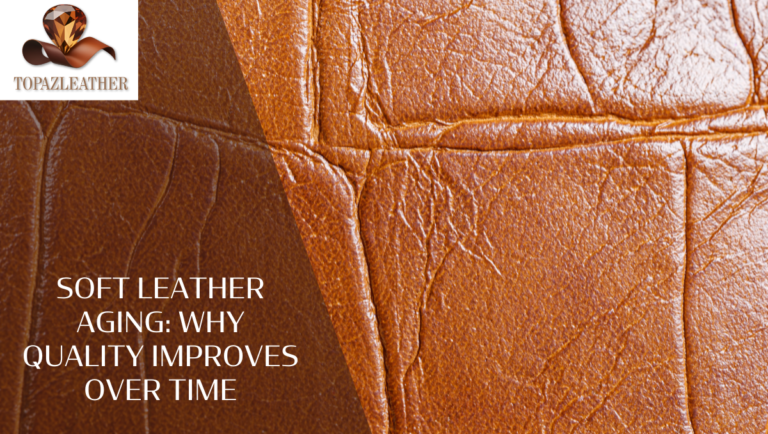
Texture evolution is a reliable indicator of fake leather. Genuine leather develops patina over time, gaining depth, warmth, and visual richness. Synthetic or fake leather fails to evolve, often cracking, peeling, or fading prematurely.
Institutions such as the University of Northampton’s Institute for Creative Leather Technologies highlight patina as a sign of long-term material integrity (https://www.northampton.ac.uk). Observing these changes allows UK buyers to differentiate authentic leather from inferior imitations and verify the value of their investment.
How Topaz Leather ensures authenticity
Topaz Leather maintains rigorous standards to prevent counterfeit misrepresentation. Every product undergoes material verification, artisan inspection, and ethical sourcing audits. Customers can access information about the hide origin, tanning process, and crafting techniques.
By combining traceable supply chains, full-grain materials, hand-stitching, and UK craftsmanship, Topaz Leather exemplifies how to identify fake leather confidently. This approach fosters trust and reinforces premium positioning for discerning UK buyers.
Investing in genuine leather products
Luxury buyers recognise that education, verification, and careful sourcing protect investment. Understanding how to identify fake leather prevents unnecessary replacement, supports ethical manufacturing, and ensures the enjoyment of products designed to last decades. Full-grain leather belts, wallets, and bags provide lasting functionality and beauty when consumers apply these principles.
Confidence in purchase extends beyond aesthetics. Knowledge of authenticity elevates the ownership experience, strengthens brand trust, and preserves the prestige associated with British handmade leather.
Call to Action
Protect your investment and enjoy genuine craftsmanship by learning to identify fake leather. Connect with Topaz Leather to explore authentic, British-made leather goods crafted to endure.
+447477227847
Hello@topazleather.com
www.topazleather.com
FAQs
You can identify fake leather by examining texture, elasticity, grain variation, smell, stitching, and hardware quality.
Touch, visual inspection, and patina development provide reliable ways to identify fake leather.
Labels from reputable brands, certifications, and supply chain documentation help buyers effectively identify fake leather.
Incredibly low prices may indicate imitation; identifying fake leather involves evaluating material, craftsmanship, and sourcing.
Topaz Leather combines full-grain hides, handcrafting, ethical sourcing, and UK craftsmanship to ensure buyers never encounter counterfeit leather.