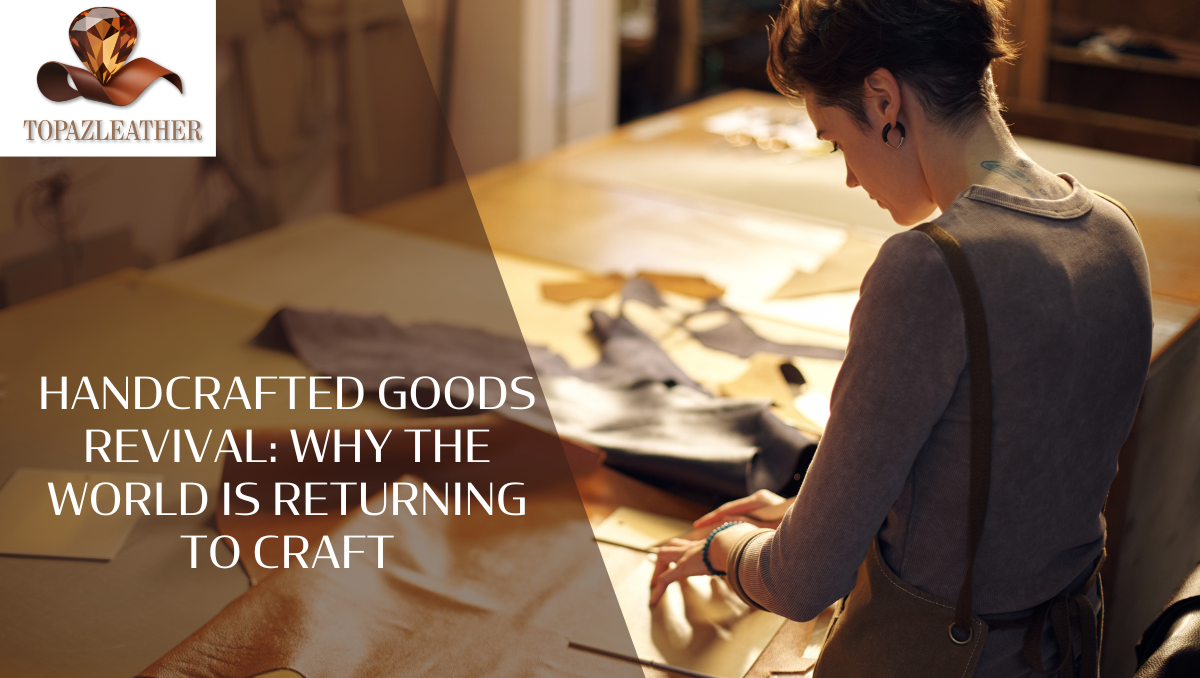
Why the World Is Returning to Handcrafted Goods
Introduction
Something powerful is happening in the global marketplace.
Consumers are quietly turning away from mass production. The handcrafted goods revival reflects a more profound shift in values. People now seek meaning, quality, and authenticity in what they buy. Within the first moments of holding a handmade item, the difference is clear. It feels personal. It feels intentional. Most importantly, it feels human. In this guide, you will learn why handcrafted goods are making a global comeback, what is driving this movement, and how craftsmanship fits into the future of commerce.
Understanding the Handcrafted Goods Revival
The handcrafted goods revival is not a trend.
It is a response.
For decades, mass production prioritised speed and scale. However, quality and individuality suffered.
As a result, consumers began searching for alternatives that reflect care and craftsmanship.
Handmade products answer this need by offering:
- Individual character
- Skilled artistry
- Ethical production values
According to Forbes, modern consumers increasingly value craftsmanship over convenience when making premium purchases.
This shift explains why handmade goods are growing across fashion, furniture, leather, and home décor.
The Emotional Value of Handmade Products
Handcrafted items tell stories.
Every stitch, cut, and polish represents human effort.
Unlike factory products, handmade goods connect emotionally with buyers. They feel purposeful rather than disposable.
Because of this emotional attachment:
- People keep handcrafted items longer
- Brand loyalty increases
- Word-of-mouth grows naturally
Psychology studies referenced by The New York Times show that emotional value strongly influences repeat purchases.
This emotional depth fuels the worldwide revival of handcrafted goods.
Quality Over Quantity: A Major Consumer Shift
Modern consumers no longer want excess.
They want excellence.
Handmade goods prioritise durability over volume. Artisans spend hours refining a single piece.
Compared to mass-produced items, handcrafted products typically offer:
|
Feature |
Handmade Goods |
Mass-Produced Goods |
|
Material Quality |
Premium |
Mixed |
|
Durability |
Long-term |
Short-term |
|
Design |
Unique |
Standardised |
|
Environmental Impact |
Lower |
Higher |
This focus on lasting value supports the revival of handcrafted goods in both luxury and everyday markets.
Sustainability Driving the Craft Movement
Sustainability is no longer optional.
It is expected.
Handcrafted production naturally aligns with eco-friendly practices. Small-batch manufacturing reduces waste and energy consumption.
According to Statista, over 65% of global consumers prefer brands that prioritise sustainability.
Handmade goods often use:
- Natural materials
- Ethical sourcing
- Low-impact processes
Because of this, sustainability plays a central role in the revival of handcrafted goods.
The Decline of Disposable Culture
Fast fashion and cheap goods created a throwaway mindset.
However, regret followed.
Consumers now understand the hidden cost of disposability. Landfills grow. Quality declines. Trust disappears.
Handcrafted products counter this by offering:
- Repairable construction
- Timeless design
- Long product life
This cultural correction strengthens the revival of handcrafted goods across generations.
Craftsmanship as a Status Symbol
Luxury is evolving.
Logos matter less than legacy.
Today, status comes from owning something rare and meaningful. Handmade items signal discernment and refined taste.
High-net-worth consumers increasingly choose:
- Artisan leather goods
- Bespoke furniture
- Hand-finished accessories
According to Forbes Luxury Insights, handcrafted items outperform branded mass luxury in perceived value.
This shift pushes craftsmanship back into the spotlight.
Technology Supporting Artisans, Not Replacing Them
Technology did not kill craftsmanship.
Instead, it amplified it.
E-commerce platforms allow artisans to reach global buyers. Social media showcases the making process transparently.
Platforms like Shopify empower small makers to scale without losing authenticity.
As a result:
- Artisans gain independence
- Buyers gain access
- Craft traditions survive
Technology now supports the revival of handcrafted goods rather than threatening them.
Cultural Heritage and Preservation
Handcrafted goods protect cultural identity.
Each region has its techniques and traditions.
From leather tooling to textile weaving, craftsmanship preserves skills passed down for generations.
UNESCO recognises traditional craftsmanship as intangible cultural heritage, highlighting its global importance.
This cultural significance adds depth and urgency to the revival of handcrafted goods.
Why Younger Consumers Love Handmade Goods
Gen Z and Millennials value transparency.
They question how products are made.
Handcrafted goods provide clear answers. The maker is visible. The process is honest.
Younger buyers prefer brands that offer:
- Ethical production
- Personal connection
- Purpose-driven values
This generational shift ensures the revival of handcrafted goods will continue in the long term.
Economic Impact of the Artisan Economy
Handcrafted goods support local economies.
Money stays within communities.
According to global artisan market data, the handmade sector employs millions worldwide.
Benefits include:
- Job creation
- Skill preservation
- Economic resilience
The artisan economy strengthens both social and financial systems.
Handmade vs Mass-Produced: A Clear Difference
While mass production focuses on speed, craftsmanship focuses on intention.
Key differences include:
- Handcrafted goods emphasise quality
- Machine goods prioritise volume.
- Handmade items age beautifully
- Factory items deteriorate quickly.
These differences explain why informed consumers choose craftsmanship.
The Role of Slow Fashion and Slow Living
Slow living promotes intentional choices.
Handcrafted goods fit perfectly within this philosophy.
Slow fashion encourages buying fewer, better items. Handmade products naturally align with this mindset.
The handcrafted goods revival is deeply connected to slow, mindful consumption.
Challenges Facing the Craft Industry
Despite growth, artisans face challenges.
These include:
- Pricing education
- Competition from imitation products
- Scaling without losing quality
However, informed consumers increasingly recognise the value behind handmade pricing.
Education continues to strengthen trust in craftsmanship.
How Brands Can Support the Handcrafted Movement
Brands play a vital role in sustaining craftsmanship.
They can:
- Highlight artisan stories
- Educate buyers
- Ensure fair compensation
When brands invest in transparency, the handcrafted goods revival accelerates.
What the Future Holds for Handcrafted Goods
The future looks promising.
Demand continues to rise.
AI, sustainability awareness, and cultural appreciation all support craftsmanship.
Rather than disappearing, handmade goods are evolving.
The handcrafted goods revival represents a permanent shift in how people value products.
Conclusion
The handcrafted goods revival is rooted in authenticity, sustainability, and emotional value.
Consumers want more than products. They want purpose.
As mass production loses trust, craftsmanship gains respect. Handmade goods deliver quality, story, and meaning.
FAQs
The handcrafted goods revival refers to the global shift toward handmade products driven by sustainability, quality, and emotional value. Consumers increasingly prefer artisan goods over mass-produced items.
Handmade products offer authenticity, durability, and ethical production. These qualities align with modern consumer values and support the return to craftsmanship.
Yes. Handcrafted goods often use eco-friendly materials and low-waste production methods, making them more sustainable than factory-made products.
Handmade goods last longer, age better, and offer emotional value. Over time, they often cost less than frequently replacing cheaper items.
Technology enables artisans to sell globally, share their process, and build direct relationships with customers without compromising authenticity.
Yes. Growing sustainability awareness, cultural appreciation, and quality demand indicate that this movement will continue expanding.