Storing leather products correctly is key to distinguishing between accessories that age with elegance and pieces that deteriorate from neglect. British luxury culture respects preservation as much as creation. Leather carries memory, texture, aroma, and identity, and owners who understand how to store leather products protect more than surface beauty. They protect craftsmanship, heritage, and performance for years of confident use.
When people buy premium leather, they invest in a material that responds to the environment, handling, and time. Heat dries fibres. Moisture encourages mould. Pressure distorts form. Light fades pigment. A refined approach to control every variable so wallets, belts, bags, and accessories mature rather than decline. At Topaz Leather, every piece reflects the discipline of handmade craftsmanship, and proper storage allows that discipline to speak long after purchase.
Why British owners
The British climate changes constantly. Humidity rises in winter. Heat spikes in summer interiors. These conditions challenge the leather structure daily. Owners who store leather products properly preserve fibre elasticity and surface finish regardless of season. The British Leather Confederation at https://www.britishleather.com explains that leather absorbs moisture from the air and releases it slowly, which means the environment directly shapes its longevity.
Luxury owners never treat leather as static. They understand movement, breathability, and balance. When people store leather products carelessly, creases set in permanently, oils evaporate, and the grain loses tension. Controlled storage supports leather performance as much as craftsmanship itself.
The science behind leather preservation
To store leather products well, owners must understand fibre behaviour. Leather contains collagen fibres that flex under pressure and return to their original shape. When leather is constantly compressed in storage, fibres lose memory. Leather Naturally, at https://www.leathernaturally.org, highlights that natural hides need airflow and balanced humidity to remain stable.
Topaz Leather uses full-grain hides that respond beautifully to care. Full-grain leather breathes. It absorbs oils from handling. It develops patina when owners allow it to rest correctly. When people care, they allow the fibres to recover, remain supple, and retain their structure over decades rather than seasons.
Temperature control and luxury storage
Every refined strategy for storing leather products begins with temperature control. Heat strips moisture from leather. Cold stiffens fibres. British homes undergo central heating cycles that can damage natural materials. Owners protect leather by choosing cool, dry spaces away from radiators, windows, and kitchens.
Which? UK-based Which? often emphasises environmental stability in home materials. Leather responds best between moderate temperatures with consistent airflow. Topaz Leather advises owners to treat storage spaces like quiet dressing rooms rather than utility cupboards. Leather performs best where humans feel comfortable, too.
Humidity and airflow balance
Humidity defines how owners store leather products across the UK. Excess moisture triggers mildew and surface bloom. Dry air cracks fibres and fades colour. The Leather Working Group at https://www.leatherworkinggroup.com explains how controlled environments support sustainable leather performance.
British buyers who store leather products intelligently keep accessories in breathable areas rather than sealed plastic containers. Leather needs circulation. Cotton dust bags protect surfaces while allowing moisture exchange. Topaz Leather designs storage with airflow in mind because leather behaves like skin, not plastic.
Light exposure and colour preservation
Light affects how well leather products retain their shape over the long term. Sunlight fades pigment and dries oils. Even artificial lighting accelerates ageing if exposure remains constant. Vogue UK, at https://www.vogue.co.uk, regularly discusses the preservation of fabrics and leather in wardrobes and display areas.
Luxury owners place leather in shaded environments where colour depth remains intact. When people are away from direct light, they protect tone, finish, and grain clarity. A wallet or bag that keeps colour richness projects authority long after purchase.
Shape retention and structural integrity.
Structure defines quality. To store leather products well, owners protect their shape by using intelligent positioning. Folding wallets tightly, stacking bags, or hanging belts incorrectly distorts lines and edges. Harrods, at https://www.harrods.com, frames luxury leather as architectural rather than disposable.
Topaz Leather crafts pieces with defined geometry—owners who, with respect to geometry, preserve the silhouette and comfort. Rest allows leather to relax and rebound. Pressure without relief weakens memory. Storage should support leather; never challenge it.
Storing leather wallets with refinement
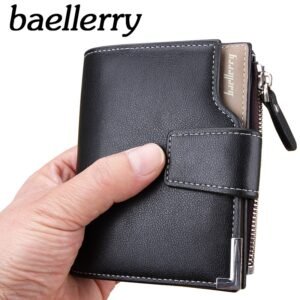
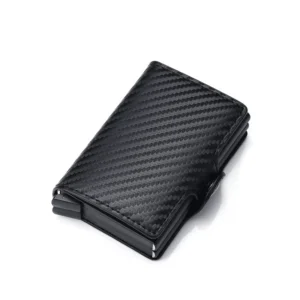
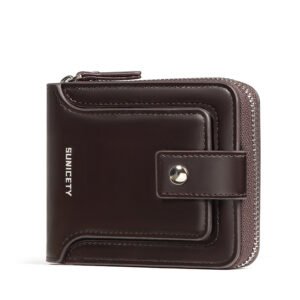
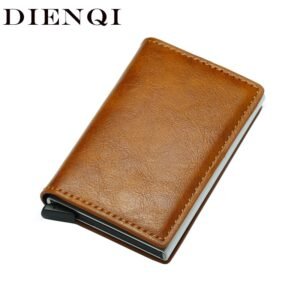
Wallet owners often forget how vital correct storage becomes. To store leather products like wallets properly, owners remove any unnecessary cards and cash before storing them. A slim wallet regains shape when fibres relax overnight.
Selfridges at https://www.selfridges.com highlights luxury accessories that improve with care, not neglect. British professionals who store leather products deliberately allow them to refresh and maintain their precision. A wallet that’s rested performs better tomorrow than one that’s been forced into drawers.
Caring for leather bags and travel pieces
When owners store leather products, such as bags, they protect both the exterior grain and the interior lining. Dust enters fibres quietly. Moisture settles unnoticed. British travellers demand longevity from leather luggage, and correct storage protects investment.
The British Fashion Council at https://www.britishfashioncouncil.co.uk supports craftsmanship standards across UK fashion. Owners who store leather products in breathable covers with natural padding maintain shape and finish without artificial strain. Topaz Leather encourages interior filling with clean cotton to gently preserve the profile.
Belt storage and edge protection
Belts suffer silently when owners neglect to store leather products properly. Hanging incorrectly bends fibres permanently. Rolling too tightly fractures edges. British craftsmanship respects natural curvature rather than forced compression.
GQ UK at https://www.gq-magazine.co.uk frequently promotes careful accessory care as part of modern grooming culture. Owners who like belts loosely supported have protected the stitching, finish, and usability for decades.
Seasonal storage strategies
British wardrobes change with the seasons. During rotation periods, owners lightly clean surfaces, allow full drying, and then place pieces in breathable covers. Both winter humidity and summer heat challenge leather stability.
DEFRA, at https://www.gov.uk/government/organisations/department-for-environment-food-rural-affairs, supports responsible handling of materials in UK households. Owners who store leather products with seasonal awareness avoid mould, odour, and pigment distortion across climate shifts.
Cleaning before storage
Every effective way to store leather products begins with preparation. Dirt traps moisture. Oils feed mould growth. Gentle wiping with a dry cloth removes surface contaminants before rest.
Leather Care specialists across the UK stress that storage equals preservation only when surfaces remain clean. Topaz Leather advises owners never to store leather when it is damp or exposed to fragrance residue. Clean leather rests better than scented leather.
Avoiding plastic and chemical traps
Plastic suffocates leather. To store leather products correctly, owners avoid sealed containers that trap humidity. Cotton, linen, and natural fibres allow air to breathe.
The Furniture Industry Research Association at https://www.fira.co.uk discusses the importance of material airflow in home environments. Leather behaves similarly to upholstery and benefits from breathable surroundings. Owners who store leather products naturally protect fibres rather than enclosing them artificially.
Long-term storage confidence
Collectors and travellers often ask how long-term. The answer lives in consistency. Stable temperature. Balanced humidity. Minimal light. Gentle positioning. Occasional airing.
Topaz Leather designs accessories to accompany life, not hide from it. Owners who store leather products intelligently return to pieces that feel alive rather than brittle. Luxury survives through rhythm, not neglect.
Emotional value and heritage protection
Storing leather products properly also protects the emotional investment. Leather absorbs memory through touch and presence. A well-stored accessory reconnects instantly when its owner returns.
British heritage values continuity. Accessories passed down carry stories. Storage supports that tradition. Topaz Leather encourages owners to treat leather as an heirloom material rather than a temporary fashion.
Why Topaz Leather pieces reward good storage
Topaz Leather crafts every piece for longevity, patina, and structure. Owners who store leather products from Topaz correctly unlock decades of performance. Handmade edges, natural grain, and refined finishes respond beautifully to disciplined care.
British customers appreciate consistency. When owners store leather products responsibly, they experience how luxury evolves rather than expires.
Call to Action
Protect your investment and elevate your everyday experience by storing leather products to British craftsmanship standards. Discover premium handmade leather accessories and expert care guidance from Topaz Leather today.
+447477227847
Hello@topazleather.com
www.topazleather.com
FAQs
You should store leather products in cool, dry, breathable spaces away from heat, light, and moisture.
You should not store leather products in plastic, as trapped moisture can damage the fibres and finish.
You should always clean and dry surfaces before you store leather products to prevent mould and staining.
You should store leather products in shaded, ventilated wardrobes with stable temperature and airflow.
Yes, when you store leather products correctly, you preserve structure, colour, and patina for decades.