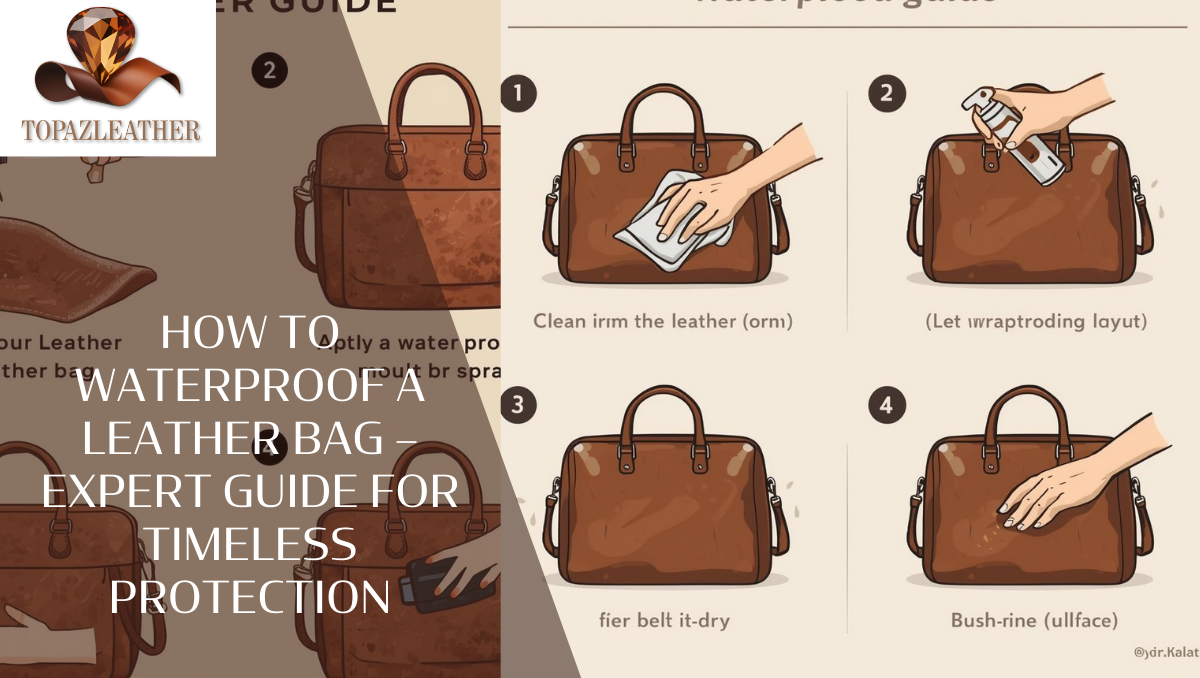
Leather stands among the most admired materials for bags because of its strength, character, and natural beauty. Understanding how to waterproof a leather bag empowers you to protect this investment from unpredictable UK weather while preserving texture and heritage quality. This authoritative guide explores luxury waterproofing techniques, material considerations, and everyday care principles that keep premium leather supple, resilient, and beautiful through rain, mist, and daily use.
The Nature of Leather and Why Waterproofing Matters
Leather naturally resists light moisture better than many fabrics, yet it remains a porous material that absorbs water if not properly prepared. Exposure to damp conditions can lead to staining, darkening, and, over time, fibre stiffening, which can increase the risk of cracking and structural weakness. The natural fibres within full‑grain leather, prized for handmade bags, benefit from moisture-repelling treatments that complement regular conditioning routines. Experts recommend cleaning and nourishing leather before any waterproofing application so treatments bond more effectively with the material’s surface. This preparation mirrors the leather care approach advised by premium makers, who emphasise conditioning before protective sprays to maintain elasticity and grain integrity. (Which? guide on leather care)
Understanding how to waterproof a leather bag begins by appreciating leather’s natural tension between strength and vulnerability. When treated thoughtfully, leather can develop a water‑resistant surface that handles light showers and accidental spills with confidence. Many tannery processes also add surface finishes that enhance water resistance, yet seasoned travellers and daily commuters prefer additional protective layers for peace of mind. High‑quality waterproofing does not make leather completely impervious to water, but it significantly lowers how quickly moisture penetrates the surface and disrupts the flexible grain. (BBC advice on leather care)
Preparing Leather for Protection: Clean and Condition with Purpose
Before you address how to waterproof a leather bag, begin with surface preparation. Dirt, oils, and previous products can block waterproofing agents from bonding evenly with the leather surface. Start by wiping your bag with a clean, soft cloth to remove dust and light debris that accumulate through daily carry. This first step mirrors premium leather care standards that prioritise cleanliness to maintain clarity of grain and prevent contaminants from embedding more deeply within the fibres.
Next, condition your leather with a suitable nurturing cream or balm designed for high‑end leather. Conditioning replenishes natural oils lost through exposure to air, heat, and daily movement. Hand‑stitched leather bags made from full‑grain hides require regular nourishment to remain supple and strong. A conditioned surface also accepts waterproofing more uniformly, preventing patchy coverage that could undermine protection. Many artisans and care guides recommend gentle, circular application techniques that work products into handles, seams, and high‑wear zones before adding any waterproofing treatment. (Ideal Home guide on leather bags)
Techniques for Waterproofing Leather
Understanding how to waterproof a leather bag involves selecting the right protective bag for your bag’s leather type and use. A range of products exists, from sprays that create a nearly invisible barrier to wax‑ and cream‑based treatments that form a more substantial moisture shield. Those aiming for discreet water resistance without colour change often choose specialist waterproofing sprays designed for premium leather. These products repel surface moisture and help maintain natural texture. (House Beautiful leather care tips)
Wax‑ and cream‑based treatments represent a traditional waterproofing method rooted in long‑established leathercraft. These formulations contain natural waxes and oils that not only repel water but also condition the material from within. Applying a thin layer of beeswax or a high‑quality leather cream creates a robust defence against moisture while preserving flexibility. These thicker treatments may slightly alter colour, especially on lighter hides, so testing in an inconspicuous area first is essential to ensure aesthetic. (The Guardian’s advice on leather care)
Choose products appropriate for your leather type. Smooth, aniline, and full‑grain leathers typically handle protective sprays and wax creams well, while delicate suedes and nubucks demand specialised care and sprays formulated for their texture. Avoid universal products that lack clear guidance on leather suitability, as they may dry out fibres or affect the finish. Natural oils such as neatsfoot oil may repel water deeply. Still, they can darken leather significantly and attract dirt if overused, so experienced leatherworkers reserve them for sturdy, dark hides rather than delicate luxury bags. (BBC Good Homes leather tips)
Step‑by-Step Waterproofing Application
When you waterproof a leather bag, follow a careful method that respects its craftsmanship. Begin by applying your chosen waterproofing agent in thin, even layers, paying careful attention to seams, edges, and handles where moisture tends to penetrate first. Ensure complete coverage without saturating the leather, as excessive product can clog pores and distort texture. Sprays typically require sweeping motions from a distance, and wax creams should be worked in with soft cloths until you see a slight sheen that signals surface protection. (Savills lifestyle guide on leather)
After application, allow your leather bag to dry naturally at room temperature. Avoid direct sunlight and artificial heat sources such as radiators or hairdryers, which can strip natural oils and lead to stiffness or shrinking. Traditional leather wisdom and climate‑aware care both stress that gradual, even drying preserves coherence of grain, structure, and colour. Once dry, lightly buff the surface to remove any residual product that would otherwise leathern’s store the leather’s supple feel. (Rightmove leather care advice)
Ongoing Care After Waterproofing
Waterproofing does not eliminate the need for attentive leather care. Regular conditioning remains essential because moisture barriers can diminish over time as the leather flexes and breathes with use. Many specialists recommend re‑applying protective treatments every few months, particularly if you expose your leather to rain, snow, or frequent outdoor use. Conditioning before waterproofing also helps maintain a rich patina that distinguishes premium handmade leather. (RIBA leather maintenance advice)
Even with protection, treat water exposure thoughtfully. If your waterproofed bag gets wet despite precautions, gently blot excess moisture with a soft cloth, reshape as needed, and allow it to dry naturally. Never use artificial heat to rush drying, as this practice undermines leather suppleness and invites cracking. Once dry, recondition the leather to replenish any oils lost during moisture exposure. (Which? leather maintenance tips)
Sustainability, Material Integrity, and Ethical Practices
Premium buyers care deeply about material sourcing and responsible production. Understanding how to waterproof a leather bag involves selecting products that respect both the quality of the leather and ethical values. Opt for waterproofing treatments free from harsh chemicals that can degrade leather or release harmful compounds into the environment. Conscious consumption in the UK leather market mirrors broader sustainable design principles that prioritise long‑lasting products over disposables and emphasise transparent supply chains from tannery to finish. (Gov.uk guidance on chemicals in consumer goods)
Leather itself symbolises heritage craftsmanship when treated properly. By applying waterproofing thoughtfully, you support the long life of your handcrafted bag, preserving the integrity and story of the material. A well‑cared‑for leather bag becomes a companion through seasons and journeys, just as bespoke saddlery and traditional leatherwork have endured through centuries. (House Beautiful leather care)
Tailoring Protection to Your Lifestyle
The right approach to waterproofing a leather bag depends on how you use your bag and the environments you encounter. Urban travellers facing unpredictable British weather may prefer robust wax‑based barriers for regular commuting. In contrast, those seeking subtle resistance for occasional outings might lean toward invisible sprays that preserve original finish and feel. Thoughtful care routines, ongoing conditioning, and periodic protection help ensure your bag continues to express the luxury and craftsmanship you value.
CALL TO ACTION
Protect and elevate your handcrafted leather bags with our premium care guidance and tailored waterproofing support. Topaz Leather’s artisan team for personalised advice on safeguarding your leather investment, and explore our collections designed to endure both style and weather with confidence.
+447477227847
Hello@topazleather.com
www.topazleather.com
FAQs
Select a spray or wax designed for your leather type, testing first to ensure it preserves colour and texture.
Properly applied waterproofing with quality products nourishes and protects without harming fibres if you allow natural drying and avoid harsh chemicals.
Reapply protection every few months or after heavy exposure to moisture to maintain resilience and appearance.
Conditioning before waterproofing ensures that oils nourish the material, enhancing flexibility and the material’s acceptance of protective treatments.
Wax‑based or oil‑rich treatments may slightly deepen colour, so always test in an inconspicuous area first before applying to the full area.