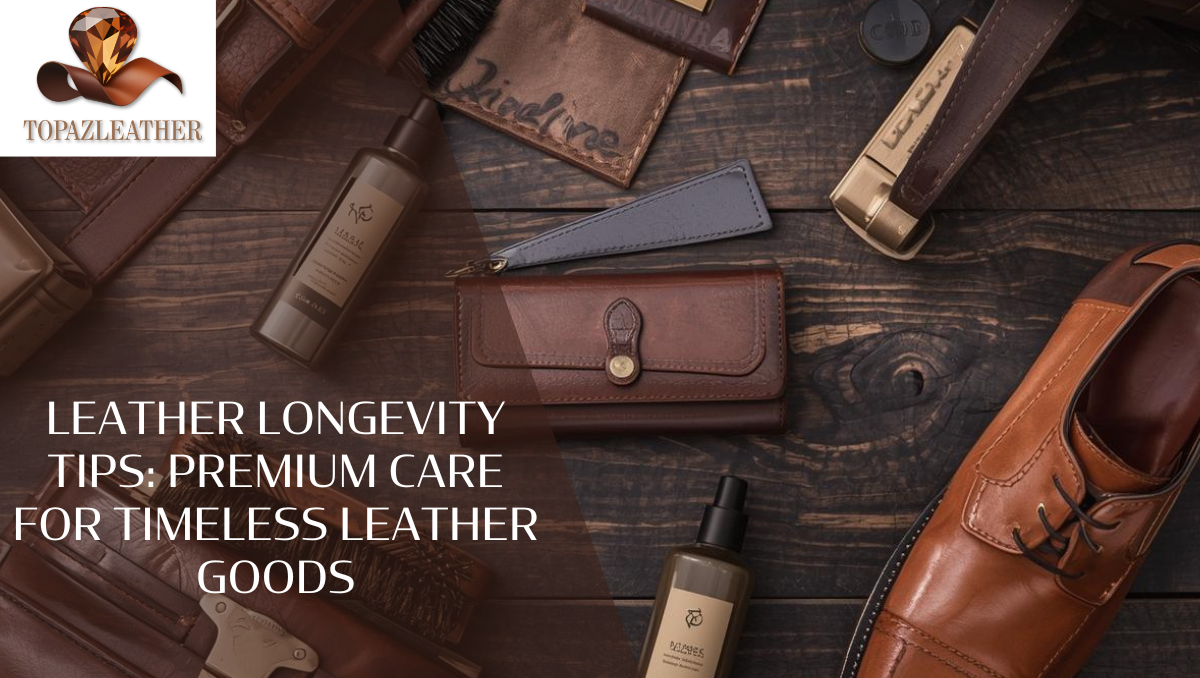
Leather stands apart from other materials because it carries warmth, strength, and the promise of age‑worthy beauty, but these qualities flourish only with the right care and attention. From the moment you bring a premium leather belt, bag, or wallet into your home, thoughtful maintenance helps it develop character rather than deteriorate. In this guide, we explore essential leather-care tips to keep your handmade leather accessories radiant through daily use and years of wear, while honouring the heritage craftsmanship and quality that define every premium piece.
Understand Leather as a Natural Material
Natural leather responds to its environment much like human skin, gaining texture and patina over time, yet needing moisture and protection to stay supple and strong. Expert guides highlight that maintaining your leather products in their best condition means recognising their natural qualities and treating them gently and intentionally: http://www.renovation-du-cuir.fr. Leather requires nourishment and respect, and these leather longevity tips help you align everyday habits with long‑term care so your investment feels cherished rather than neglected.
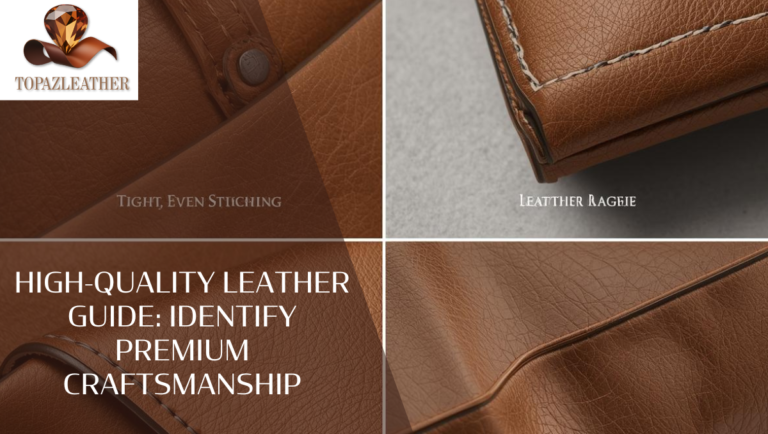
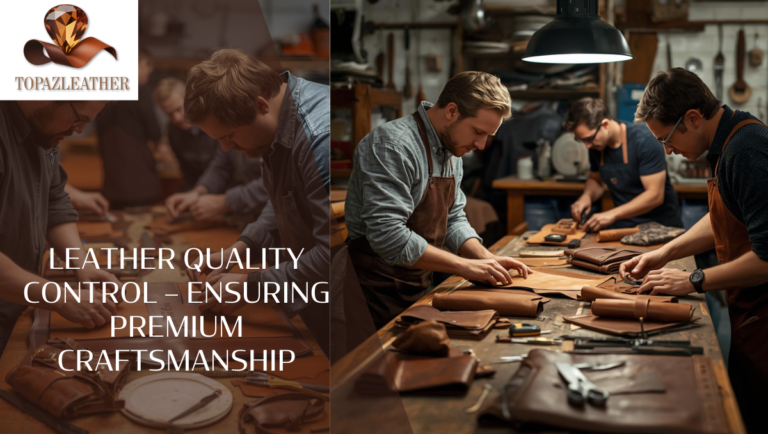
When you first receive a premium leather accessory, you immediately feel its tactile richness and smell its distinctive aroma — these are signs of high-quality hides and artisanal craftsmanship. Skilled craftspeople select hides for their intrinsic grain and strength, and they handcraft seams and edges to ensure durability. To honour this level of craftsmanship, your care routine must protect those natural fibres, guarding against drying, cracking, staining, or fading that can result from inferior upkeep.
Clean with a Soft Touch
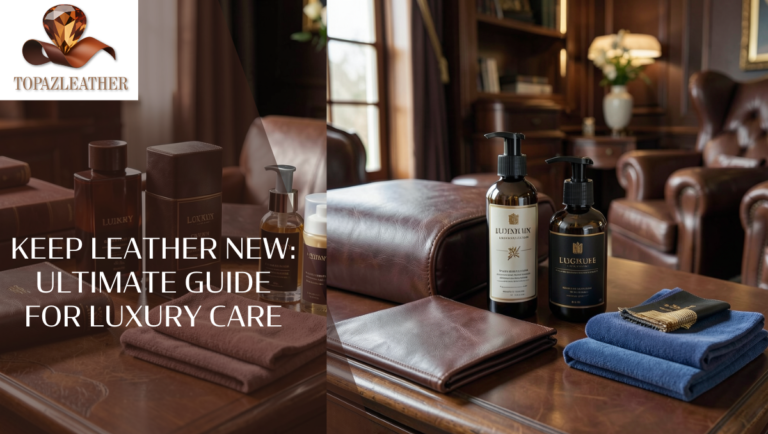
Cleaning remains the foundation of leather longevity tips. Leather attracts dust, oils, and daily wear debris, and leaving these to accumulate can dull the surface and weaken fibres. Use a soft, dry cloth to sweep away dust before and after every use. When deeper cleaning is necessary, choose products formulated specifically for leather and apply them gently in circular motions to lift grime without stressing the material. http://www.renovation-du-cuir.fr/en -gb/informations/leather-care_34.html
Avoid household cleaners, bleach, and other harsh chemicals at all costs, as they can strip natural oils and alter colour integrity (http://www.renovation-du-cuir.fr/en-gb/informations/leather-care_34.html). Even a mildly damp cloth should not be used to soak the leather; excess water can penetrate the fibres and cause warping or staining. Treat your leather accessories as you would fine silk — with respect and careful, deliberate motion that preserves their refined surface.
Nourish the Leather to Prevent Drying
Leather depends on natural oils to stay soft and flexible, and without regular nourishment, it will dry, crack, and lose its tactile elegance. Conditioning is one of the most effective leather longevity tips, replenishing the essential oils that daily wear gradually depletes. Quality leather conditioners strengthen the hide and maintain a supple texture, ensuring that belts, bags, and wallets resist cracking and retain their aesthetic appeal. http://www.venito.com/blogs/blog/caring -for-leather-products-tips-for-long-lasting-use
Apply conditioner sparingly with a soft cloth, massaging it into the leather in gentle circular motions. Allow the conditioner to fully absorb before buffing with a clean cloth to remove any excess and restore sheen. Experienced leatherkeepers recommend conditioning every few months, adjusting the frequency based on climate and usage to maintain a balance between suppleness and structural integrity. http://www.venito.com/blogs/blog/caring-for-leather-products-tips-for-long-lasting-use
Choosing the right conditioner matters because different hides respond uniquely. Aniline and vegetable‑tanned leathers benefit from rich, natural balms that support their open, breathable surfaces, while finished leathers may perform better with lighter creams that preserve colour uniformity.
Protect from Moisture and Extreme Conditions
Moisture presents one of the greatest threats to leather’s vitality. Although leather remains durable, excessive exposure to water or humidity can cause warping, staining, or even mould growth, undermining the very fibres that confer strength. To preserve your pieces, avoid wearing them in heavy rain or storing them in humid spaces. If your leather gets wet, gently pat away surface moisture and let it air-dry naturally in a cool, ventilated environment. http://www.renovation -du-cuir.fr/en-gb/informations/leather-care_34.html
Similarly, keep leather away from direct heat sources and prolonged sunlight, which draw out moisture and cause colour fading and brittleness http://www.renovation-du-cuir.fr/en-gb/informations/leathe r-care_34.html. Heat accelerates dehydration in leather, eroding its elastic fibres and leaving it prone to cracking. Instead, choose consistent, moderate temperatures for storage and everyday use, allowing leather to breathe with balanced environmental support.
Many seasoned leatherkeepers also recommend using water‑repellent sprays formulated for leather when accessories are frequently exposed to damp conditions. These repellents form a protective shield that helps fend off moisture without disrupting breathability, supporting both appearance and long‑term resilience.
Store with Care and Respect for Shape
Proper storage is another cornerstone of leather longevity. When not in use, leather should rest in spaces that balance airflow with protection. A cool, dry place with stable temperatures and ventilation preserves fibres and prevents the growth of mould or mildew that thrives in stagnant, moist environments. http://www.venito.com/blogs/blog/caring-for-leather-products-tips-for-long-lasting-use Wrap delicate accessories in breathable dust bags to protect them from dust and light abrasion while allowing air to circulate.
Structures such as belts and bags benefit from interior support to maintain form. Filling bags with acid‑free tissue paper preserves their natural silhouette and prevents creasing, while hanging belts or jackets on wide, shaped hangers prevents distortion at pressure points. Avoid plastic covers that trap moisture against the hide, as this can accelerate deterioration rather than prevent it: http://www.renovation -du-cuir.fr/en-gb/informations/leather-care_34.html.
Careful storage also includes keeping leather away from artificial lighting that emits heat and UV rays. Direct exposure alters both colour and texture, diminishing the premium quality of handmade accessories. Treat leather pieces with the same deliberate consideration you give to fine-tailored garments, protecting them as treasured wardrobe investments.
Address Wear Promptly and Thoughtfully
Even with impeccable care, occasional blemishes or wear will arise. Part of effective leather longevity tips involves recognising and addressing these early. Minor scuffs can often respond well to a light application of conditioner or specialised cleaner, restoring surface integrity without invasive action. Avoid harsh scrubbing that tears at fibres or discolours leather.
When you encounter damage beyond simple surface wear — deep scratches, small tears, or hardware issues — seek professional leather repair services. Leather expertshaves the tools and experience to address structural issues without compromising quality, preserving the longevity of your cherished pieces. Addressing issues promptly prevents small problems from escalating into irreversible damage.
Balance Use with Rest
Rotation supports leather’s health by giving items time to regain moisture and elasticity between uses. Leather breathes as it rests, allowing any absorbed moisture or oils from wear to equalise throughout the material. Frequent rotation of belts, bags, and shoes not only spreads wear evenly but also extends overall lifespan.
High‑quality leather accessories stand up to daily use, but they thrive best when given intervals to recover. This balanced approach keeps your collection feeling fresh and performing beautifully across seasons and occasions.
Match Care to Leather Type
Different leathers demand specific treatments. Smooth, polished leathers withstand gentle conditioning and buffing, while suede and nubuck require specialised brushes and water‑repellent sprays rather than creams or oils that saturate surfaces. Understanding the type of hide informs the best application practices for cleaning, conditioning, and protection. Expert leather guides emphasise using appropriate tools and products for each leather type to avoid damage and maintain optimal condition.
For example, suede accessories benefit from a dedicated suede brush that lifts fibres and removes surface dirt without flattening the texture, while smooth leather benefits from soft cloth cleaning and measured conditioning. This tailored care enhances not only durability but also the sensory experience of each leather style.
Investing in Quality Leather and Care Tools
Choosing premium leather goods crafted wto the higheststandards sets the stage for long life, but pairing them with quality care tools amplifies longevity. Select cleaners, conditioners, and protective sprays designed specifically for natural hide rather than general household products, as the wrong chemicals undermine natural oils and weaken fibres.
The UK consumer landscape supports a range of reputable leather care products that complement artisan accessories. When selecting these products, trust brands that uphold craftsmanship ethics and strong performance standards, ensuring your investment in leather continues to pay dividends in appearance and durability.
Develop a Ritual of Maintenance
Transforming leather longevity tips into routine rituals enriches both your belongings and your appreciation of them. Regular care becomes part of the narrative you share with your accessories, each session strengthening the material and deepening your connection to its story, just as you care for fine tailoring and treasured garments. Leather rewards attentive maintenance with enduring beauty, character, and structural resilience.
Over time, well‑kept leather items develop a refined patina that reflects life’s moments — a testament to both the material’s innate quality and your mindful approach to its care. This patina becomes a hallmark of heritage and personal narrative, strengthening the luxurious appeal of handmade pieces and affirming their role as lasting companions in everyday life.
Call to Action
Preserve your artisan leather pieces with leather longevity tips that honour craftsmanship, material quality, and enduring style. Explore Topaz Leather’s curated care kits and expert guidance to protect and enhance your premium leather investments today:
+447477227847
Hello@topazleather.com
www.topazleather.com
FAQs
Clean your leather regularly with a soft, dry cloth to remove dust, and use a damp cloth with a leather‑safe cleaner when deeper cleaning becomes necessary.
Use a high‑quality, leather‑specific conditioner applied sparingly and allowed to absorb to maintain suppleness and prevent drying.
Yes, water can warp and stain leather, so avoid prolonged exposure and let it air dry naturally if it gets wet.
Store leather in a cool, dry place away from sunlight, with breathable covers and interior support to protect shape and surface.
Regular use does not harm leather when balanced with rest and proper care, which helps maintain flexibility and appearance.