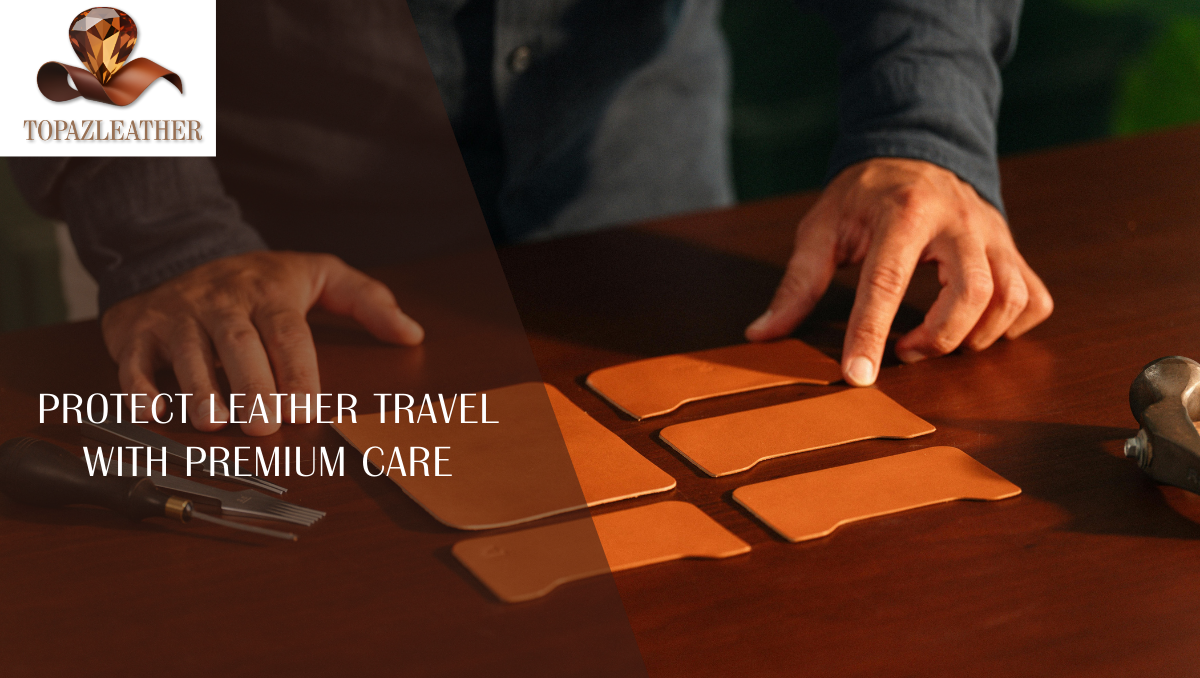
The Art of How to Protect Leather Travel
Before every journey, you should prepare your leather accessories to ensure longevity and performance. To Protect Leather Travel, you must understand how premium hides react to climate, handling, moisture, and movement. Leather carries history, texture, and strength, yet it responds to environment and use with extraordinary sensitivity. At Topaz Leather, we design with heritage, balancing material integrity with everyday resilience. When UK travellers approach journeys with intention, they maintain the richness and suppleness of their belts, wallets, bags, and straps rather than watching surfaces dull or fibres tighten.
Understanding Leather Behaviour on the Move
Leather begins as a living material, responding to air, humidity, heat, and pressure in subtle but powerful ways. To Protect Leather Travel, you must acknowledge how climate change affects fibres. British weather varies dramatically from winter chill to summer humidity, and destinations abroad may introduce heat, rainfall, arid air, or ocean spray. The Leather Working Group at https://www.leatherworkinggroup.com highlights responsible sourcing and processing that prioritise hide strength, yet travel care demands daily discipline beyond production standards. When leather dries under heat, it stiffens and may crack. When it absorbs moisture without airflow, it can develop odours or lose shape. When it rubs against abrasive luggage interiors, it wears prematurely. Your travel routine must respect these behaviours to maintain suppleness, balance tension, and protect surface quality.
Leather for Travel Conditions
Before your journey, inspect each leather accessory with a craftsman’s eye. Dust, debris, and residual body oils accumulate quickly, affecting performance on the move. To Protect Leather Travel, cleanse gently with a soft, dry cloth, paying attention to grain texture and seams. Avoid harsh chemicals, as consumer authorities like Which? At https://www.which.co.uk, they regularly advise against household cleaners for delicate materials. Preparation includes conditioning. Leather thrives on nourishment that restores the natural oils lost through daily use. The Crafts Council at https://www.craftscouncil.org.uk promotes respect for handwork and material behaviour, and your travel-ready leather benefits when you apply balanced conditioning before departure. This process strengthens fibres, enhances flexibility, and builds a defence against friction and temperature changes.
Storing Leather During Transit
Travel introduces constant motion, and storage becomes critical. To Protect Leather Travel, you must control how accessories rest within luggage and carry-ons. Avoid jamming belts, wallets, or bags into tight spaces where edges press painfully against backpacks, suitcases, or coat pockets. This compression distorts the shape and creases the surface. British consumer standards at https://www.gov.uk recommend careful storage of luxury goods during transit to maintain quality and prevent unnecessary wear. Use soft fabric bags or breathable covers that allow air circulation and prevent condensation. When packing multiple leather items together, separate them from heavy fabrics and hardware that may scratch or dent surfaces. Thoughtful placement preserves structure, texture, and colour while you travel.
Climate Awareness and Leather Protection
Climate influences leather more than most travellers appreciate. In hot environments, leather dries rapidly, losing flexibility and sheen. In rainy climates, moisture penetrates fibres, inviting stiffness or odour. To Protect Leather Travel, you must regulate exposure. UK travellers often move from temperate conditions to extreme environments within hours. Organisations such as the UK Met Office (https://www.metoffice.gov.uk) provide reliable forecasts, allowing you to anticipate shifts and plan accordingly. When expecting wet conditions, place accessories in secondary protective pouches that block water without suffocating the material. When entering arid regions, increase conditioning frequency to maintain suppleness.
Daily Care Rituals on the Road
Travel demands active care. Each day, revisit your accessories and inspect grain, edges, and stitching. Gently wipe surfaces with a soft cloth to remove dust and residue. This discipline forms the heart of how to Protect Leather Travel while preserving the luxury aesthetic you expect. Avoid over-conditioning mid-trip. Excessive oil can darken surfaces or clog grain pores. Instead, maintain balance and observe how leather responds to the environment and movement. At Topaz Leather, we design with fibre behaviour in mind so that gentle, consistent care maintains comfort, texture, and presence.
Leather from Moisture and Humidity
Humid climates introduce moisture challenges. Moisture alters collagen fibres, causing a waxy buildup or disruption of surface sheen. To Protect Leather Travel, adapt to moisture presence with controlled airflow rather than sealing leather away in plastic. The Leather Working Group at https://www.leatherworkinggroup.com emphasises responsible handling that preserves natural permeability, allowing leather to breathe and avoid trapped dampness. When dampness occurs, dry accessories naturally at ambient temperature. Avoid heat sources that force rapid drying, as this stresses fibres and weakens warp direction. Your travel routine should respect material science and environmental adaptation to maintain softness and flexibility.
Handling Physical Contact and Abrasion
Movement introduces friction. When leather rubs against rough surfaces or metal hardware, it experiences abrasion that dulls the finish and weakens edges. To Protect Leather Travel, position accessories where they encounter minimal friction. Inside luggage, wrap delicate items in soft fabric layers. In daily use, place wallets and belts in secure compartments rather than in open pockets, where keys or coins can introduce micro-abrasion. Institutions like the British Standards Institution (https://www.bsigroup.com) recognise that material contact affects long-term performance. By controlling physical interactions, you protect grain integrity, colour richness, and structural balance throughout the journey.
Responding to Accidental Stains and Spots
Travellers encounter accidental stains, from coffee drips to makeup smudges. Immediate attention helps prevent permanent marks. To Protect Leather Travel, address spots with a gentle, circular motion using a dry or slightly damp cloth. Avoid aggressive rubbing, which damages surface texture. Leather Naturally (https://www.leathernaturally.org) emphasises that natural cleaning methods preserve the finish and fibre strength while avoiding the stripping of essential oils.
If a stain resists gentle cleaning, seek professional leather-cleaning services. Many premium luggage and leather care specialists in the UK maintain standards that support delicate materials. Early action prevents stains from embedding in the grain and altering its visual elegance.
Maintaining Shape and Form on the Go
Leather responds to tension and compression. Travel often squeezes accessories into compact spaces, which alters form. To Protect Leather Travel Items, avoid folding belts into sharp curves or overstuffing wallets. Preserve natural contours by storing items in soft sleeves or by gently rolling them to retain shape. Country Life, at https://www.countrylife.co.uk, celebrates heritage materials that retain their dignity through care. Your travel habits influence long-term performance, and disciplined storage ensures each piece emerges from journeys without unintended deformation.
Hardware and Finishing Details
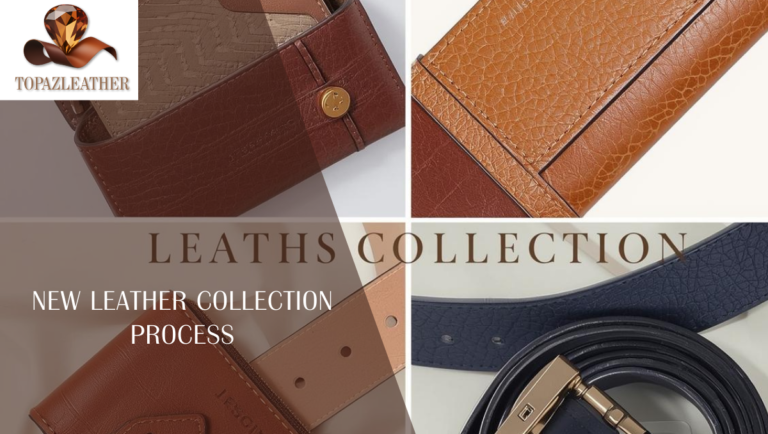
Metal hardware complements leather aesthetics, yet it also faces wear during travel. Scratches, abrasion, and moisture contact affect colour and shine. To Protect Leather Travel, buffer metal bits with soft fabric layers during transit. Avoid placing leather near complex objects that knock or rub against buckle surfaces or clasps. High-end hardware often undergoes specialised finishing to resist corrosion and wear. Topaz Leather sources premium metal components that complement full-grain hides, aligning craftsmanship with durability. By respecting these details on the move, you protect both the leather and the hardware, which together elevate the perception of luxury.
Packing Leather with Purpose
Travel preparation goes beyond clothes and toiletries. To Protect Leather Travel, pack with intentionality. Prioritise leather items in locations where they avoid compression, humidity pockets, or abrasive contact. Use breathable covers that allow air to circulate and prevent the trapping of unwanted moisture. Which? at https://www.which.co.uk advises thoughtful packing of luxury items to maintain quality and avoid mishaps. Leather rewards such preparation with resilience and visual presence, making your journey both elegant and comfortable.
Psychological Confidence Through Good Care
Luxury ownership includes emotional reassurance. When you take time to Protect Leather Travel, you foster confidence and peace of mind. You carry accessories that feel prepared, polished, and responsive to daily movement, which reinforces your presentation and personal style. Studies referenced by the British Psychological Society at https://www.bps.org.uk underscore that organisation and care routines strengthen emotional confidence. When your leather performs reliably, you focus on your journey rather than worry about appearance.
The Topaz Leather Promise on Travel Protection
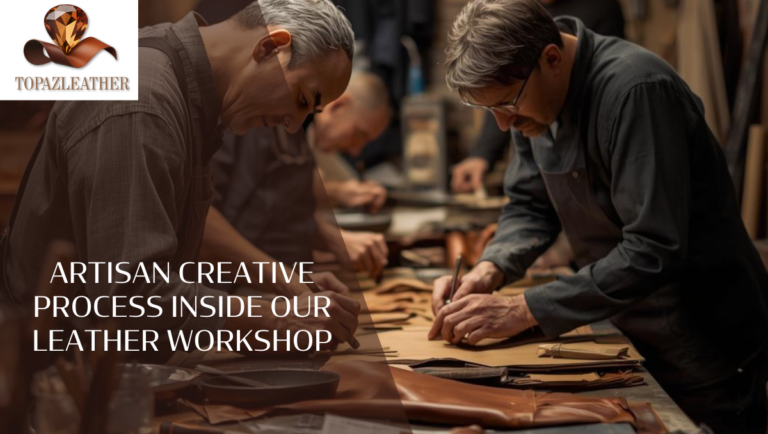
Topaz Leather crafts products to endure life’s movements, including travel. We design accessories that respond harmoniously to care, environment, and human interaction. Understanding how to Protect Leather Travel aligns material science with disciplined routines, preserving eastern grain, supple texture, and refined presence across miles. Our artisans select hides, finish surfaces, and construct accessories that support your lifestyle without compromise. Your leather should accompany you with confidence, resilience, and lasting elegance.
Call to Action
Elevate your travel experience by mastering how to Protect Leather Travel with premium care and disciplined routines. Discover handcrafted leather that rewards attention with timeless beauty and performance.
+447477227847
Hello@topazleather.com
www.topazleather.com
FAQs
You should condition leather before and after trips to maintain flexibility and prevent dryness.
Yes, excessive moisture can weaken fibres, so dry naturally and avoid direct heat sources.
Yes, prolonged exposure to sunlight can dry and fade leather, so protect accessories from direct UV rays.
Address stains gently with a soft cloth and avoid strong cleaners that strip natural oils.
Many specialist leather care services in London, Manchester, and other UK cities offer professional cleaning and restoration for premium accessories.
Lorem ipsum dolor sit amet, consectetur adipiscing elit. Ut elit tellus, luctus nec ullamcorper mattis, pulvinar dapibus leo.