Heritage Craftsmanship Meets Digital Innovation
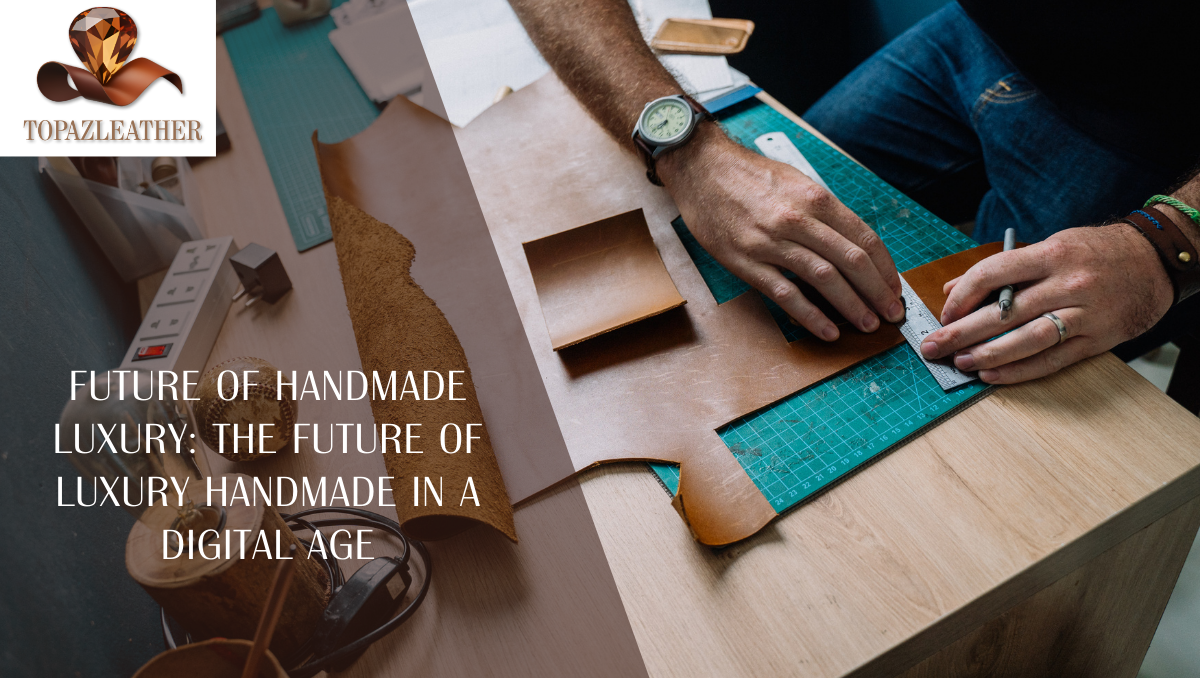
The future of Handmade luxury begins at the intersection of heritage craftsmanship and digital innovation, redefining how discerning UK consumers value premium leather goods in an age dominated by convenience and technology. Every stitch, every cut, and every meticulously finished edge of a handmade leather product carries the certainties of craft traditions and the aspirations of the digital future. The enduring legacy of British leather artisanship continues to evolve in the UK market, where top-tier leather houses such as Barrow Hepburn & Gale have upheld centuries-old skills since 1760 and remain synonymous with heritage excellence in luxury leather goods used by state officials and collectors alike. (en.wikipedia.org)
UK Leather Heritage and Industry Authority
The evolution of luxury leather craftsmanship in the UK traces its roots back to iconic institutions such as the Worshipful Company of Cordwainers, a livery company in the City of London that has represented fine leather craft since the 13th century and continues to influence modern guild practices in leather production and design. (en.wikipedia.org) The prestige associated with these historic entities feeds directly into how luxury UK consumers perceive value today — not simply as aesthetics, but as a living continuum of heritage skill and quality that stands apart from mass-market manufacturing. Learn more about UK leather heritage and traditions.
Market Trends and Consumer Demand in the UK
The growing demand for premium handmade leather in the UK also reflects broader market trends. Analysts report that the UK leather goods segment is experiencing increased demand for quality, sustainability, and customisation, driven by consumers who reject disposable fashion in favour of investment pieces that tell a story through every thread and surface. (vocal.media) This shift underlines not just a preference for beautiful products, but for products that align with a conscious lifestyle and a refined sense of value.
Quality and Sustainability at the Core
At its core, the future of Handmade luxury is not merely about the end product; it is about the meticulous journey behind it. Quality leather begins with responsible raw materials, such as full-grain and top-grain hides sourced from reputable tanneries that adhere to industry standards like the Leather Working Group certification and strict environmental criteria. Organisations like Leather UK advocate sustainable practices and consumer education, reinforcing leather’s identity as a beautiful, enduring material.
Modern Luxury Brands Preserving Heritage
Heritage brands such as Mulberry demonstrate how luxury leather craft blends tradition with modern business strategies to attract a new generation of discerning consumers. Mulberry invests in apprenticeships and local manufacturing, preserving craft skills and reinforcing the cultural significance of UK-made leather goods in the global luxury market. (mulberry.com) These initiatives illustrate how the future of Handmade luxury leans on preserving craft while embracing the efficiencies and reach of digital platforms.
Authentic craftsmanship extends into bespoke leather commissions, where artisans in the UK create one-off pieces tailored to individual desires. British leather studios such as Warriner Leather celebrate this bespoke philosophy, designing custom leatherwork that reflects personal stories and individual identities.(warrinerleather.co.uk) This approach elevates products to heirlooms: items that never lose relevance, never feel outdated, and are treasured for their singular character.
Timeless Appeal and Longevity
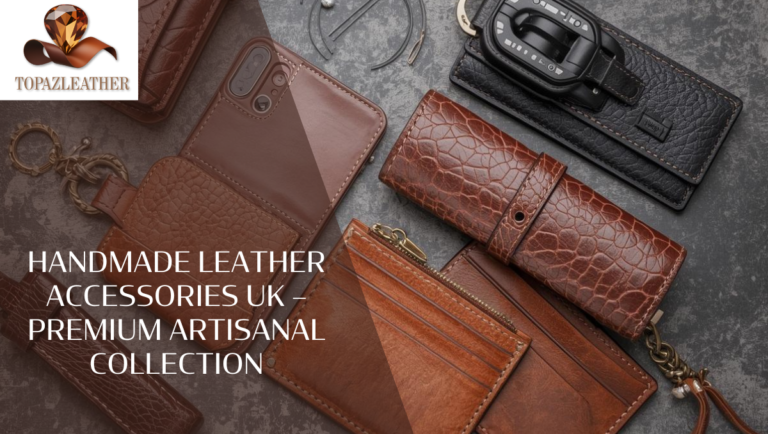
Quality handmade leather also translates to an elevated consumer experience that anticipates longevity. Unlike mass-produced goods, handmade leather ages gracefully, developing a patina that strengthens its luxurious character over time. This temporal quality is part of what the future of Handmade luxury promises to buyers: not transient fashion, but enduring value. Brands such as The Cambridge Satchel Company blend traditional craftsmanship with modern sensibilities to create timeless designs that transcend seasonal trends.
The digital revolution also brings new tools for enhancing provenance and traceability. The integration of digital product passports and blockchain technologies offers transparent origin stories, empowering UK consumers to verify every link in the supply chain.
Sustainability as a Luxury Standard
Sustainability forms a cornerstone of the future of Handmade luxury, especially as UK audiences increasingly seek products that harmonise bespoke craftsmanship with environmental responsibility. The narrative around leather’s sustainability often centres on converting waste by-products from food industries into premium materials. Tusting, a historic British heritage brand, emphasises upcycling and biodegradable qualities inherent to leather, while modern tanning techniques meet stringent ethical and environmental criteria that define responsible production.(tusting.co.uk)
Premium handmade leather also aligns with a circular economy ethos that prioritises repairability and longevity over planned obsolescence. Brands like Launer London adopt slow-fashion principles, offering repair services to ensure that luxury leather goods can be treasured and maintained for decades, reducing waste and extending each creation’s lifespan. (launer.com) This philosophy underscores the deeper narrative of luxury consumption,n where durability and timeless design outweigh fleeting trends.
Digital Customisation and Personalisation
Digital platforms also empower bespoke customisation at scale. Consumers can personalise every detail of their bags, wallets, or accessories online, choosing leather types, colour palettes, and finishing touches that reflect their identity. This level of co-creation enhances engagement, elevates brand value, and redefines the relationship between maker and buyer —
As the digital age reshapes the way we discover, engage with, and purchase luxury goods, the integration of artisanal authenticity with seamless online experiences defines what it means to be premium in the UK market. Heritage craftsmanship anchored in British tradition finds fresh expression through digital storytelling and immersive e-commerce. This synergy will be the core of how consumers value handmade leather goods in the decades to come.
The future of Handmade luxury is not a nostalgic retreat; it is a forward-looking celebration of skill, ethics, sustainability, and emotional resonance. For UK buyers who value provenance, quality, and timeless design, handcrafted leather goods represent more than utility — they represent a lineage of excellence that digital technologies now amplify rather than replace.
Within this vibrant landscape, Topaz Leather stands at the forefront, combining classic British craftsmanship with progressive digital engagement to deliver handmade leather goods that unite heritage, sophistication, and contemporary relevance in every piece.
Call to Action
Contact Topaz Leather now to explore bespoke leather creations, unlock personalised craftsmanship insight, and own premium leather goods that define the future of Handmade luxury. Reach us at +447477227847, email Hello@topazleather.com, or visit www.topazleather.com for exclusive collections built to last.
FAQs
Handmade leather becomes luxury through expert craftsmanship, premium hides, and traditional technique, creating products with unmatched durability, detail, and character.
Sustainability enhances premium leather by prioritising ethical sourcing, traceable materials, and timeless design that reduces waste and elevates long-term value.
Handmade leather goods age beautifully, develop a unique patina, and maintain relevance across fashion cycles, offering lasting quality that outperforms fast-fashion products.
Yes, personalised customisation is available, allowing you to select leather types, finishes, and bespoke details that reflect your style and preferences.
Maintain premium leather by cleaning regularly with recommended balms, storing it away from moisture, and avoiding exposure to extreme conditions to preserve its texture and finish.