Introduction
Winter leaves a visible and tactile mark on leather. Cold air, indoor heating, moisture, and road salt weaken natural fibres and drain essential oils from hides. When owners understand how to condition leather to winter exposure correctly, they protect appearance, comfort, and long-term value. In the UK, seasonal changes demand refined care routines rather than quick surface fixes. At Topaz Leather, we design heritage-quality accessories that reward proper maintenance and age with character rather than damage.
Every premium belt, wallet, and bag depends on natural oils for strength and flexibility. Winter strips those oils, leaving leather dull or stiff. When you condition leather winter pieces early, you restore softness, revive colour depth, and protect structure. This process does more than create shine. It preserves the craftsmanship behind every item, whether you wear a handmade piece from our Leather Belts Collection or carry a refined essential from our Leather Accessories.
Why Winter Challenges Premium Leather
Leather reacts directly to the climate. Cold temperatures contract fibres, heating dries surfaces, and moisture introduces residue that dulls finishes. British winters combine humidity and urban grit, which stresses luxury hides. When owners condition leather correctly to address winter damage, they protect the grain structure and maintain the tactile quality that separates handmade leather from mass-produced leather.
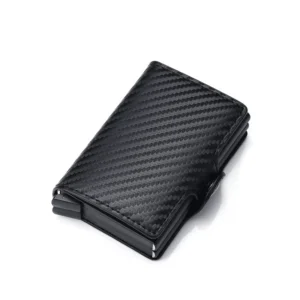
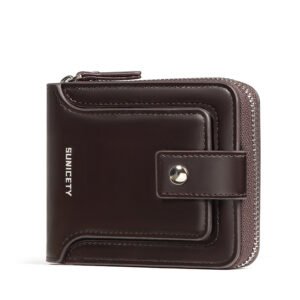
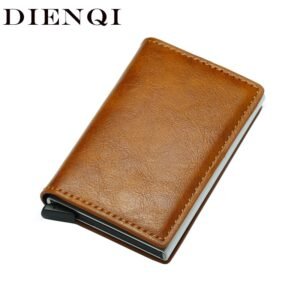
Artisans balance tannins and oils during crafting. Winter disrupts that balance. Regular conditioning reintroduces nutrients and keeps leather responsive rather than brittle, which matters especially for everyday pieces like our Handmade Leather Wallets.
Understanding Leather’s Natural Structure
Leather behaves like skin. It breathes, absorbs, and releases moisture. Full-grain leather features dense fibre networks that respond to care, developing a natural patina. Without conditioning, fibres stiffen and texture loses refinement. When you condition leather to winter exposure, you support flexibility and long-term performance rather than masking problems with polish.
Topaz Leather uses breathable finishes that welcome nourishment. Conditioning activates the leather’s internal recovery process, allowing it to age gracefully rather than cracking under pressure.
Preparing Leather Before Conditioning
Before you apply any product, preparation matters. Dirt and salt block absorption. UK winter streets leave fine particles on accessories and bags. When you plan to condition leather winter pieces, gently wipe surfaces with a soft cloth so conditioners can feed the fibres rather than seal contaminants inside.
Preparation separates professional care from casual cleaning. It also protects detailing on items such as our Luxury Leather Bags, where grain texture and stitching deserve precision.
Choosing the Right Conditioner for Luxury Leather
Not every conditioner suits premium hides. Silicone-heavy products create temporary gloss but starve fibres. Quality conditioners use natural oils and waxes that integrate with the leather structure. When customers condition leather winter accessories from Topaz Leather, they should choose neutral, non-greasy formulas that respect handmade finishes.
Correct conditioning deepens tone and restores suppleness without changing design intent. This matters especially for statement pieces like our Signature Leather Belts, where colour and structure define elegance.
Applying Conditioner with Craftsmanship Precision
Conditioning requires patience. Let the leather reach room temperature so the fibres open naturally. When you Condition leather winter items, apply small amounts evenly with a gentle circular motion. This distributes oils consistently and avoids saturation marks.
Precision preserves texture. It ensures your leather looks refined rather than overtreated, whether you maintain a wallet from our Men’s Leather Collection or a daily-use accessory.
Allowing Leather to Absorb and Settle
After application, leather needs time to absorb oils. Fibres restore internal balance slowly. When owners Condition leather winter accessories properly, they allow hours for settling before light buffing.
This stage defines luxury care. It transforms surface treatment into real nourishment, ensuring Topaz Leather pieces retain softness without grease or weight.
Restoring Colour Depth After Winter
Winter often fades leather because dryness disrupts light reflection across the grain. Conditioning revives pigment richness by hydrating fibres beneath the finish. When you condition leather winter products consistently, browns appear warmer, blacks gain depth, and natural hues look refined rather than flat.
This effect enhances premium items such as our Handcrafted Leather Wallets, where colour clarity elevates everyday style.
Protecting Stitching and Edge Finishes
Luxury leather includes more than hide. Stitching and edges face winter stress, too. Conditioning keeps the surrounding leather flexible, which reduces tension on seams. When customers condition leather winter accessories, they protect both surface beauty and construction integrity.
This protection supports long-term performance for belts, bags, and accessories designed for years of wear.
Maintaining Shape and Structure
Cold stiffens leather and distorts form when stored incorrectly. Conditioning restores pliability and helps items retain their silhouette. When you condition leather winter handbags, belts, and wallets, you preserve their fit and elegance rather than letting seasonal neglect reshape them.
Shape retention matters for statement pieces that define outfits and personal style.
Sustainable Luxury Through Care
Sustainable fashion values longevity over replacement. Conditioning extends life cycles and reduces waste. When you condition leather winter accessories rather than replace them, you support ethical luxury and responsible ownership.
Topaz Leather designs products for decades, not seasons. Proper care transforms purchases into lasting investments rather than short-lived trends.
Integrating Conditioning Into Your Style Routine
Leather care fits naturally into wardrobe rituals. After winter, many people refresh their clothing and accessories for spring. Conditioning complements that cycle. When owners Condition leather winter pieces alongside wardrobe updates, they maintain coherence between fashion and function.
Clean, nourished leather elevates tailored looks and reinforces premium presentation across every outfit.
Why Handmade Leather Responds Better to Conditioning
Mass-produced leather uses heavy coatings that resist absorption. Handmade leather remains breathable and responsive. When clients Condition leather winter Topaz Leather pieces, they activate natural fibre recovery and encourage the development of signature patina.
Over time, leather reflects personal use rather than artificial shine, which defines true luxury.
Long-Term Benefits of Post-Winter Conditioning
Conditioning after winter helps prevent microcracks, fading, and stiffness. It protects resale value and daily comfort—those who consistently Condition leather winter accessories enjoy durability, aesthetic appeal, and confidence in every season.
Luxury leather rewards discipline with performance that endures year after year.
Topaz Leather’s Heritage Approach to Care
Topaz Leather crafts accessories that express British elegance and artisan discipline. Our handmade belts, wallets, and bags respond beautifully to proper conditioning. When you condition leather winter Topaz Leather pieces, you extend the story of craftsmanship long after purchase.
Care transforms ownership into heritage and style into legacy.
Call to Action
Restore your leather after winter with confidence and craftsmanship. Explore premium handmade accessories designed to age beautifully with expert care from Topaz Leather.
 +447477227847
 Hello@topazleather.com
 www.topazleather.com
Experience British luxury leather that rewards attention season after season.