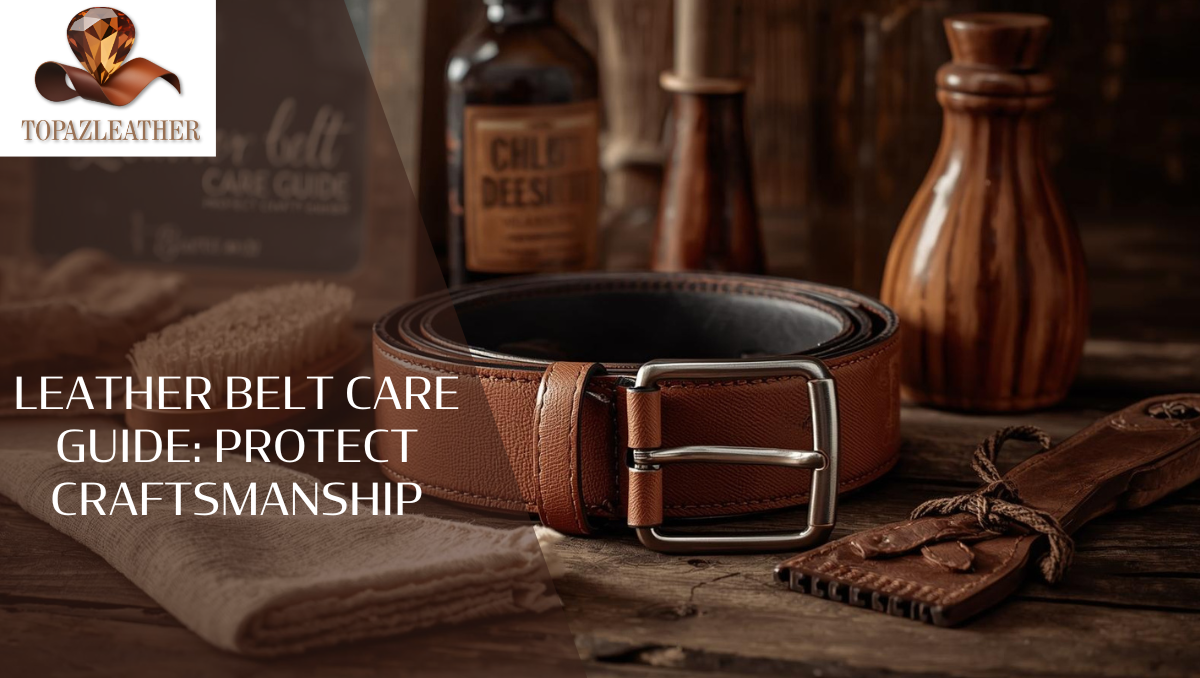
Leather Belt Care Guide: Protect Craftsmanship
A refined wardrobe demands intention, and every refined wardrobe relies on proper maintenance. This leather belt care guide delivers the knowledge discerning UK buyers require to preserve craftsmanship, longevity, and character. A handmade leather belt represents more than a fastening device; it anchors tailoring, elevates denim, and completes formalwear. When you invest in premium full-grain leather, you invest in heritage, durability, and natural beauty. Proper care ensures that the investment matures rather than deteriorates.
British consumers increasingly value longevity over disposability. Publications such as https://www.theguardian.com/uk regularly highlight the importance of buying fewer, better products that last. A handmade leather belt aligns perfectly with that philosophy. With the right care, your belt develops a rich patina, softens naturally, and retains its structural integrity for decades.
Understanding Leather Structure and Why Care Matters
Before you follow any leather belt care guide, you must understand the material itself. Full-grain leather retains the outermost layer of the hide, which contains dense fibres and natural markings. This structure gives the belt strength, resilience, and breathability. Inferior corrected leather often masks surface imperfections with coatings, which eventually crack or peel.
Full-grain leather reacts to its environment. It absorbs moisture, releases it gradually, and adapts to temperature changes. The UK climate introduces humidity, rainfall, and seasonal shifts. The Met Office (https://www.gov.uk/government/organisations/met-office) outlines how regional humidity levels fluctuate throughout the year. These fluctuations directly influence how leather behaves. You protect your belt effectively when you respect that natural responsiveness.
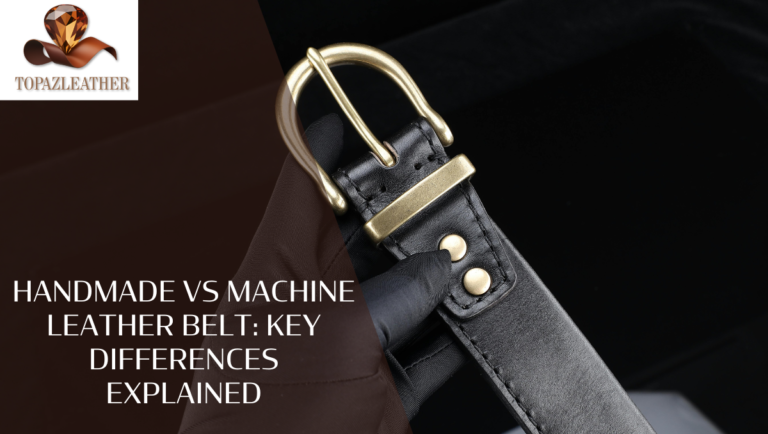
A belt crafted by skilled artisans reflects precise edge finishing, hand burnishing, and structured stitching. Regular maintenance preserves these details. Neglect accelerates fibre breakdown, causes dryness, and weakens structural strength.
Daily Handling: The Foundation of Leather Belt Longevity
Every leather belt care guide begins with daily handling. You should remove your belt gently rather than pulling it free aggressively. You should fully unbuckle it before sliding it out of the belt loops. This habit prevents stress on the buckle holes and helps preserve the buckle’s shape.
After wearing, allow the belt to rest flat or hang vertically. Avoid tight coiling, which strains the grain and creates permanent creases. Interior design guidance from https://www.idealhome.co.uk often encourages thoughtful storage solutions for long-lasting home organisation. The same principle applies to wardrobe care. A dedicated drawer or belt rack protects your accessory from compression and abrasion.
You should avoid prolonged exposure to direct sunlight. Sunlight dries leather fibres and fades natural pigments. Place your belt in a cool, dry environment away from radiators or heated flooring. Consistent storage forms the first line of defence in any serious leather belt care guide.
Cleaning Your Leather Belt Correctly
Surface dust and minor dirt accumulate over time from regular wear. You should lightly clean your belt before grime embeds in the grain. A soft, dry cloth removes surface particles. For deeper cleaning, dampen a cloth slightly with lukewarm water and wipe gently along the length of the belt.
You must avoid soaking the leather. Excess water disrupts natural oils and causes stiffness. Which? At https://www.which.co.uk, consumers are frequently advised to follow manufacturer guidance for product maintenance to avoid damage. The same discipline applies here. Controlled moisture supports longevity; saturation destroys structure.
If stains appear, use a small amount of pH-balanced leather cleaner designed specifically for full-grain hides. Test the cleaner on an inconspicuous area first. Apply gently in circular motions, then remove the residue immediately. A disciplined cleaning routine strengthens the effectiveness of your leather belt care guide and preserves the belt’s premium finish.
Conditioning: Nourishing the Leather Fibres
Conditioning forms the heart of every authoritative leather belt care guide. Leather contains natural oils that maintain suppleness. Over time, friction and environmental exposure reduce these oils. Conditioning replenishes them and prevents cracking.
Apply a high-quality leather conditioner sparingly with a clean cloth. Work it evenly across the surface and allow it to absorb. Buff gently to restore the sheen. You should condition your belt every 3 to 6 months, depending on its frequency of wear and seasonal dryness.
In British winters, indoor heating often reduces ambient humidity. RIBA at https://www.architecture.com discusses how modern homes retain heat efficiently, which also dries interior air. Lower humidity affects leather similarly to skin. Conditioning counteracts this dryness and maintains flexibility.
Water Exposure and Rain Protection
The UK climate requires a serious approach to moisture management. Even the most refined leather belt care guide must address rain. If your belt becomes wet, blot the excess moisture immediately with a dry cloth. Allow it to air dry naturally at room temperature. Never place leather near a heater or use a hairdryer. Rapid drying stiffens fibres and causes surface cracking.
Once dry, apply conditioner lightly to restore balance. Regular conditioning builds resistance against incidental moisture. Savills at https://www.savills.co.uk often highlights the importance of protecting valuable property investments. Your handmade belt deserves the same preventative mindset.
Protective sprays designed for leather can add a barrier against light rain. Use them sparingly and ensure they are compatible with full-grain leather. Always prioritise breathability over heavy coatings.
Preventing Creases and Structural Distortion
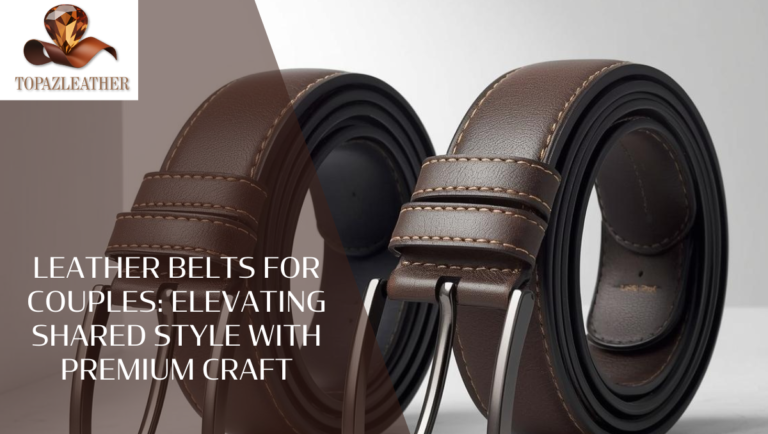
Shape preservation defines the elegance of a premium belt. This leather belt care guide emphasises rotation. Avoid wearing the same belt daily. Rotation allows fibres to recover and maintain elasticity.
When travelling, pack your belt flat within clothing layers. Avoid folding sharply. If minor bends appear, massage the leather gently and allow it to rest under light pressure from flat garments.
Rightmove (https://www.rightmove.co.uk) frequently showcases well-organised dressing spaces in premium homes. Organisation enhances longevity. A structured wardrobe protects accessories from accidental damage and preserves alignment.
Metal Buckle Maintenance
Your belt buckle contributes to overall presentation.—Clean metal components with a dry polishing cloth. Avoid abrasive materials that scratch plating. If tarnish appears on brass or stainless steel, use a specialist polish designed for that metal.
Moisture trapped beneath the buckle can stain leather. Dry the area thoroughly after cleaning. A complete leather belt care guide addresses both leather and hardware to ensure cohesive refinement.
Seasonal Adjustments for UK Conditions
Seasonal transitions require subtle care adjustments. During humid summer months, increase airflow in storage spaces. House Beautiful UK (https://www.housebeautiful.com/uk) often recommends ventilation strategies to preserve interiors. Ventilation also benefits leather accessories.
During winter, increase conditioning frequency slightly to offset indoor dryness. Monitor texture and suppleness. Leather communicates its needs clearly through touch and appearance. Dryness signals conditioning—excess gloss signals over-application.
Ethical Craftsmanship and Sustainable Longevity
Longevity supports sustainability. BBC News (https://www.bbc.co.uk) frequently reports on consumer shifts toward sustainable fashion. A handmade belt crafted from responsibly sourced leather supports this movement. When you follow a proper leather belt care guide, you reduce replacement frequency and minimise environmental impact.
Durability reflects ethical production. Responsible tanneries follow environmental standards and reduce harmful waste. Proper maintenance honours the artisans who shape each hide by hand. You extend the life of their craftsmanship and preserve British appreciation for heritage goods.
Professional Restoration and When to Seek Expertise
Even with meticulous adherence to a leather belt care guide, wear may appear after many years. Minor surface scratches often fade with conditioning. Deep cracks or loose stitching require professional intervention. A skilled leather specialist can restitch edges, refinish surfaces, and restore strength.
Do not attempt aggressive home repairs with adhesives or harsh chemicals. Improper fixes often cause irreversible damage. Professional restoration protects both aesthetics and structural integrity.
Building a Ritual of Care
True luxury thrives on ritual. Your leather belt care guide should not feel burdensome. It should feel intentional. A quarterly conditioning session, mindful storage, and gentle cleaning create a rhythm that enhances appreciation. Each time you handle your belt, you connect with craftsmanship.
A belt that ages gracefully tells a story. It reflects meetings attended, milestones celebrated, and journeys travelled. Care preserves not only material quality but personal narrative.
Why Proper Care Elevates British Style
British style values understatement, precision, and durability. A neglected accessory undermines tailoring. A well-maintained belt completes it. The discipline embedded within this leather belt care guide aligns with the broader British respect for quality over excess.
Investment pieces demand stewardship. When you care for your leather belt properly, you uphold standards of elegance, sustainability, and authenticity. You choose longevity over convenience and craftsmanship over compromise.
Elevate Your Leather with Topaz Leather
At Topaz Leather, we craft belts that deserve to stand the test of time. Our artisans shape full-grain leather into refined accessories for British wardrobes, designed for enduring performance. When you follow this leather belt care guide, you protect not only leather but legacy.
For bespoke advice, personalised recommendations, or premium handmade leather belts crafted in the spirit of heritage excellence, contact us today.
+447477227847
Hello@topazleather.com
www.topazleather.com
FAQs
You should condition your belt every three to six months. Increase frequency during winter when indoor heating dries the air.
You should only use cleaners designed specifically for full-grain leather. Household chemicals strip natural oils and damage the grain.
Blot moisture immediately, allow natural air drying at room temperature, and apply conditioner once fully dry.
Lay the belt flat, gently massage the leather, and allow it to rest. Avoid folding or applying direct heat.
Yes. Consistent cleaning, conditioning, and correct storage significantly extend durability and preserve structural integrity.