Designer vs handmade leather belt: UK Verdict
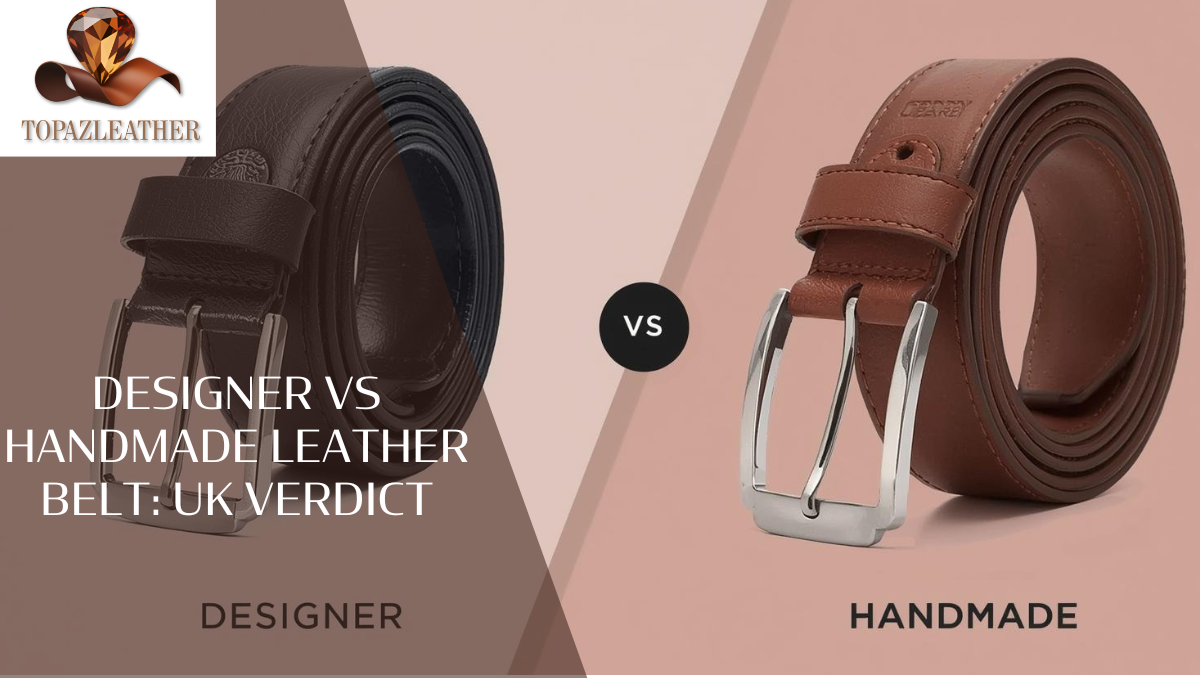
The debate around designer vs. handmade leather belts continues to shape purchasing decisions across the United Kingdom. British buyers no longer chase logos without scrutiny. They examine craftsmanship, material integrity, ethical production, and long-term value before they invest. A belt may appear small within a wardrobe, yet it anchors tailoring, sharpens denim, and signals discernment. When you compare designer labels with handcrafted leather belts, you confront two very different philosophies of luxury.
Luxury in 2026 demands more than visibility. It demands authenticity. Consumers increasingly favour substance over status, as reported by https://www.bbc.co.uk in its coverage of evolving retail behaviour. This shift reframes the entire Designer vs handmade leather belt discussion. The real question no longer centres solely on brand recognition. It centres on quality, heritage, and enduring performance.
Brand Prestige and Market Perception
Designer belts often command attention through their association with globally recognised names. Fashion houses invest heavily in marketing, flagship stores, and celebrity endorsement. These strategies create aspiration and visibility. Publications such as https://www.theguardian.com/uk frequently analyse how brand narratives influence buying behaviour in the UK luxury market. A designer belt often delivers instant recognition and immediate visual impact.
However, prestige does not always guarantee craftsmanship. Many designer brands outsource production to large-scale manufacturers. Production lines prioritise volume, efficiency, and margin. The logo becomes the centrepiece, while leather quality may vary by collection and price tier. In the Designer vs handmade leather belt comparison, branding strength does not automatically equal material excellence.
Handmade leather belts operate within a different value system. Skilled artisans focus on hide selection, edge finishing, stitching precision, and structural longevity. Craft replaces marketing spectacle. Instead of mass production, workshops emphasise deliberate construction. British consumers who value heritage increasingly seek products that reflect authenticity rather than mass visibility.
Material Quality and Leather Integrity
Material choice defines the outcome of the designer vs. handmade leather belt decision. Designer brands often use a mix of full-grain, top-grain, and corrected leather across product lines. Some belts feature coated finishes to create uniformity. These coatings can mask imperfections but may reduce breathability and long-term resilience.
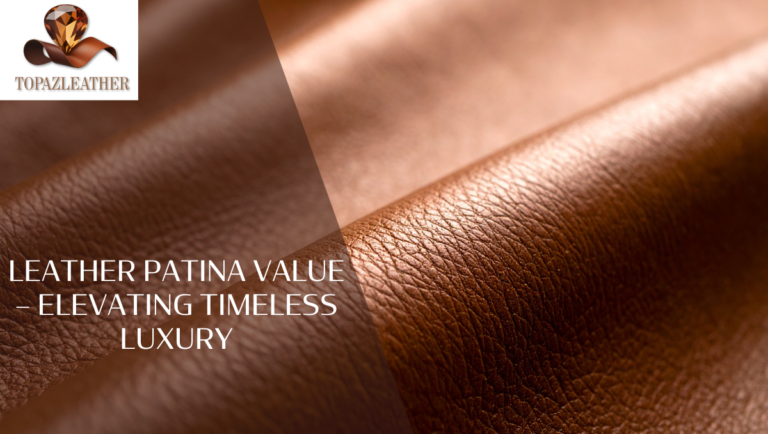
Handmade belts typically prioritise full-grain leather. Full-grain hides retain the natural surface layer, which contains the densest fibres. This structure supports durability and develops a distinctive patina over time. The Leather Working Group at https://www.leatherworkinggroup.com outlines responsible tanning standards that elevate leather quality and environmental accountability—artisan workshops often source from such accredited tanneries.
A full-grain belt adapts to the wearer. It softens gradually while maintaining strength. It develops character rather than deterioration. In the Designer vs handmade leather belt evaluation, material transparency often favours handcrafted production, as artisans disclose the origin of the hide and the tanning process.
Craftsmanship and Construction
Construction methods reveal the clearest contrast in the designer vs. handmade leather belt discussion. Large luxury houses frequently rely on machine stitching to increase efficiency. Machine stitching delivers speed and consistency, yet it may lack the nuanced tension control that skilled artisans achieve by hand.
Handmade belts involve careful cutting, hand burnishing, edge painting or waxing, and meticulous stitching. Artisans align the grain direction to preserve structural balance. They punch buckle holes precisely to prevent tearing. They reinforce stress points through layered leather or reinforced stitching.
RIBA at https://www.architecture.com celebrates craftsmanship in British architecture and design. That same appreciation for precision applies to leather goods. A handmade belt reflects design discipline and structural intelligence. It supports years of daily wear without distortion.
Longevity and Cost Per Wear
The Designer vs handmade leather belt comparison must address longevity. Designer belts often attract higher initial prices due to branding. Some deliver excellent durability, particularly within premium lines. Others prioritise fashion cycles and seasonal trends.
Handmade leather belts aim for decades of service. Artisans craft them for durability rather than trend turnover. A well-maintained full-grain belt can last ten years or more. When you divide the cost by the years of wear, the handmade option often delivers superior value.
Which? at https://www.which.co.uk consistently advises UK consumers to evaluate cost per use rather than initial price alone. This principle strengthens the commercial argument within the Designer vs handmade leather belt decision. Investment value often resides in craftsmanship rather than logo prominence.
Ethical Production and Sustainability
Modern British buyers increasingly prioritise sustainability. BBC coverage at https://www.bbc.co.uk highlights consumer interest in responsible fashion choices. Designer brands operate at a global scale, which often complicates supply chain transparency. Some luxury houses publish sustainability reports, yet production volume continues to drive environmental impact.
Handmade workshops operate on a smaller scale. They produce limited quantities, reduce waste, and maintain closer relationships with tanneries. Many artisans source vegetable-tanned leather, which uses natural tannins rather than heavy chemicals. This approach reduces environmental strain and enhances leather ageing.
In the Designer vs handmade leather belt debate, ethical production often favours artisan craftsmanship. Smaller-scale production supports longevity and reduces unnecessary replacement cycles.
Design Aesthetic and Style Identity
Designer belts frequently display bold hardware and prominent logos. They serve as statement pieces. They complement fashion-forward wardrobes and signal affiliation with specific fashion houses. For some buyers, this visual signature justifies the premium.
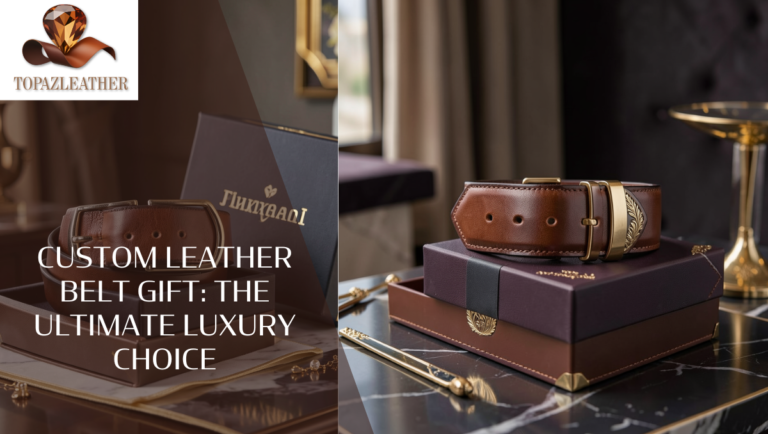
Handmade leather belts typically embrace understated elegance. Clean lines, solid brass buckles, and natural finishes define their aesthetic. They integrate seamlessly with tailoring, formalwear, and smart casual attire. They enhance style without dominating it.
House Beautiful UK(https://www.housebeautiful.com/uk) often emphasises timeless design principles for winter interiors. Timelessness also defines handcrafted leather accessories. The Designer vs handmade leather belt decision often reflects whether a buyer prioritises overt branding or refined subtlety.
Customisation and Fit
Designer belts usually follow standardised sizing systems. Buyers choose from fixed lengths and limited buckle options. While this approach offers convenience, it rarely accommodates bespoke adjustments.
Handmade artisans frequently provide custom sizing, buckle selection, and personalised finishing. This flexibility enhances comfort and alignment with individual wardrobes. Savills at https://www.savills.co.uk often highlights how bespoke features elevate property value. Customisation similarly elevates accessory value.
Within the Designer vs handmade leather belt comparison, bespoke craftsmanship introduces exclusivity rooted in individuality rather than branding.
Resale Value and Long-Term Investment
Some designer belts retain resale value, particularly from iconic fashion houses. Brand recognition drives secondary market demand. However, resale potential depends heavily on brand popularity and seasonal trends.
Handmade belts rarely rely on resale markets. They focus instead on lifelong ownership. Rightmove (https://www.rightmove.co.uk) frequently demonstrates that high-quality assets retain long-term desirability. A handcrafted belt functions similarly. It may not circulate widely in resale markets, yet it rewards ownership through enduring performance.
The Designer vs handmade leather belt evaluation ultimately balances resale speculation against personal longevity.
The UK Consumer Perspective
UK buyers demonstrate increasing discernment. The Guardian (https://www.theguardian.com/uk) reports on shifts toward quality-driven consumption. British style values restraint, authenticity, and craftsmanship. This cultural context influences the decision between a designer-made leather belt and a handmade leather belt.
A designer belt may satisfy those who prioritise immediate recognition. A handmade belt satisfies those who prioritise enduring quality. Both occupy valid positions within luxury retail. However, craftsmanship, material integrity, and sustainability increasingly shape purchasing decisions across Britain.
The Verdict on Designer vs Handmade Leather Belt
The final judgement within the Designer vs handmade leather belt debate depends on personal priorities. If brand visibility and resale recognition drive your decision, a designer belt may align with your goals. If you prioritise full-grain leather, artisan construction, ethical sourcing, and long-term value, a handmade leather belt delivers superior substance.
Luxury today rewards depth rather than display. A belt crafted by skilled hands embodies patience, precision, and pride. It matures alongside its owner and reflects a commitment to quality over trend.
Elevate Your Wardrobe with Enduring Craftsmanship
At Topaz Leather, we craft belts that honour British heritage and modern refinement. We select premium full-grain hides, handshape them, and finish each piece with meticulous attention. Our philosophy aligns with the values explored in this Designer vs handmade leather belt comparison. We prioritise authenticity, durability, and understated elegance.
If you seek a belt that transcends seasonal fashion and endures for decades, connect with us today.
+447477227847
Hello@topazleather.com
www.topazleather.com
FAQs
Handmade belts often deliver superior material quality, craftsmanship, and longevity, while designer belts prioritise branding and visibility.
Some designer belts last well, but many focus on fashion cycles. Handmade full-grain belts typically offer greater long-term durability.
Artisans use premium hides, precise construction, and limited production methods, which increase quality and longevity.
Handmade belts provide lasting value through durability and timeless design rather than resale branding appeal.
A handcrafted full-grain leather belt with understated hardware complements formal British tailoring most effectively.