When you invest in a leather belt, you invest in more than an accessory. You invest in craftsmanship, material integrity,y and long-term style. Understanding how to identify genuine leather belts protects you from disappointment and helps you choose a piece that reflects quality, durability, and heritage. In a market crowded with synthetic alternatives and misleading labels, informed judgment separates a wise purchase from an expensive mistake. At Topaz Leather, knowledge empowers confidence. This guide explains how to identify a genuine leather belt by assessing its materials, construction details, finishing standards, and ethical practices. Every section equips you with the insight required to recognise true quality before you buy.
Understanding leather grades and material integrity
Any discussion about how to identify a genuine leather belt must begin with leather grades. Full-grain leather represents the highest standard. It retains the hide’s natural surface and fibre structure. It develops a rich patina over time and strengthens with age. Top-grain leather follows closely behind, although it undergoes surface correction that slightly reduces natural character. Manufacturers often use the term “genuine leather” as a marketing phrase. That label describes a broad category rather than a premium grade. Bonded leather combines leftover fibres with adhesives, creating a material that lacks strength and longevity. When you learn to identify genuine leather belts, you focus on fibre density, natural markings, and tactile richness rather than relying solely on stamped wording. Consumer authorities such as http://www.which.co.uk encourage buyers to research material composition before committing to a purchase. This advice aligns directly with luxury leather selection. A belt crafted from full-grain leather delivers resilience that synthetic or bonded alternatives cannot match.
The touch test and surface evaluation
Texture reveals authenticity. Run your fingers across the belt’s surface. Full-grain leather feels supple yet substantial. It displays subtle variations in grain. It carries warmth rather than the cold uniformity of plastic-coated materials. Mastering how to identify a genuine leather belt involves trusting both sight and touch. Examine the surface closely. Genuine high-grade leather may show minor imperfections, such as faint scars or natural creases. These marks confirm authenticity. Artificial materials present flawless repetition. That artificial consistency signals mass production rather than heritage craftsmanship. Design institutions such as http://www.riba.org emphasise material honesty within architecture. The same philosophy governs fine leatherwork. Authentic materials celebrate their natural character rather than conceal it.
Edge finishing and structural integrity
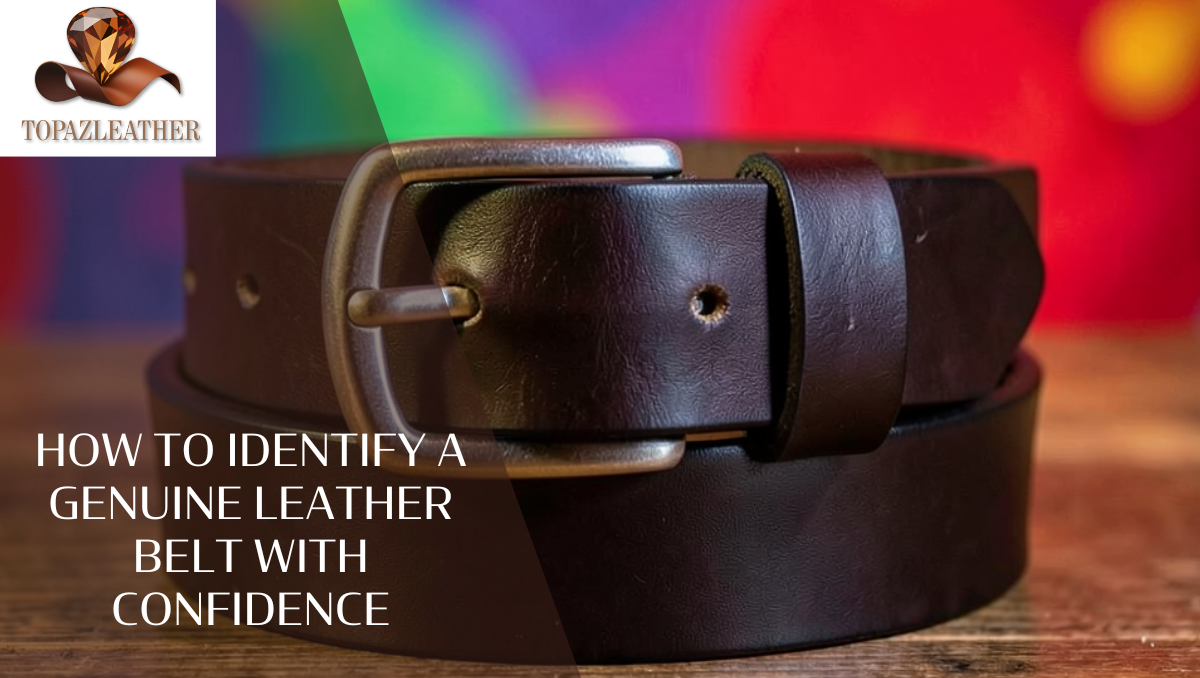
Edges expose truth. Inspect the belt’s edges carefully. Skilled artisans bevel and burnish edges until they achieve a smooth, rounded finish. Poor-quality belts reveal rough cuts, peeling paint, or visible filler. When evaluating how to identify a genuine leather belt, pay attention to this detail, as it reflects the maker’s commitment to excellence. High-quality belts display consistent thickness throughout. They resist excessive bending or creasing when flexed gently. Bonded belts often split or show white fibre lines along the fold. That weakness signals inferior composition. The property and craftsmanship features showcased on http://www.savills.co.uk highlight the attention to structural detail in luxury homes. The same principle applies to leather goods. Strength beneath the surface defines lasting value.
Stitching precision and hardware quality
Construction communicates intent. Straight, evenly spaced stitching demonstrates skill and care. Loose threads or irregular spacing suggest rushed production. When you study how to identify a genuine leather belt, inspect the stitching along keepers and buckle attachments. Hardware deserves equal scrutiny. Solid brass or stainless steel buckles offer weight and durability. Lightweight alloy buckles often chip or corrode. A premium buckle should complement the leather rather than dominate it. British design publications such as http://www.housebeautiful.com/uk frequently discuss balanced design principles that prioritise proportion and harmony. A refined belt follows the same discipline.
Smell and authenticity indicators
Scent provides another powerful clue. Natural leather carries a distinctive, rich aroma. Synthetic materials emit chemical undertones. When you explore how to identify a genuine leather belt, rely on this sensory cue. Authentic leather speaks through scent as clearly as it does through touch. Retail experts featured in reports by http://www.bbc.co.uk often discuss the importance of consumer awareness in competitive markets. Developing sensory awareness strengthens purchasing confidence and reduces susceptibility to misleading marketing.
The importance of provenance and ethical sourcing
Modern consumers demand transparency. Ethical production supports responsible farming, skilled artisans, and sustainable practices. Learning to identify a genuine leather belt involves examining a brand’s transparency. Reputable makers openly explain sourcing methods, tanning processes, and craftsmanship techniques. Guidance on responsible consumption highlighted by http://www.theguardian.com/uk reinforces the value of investing in durable goods rather than disposable fashion. A well-made belt reduces waste and supports long-term use. British buyers often prefer brands that align with UK standards of quality and integrity. Regulatory information available at http://www.gov.uk provides insight into trading standards and consumer rights, offering additional reassurance during purchasing decisions.
Price as a quality indicator
Price alone does not guarantee excellence, yet it often reflects material and labour investment. When evaluating how to identify a genuine leather belt, consider the economics of craftsmanship. Full-grain hides, skilled labour, and solid hardware require meaningful investment. Extremely low prices often indicate compromised materials or shortcuts in mass production. Consumer finance advice on http://www.which.co.uk frequently emphasises value over short-term savings. A superior belt may cost more initially, yet it outperforms cheaper alternatives over the years. Longevity transforms cost into value.
Patina development and ageing characteristics
True leather evolves. It absorbs natural oils from your hands. It deepens in colour. It develops character. Synthetic belts crack or peel instead of maturing gracefully. Understanding how to identify a genuine leather belt means recognising the long-term journey of full-grain leather. Interior specialists at http://www.idealhome.co.uk often discuss materials that age beautifully within living spaces. The same principle enhances personal accessories. A belt that grows richer over time strengthens both the wardrobe and the identity.
Brand credibility and heritage craftsmanship
Established artisans invest years in refining their technique. They cut the straps with precision. They hand-finish edges. They inspect every detail before release. When researching how to identify a genuine leather belt, evaluate the brand’s heritage narrative. Authentic brands demonstrate pride in craftsmanship rather than relying solely on marketing language. Luxury property insights published on http://www.rightmove.co.uk frequently highlight heritage value in British homes. Heritage adds depth and permanence. In leather craftsmanship, heritage signals experience, knowledge, and dedication.
Fit, flexibility, and comfort.
Quality leather adapts to your body while maintaining structure. Bend the belt gently. It should flex without cracking. It should return to form without distortion. Learning to identify genuine leather belts involves evaluating how they behave during natural movement. A belt should feel comfortable against the waist without causing discomfort. High-grade leather softens gradually while preserving integrity. Inferior materials deteriorate quickly under daily stress.
Comparing handmade and factory production
Handmade belts reflect human oversight at every stage. Artisans select hides individually. They trim edges manually. They align the stitching carefully. Factory production often prioritises speed over detail. When you explore how to identify a genuine leather belt, recognise the visible differences between handcrafted precision and automated uniformity. Reports across respected UK publications, such as http://www.bbc.co.uk, frequently celebrate traditional British craftsmanship across various industries. Leatherwork firmly belongs to that heritage of skilled artistry.
Why informed selection protects your investment
Knowledge transforms purchasing decisions. When you learn how to identify genuine leather belts, you eliminate guesswork. You protect your wardrobe from inferior substitutes. You choose durability, refinement, and authenticity. A genuine, high-quality belt supports tailoring, enhances strength and professionalism, and enhances everyday confidence. It reflects standards that extend beyond fashion into personal philosophy.
Choose an enduring quality with Topaz Leather.
If you value craftsmanship, authenticity,y and long-term refinement, choose a belt that exemplifies these principles. At Topaz Leather, we craft each piece from premium full-grain leather, hand-finish every edge, and select hardware that ensures enduring performance. We uphold British-inspired standards of excellence in every detail. Discover the confidence that comes from knowing how to identify genuine leather belts and investing in true quality. Contact our team to explore our handcrafted collection and secure a belt that reflects heritage, durability, and luxury without compromise.
+447477227847
Hello@topazleather.com
www.topazleather.com
FAQs
Check the grain pattern, smell the material, and inspect the edges. Genuine leather shows natural variation and carries a rich scent. Understandinghoww to identify a genuine leather belt requires careful visual and tactile inspection.
The term “genuine leather” describes real leather, but not necessarily premium-grade leather. Full-grain leather represents higher quality. When learning to identify genuine leather belts, focus on the grade rather than the label alone.
Peeling often occurs in bonded or synthetic materials that use surface coatings. Full-grain leather develops a patina rather than peeling. Knowing how to identify a genuine leather belt helps you avoid inferior construction.
A high-quality full-grain leather belt can last many years with proper care. When you understand how to identify genuine leather belts, you select one that can withstand daily wear.
Handmade leather belts benefit from skilled oversight and precise finishing. They often offer superior durability and character. Mastering how to identify a genuine leather belt highlights the value of artisanal craftsmanship.