Leather tells a story through time. When you understand soft leather aging, you understand why premium leather goods grow more comfortable, more characterful,l and more valuable with every year of wear. Inferior materials deteriorate. Genuine full-grain leather evolves. It responds to movement, warmth, touch, pain, and care. It softens without losing strength. That transformation defines luxury craftsmanship and distinguishes heritage leather from disposable fashion.
At Topaz Leather, we celebrate the science and artistry behind the aging of soft leather. We select full-grain hides because they mature beautifully. We craft belts and accessories that improve rather than decline. This guide explains how leather softens, why it develops patina, and how you can support its ageing while preserving its structural integrity.
Understanding the science behind soft leather aging
The process of soft leather aging begins at the fibre level. Full-grain leather retains its natural collagen structure. Those fibres intertwine densely, creating resilience and flexibility. As you wear leather, the heat from your body and your natural movement gradually relax the fibres. This relaxation increases suppleness without compromising durability.
Vegetable tanning enhances this evolution. Natural tannins bind with collagen fibres while preserving breathability. Over time, oils from your skin nourish the surface. The leather absorbs these oils, developing a deeper tone. Unlike synthetic coatings, authentic leather responds organically to the environment and use.
Consumer research highlighted on http://www.which.co.uk frequently emphasises material longevity as a mark of value. Leather that softens gracefully exemplifies long-term investment rather than short-term consumption.
Why full-grain leather improves with wear
Not all leather experiences authentic soft leather aging. Full-grain leather maintains its outermost layer, which contains the strongest fibres. This layer resists tearing while allowing flexibility. Corrected or bonded leather lacks this structure and often cracks instead of softening.
When you repeatedly bend a full-grain belt, the fibres adjust and adapt. They do not fracture. They align with your body’s natural movement. This adaptation produces comfort and character simultaneously.
Architectural principles championed by http://www.riba.org emphasize strength through the integrity of materials. Leather follows the same philosophy. When makers avoid excessive sanding or artificial coatings, they preserve natural strength and encourage healthy ageing.
The role of natural oils and daily use
Daily wear accelerates soft leather aging most beneficially. Movement stimulates fibre flexibility. Body warmth encourages absorption of natural oils. Light friction gently polishes the surface, creating a subtle sheen.
Leather thrives through interaction. A belt stored permanently in a drawer will soften slowly. A belt worn regularly will develop personality. This transformation mirrors the appreciation for lived-in interiors featured on http://www.housebeautiful.com/uk, where materials gain depth through authentic use.
British lifestyles demand versatility. Professionals travel between offices, countryside estates, and city events. Quality leather adapts to these environments and gains distinction from each experience.
Patina and visual transformation
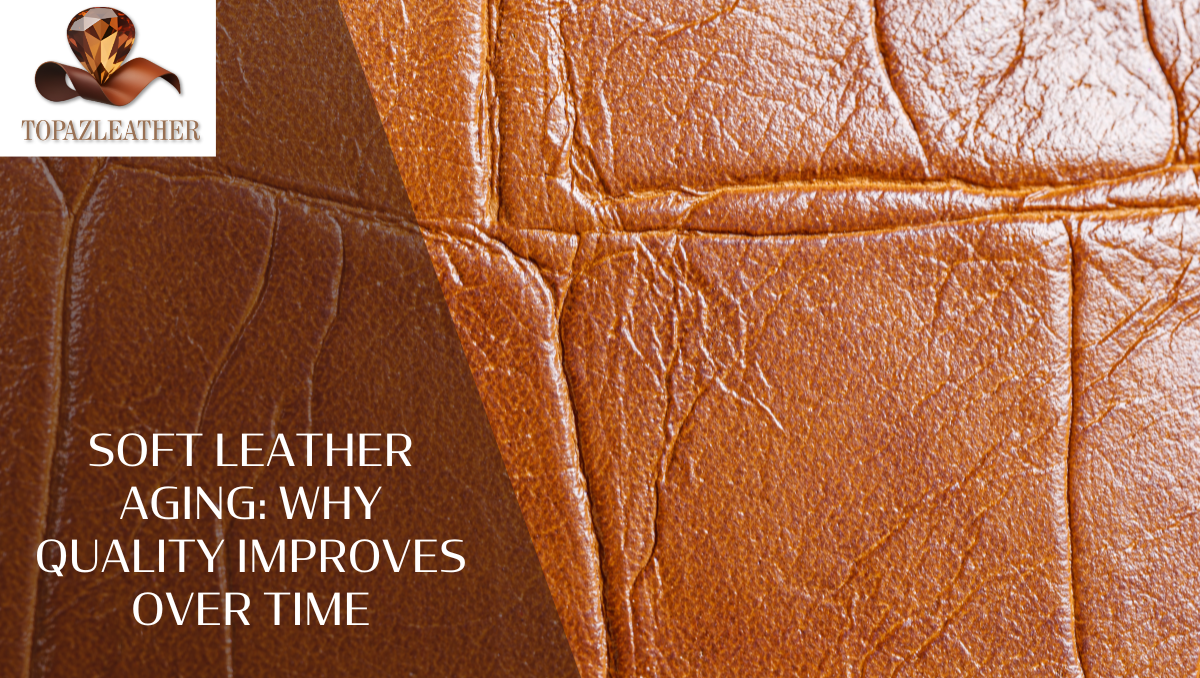
One of the most admired aspects of soft leather aging is the development of patina. Patina describes the gradual darkening and tonal variation that appears as leather matures. Sunlight exposure, handling, and conditioning treatments contribute to this effect.
Patina signals authenticity. It reflects time invested and memories created. Synthetic materials cannot replicate this organic depth. They fade or peel rather than enrich.
Lifestyle coverage within http://www.theguardian.com/uk often highlights sustainable consumption and appreciation for long-lasting goods. Patina aligns with this philosophy. It represents durability rather than disposability.
Environmental influence on leather softness
Climate influences soft leather aging significantly. The United Kingdom’s moderate humidity supports balanced ageing. Extreme dryness can temporarily stiffen fibres, while excessive moisture can weaken the structure if neglected.
Owners should store leather in breathable spaces. Avoid plastic wrapping that traps humidity. Maintain moderate room temperature. These simple habits protect fibre health and promote gradual softening.
Guidance on home care and environmental awareness published at http://www.idealhome.co.uk reinforces the importance of maintaining stable conditions for quality materials. Leather responds positively to thoughtful storage.
Craftsmanship and structural resilience
True soft leather aging never compromises strength. Skilled artisans cut straps carefully along the strongest part of the hide. They bevel the edges to reduce stress concentration. They stitch stress points securely. This craftsmanship ensures that softening occurs evenly rather than unevenly.
Property experts at http://www.savills.co.uk often describe structural integrity as essential to long-term value. Leather craftsmanship follows identical logic. Internal fibre alignment determines longevity.
Handmade belts from Topaz Leather reflect this commitment. We select hides with consistent grain density. We finish edges manually. We inspect each piece for balance and resilience. These steps allow leather to soften elegantly without losing form.
The difference between softening and deterioration
Many consumers confuse the aging of soft leather with material breakdown. True softening involves increased flexibility alongside preserved structure. Deterioration involves cracking, peeling, or delamination.
Bonded leather often displays surface cracking because adhesives fail under stress. Synthetic coatings split. Genuine full-grain leather retains cohesion because fibres remain intact. This distinction protects informed buyers from disappointment.
Consumer rights guidance available through http://www.gov.uk supports fair expectations regarding product durability. Understanding ageing characteristics empowers buyers to recognise authentic quality.
Care practices that enhance soft leather aging
Owners can encourage healthy soft leather aging through mindful care. Every few months, lightly apply a premium leather conditioner. Massage it gently into the surface. Allow natural absorption. Avoid excessive saturation, which may weaken fibres.
Clean leather with a soft dry cloth after regular wear. Remove dust and surface debris promptly. Store belts flat or gently rolled to maintain shape.
Reports by http://www.bbc.co.uk frequently explore heritage crafts and the importance of maintenance traditions. Leather care reflects this heritage. Simple rituals preserve luxury for decades.
Ethical production and long-term sustainability
The beauty of soft leather aging supports sustainable consumption. A belt that improves over time discourages frequent replacement. Ethical production prioritises durable design over rapid turnover.
Responsible consumption conversations highlighted by http://www.theguardian.com/uk increasingly encourage investment in goods that last. Leather crafted with intention aligns with this ethos. It reduces waste and honours natural resources.
Topaz Leather embraces responsible sourcing and skilled craftsmanship. We focus on longevity rather than trend cycles—our approach supportsboth environmental responsibility and customer satisfaction.
Emotional connection and personal legacy
Beyond science and structure, the aging of soft leather creates emotional resonance. A belt worn during career milestones, celebrations, or travels carries personal history. The softened texture reflects years of experience.
Interior features presented on http://www.rightmove.co.uk often showcase heritage homes filled with character developed over generations. Leather can achieve a similar depth. It embodies continuity and permanence.
Luxury extends beyond aesthetics. It encompasses narrative. A softened belt tells your story without words.
Why investment in quality matters
Fast fashion prioritises immediate appearance. True luxury prioritises evolution. Soft leather aging rewards patience. It transforms a new accessory into a refined companion.
Financial guidance from http://www.which.co.uk consistently emphasises long-term value over impulse spending. Investing in premium leather mirrors this advice. The initial cost reflects the use of superior materials and craftsmanship. Long-term performance justifies that investment.
When you choose full-grain leather, you choose resilience. When you choose handmade construction, you choose durability. When you understand the science of ageing, you choose wisely.
Experience enduring elegance with Topaz Leather.
Discover the beauty of soft leather aging through handcrafted excellence. At Topaz Leather, we design belts and accessories that mature with dignity, develop character,r and maintain structural integrity for years. Our artisans honour traditional techniques while embracing modern precision. We craft each piece to accompany your journey and strengthen your wardrobe.
Experience leather that grows softer, richer, er and more distinguished with time. Contact Topaz Leather today to explore our premium collection and invest in lasting refinement.
+447477227847
Hello@topazleather.com
www.topazleather.com
FAQs
Yes. Genuine full-grain leather softens naturally as fibres relax with wear and warmth. It becomes more flexible while retaining strength.
Leather begins to soften within weeks of regular use. Continued wear gradually ages soft leather over months and years.
You can encourage the aging of soft leather through regular wear and light conditioning. Avoid excessive moisture or harsh chemicals.
Bonded or synthetic materials lacka strong fibre structure. They crack under stress. Authentic full-grain leather supports healthy soft leather aging without splitting.
Yes. Patina reflects natural soft-leather aging and the authentic material’s response to the environment and use. It signals durability and craftsmanship.