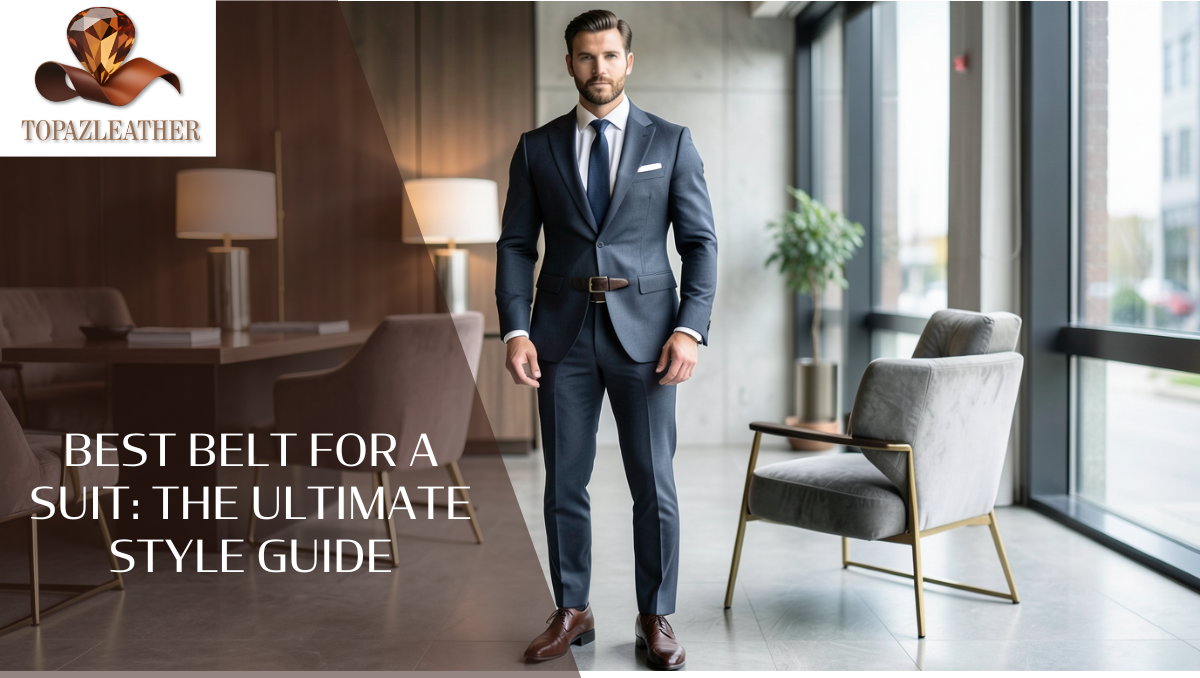
The modern gentleman understands that tailoring demands precision. A suit frames your presence, defines your silhouette, and communicates authority before you speak. Yet even the finest tailoring loses impact without the right accessories. Choosing the best belt for suit styling completes the look with quiet confidence. At Topaz Leather, we craft handmade belts that honour British heritage, champion full-grain leather, and elevate formalwear with enduring refinement. When a man searches for the best belt for a suit, he seeks more than a strip of leather. He seeks proportion, polish, and permanence. He expects a belt that enhances structured shoulders, sharp lapels, and tailored trousers without distraction. He values craftsmanship over fashion cycles. He invests in materials that age with dignity. That expectation shapes this definitive guide.
The role of the belt in British tailoring
Style traditions influence global menswear. Institutions such as the http://www.riba.org uphold architectural excellence through proportion and harmony. Tailoring follows the same principle. Balance governs everything. A belt must respect the line of the trouser waist, complement the jacket’s cut, and integrate seamlessly with footwear. The best belt for suit styling supports the body’s vertical line. It neither interrupts nor overwhelms. It creates cohesion between shoes and clothes. In formal business settings across London, Manchester, and Edinburgh, detail signals discipline. Professionals who follow business etiquette guidance reported by http://www.bbc.co.uk understand that subtle refinement strengthens credibility.
Why full-grain leather defines the best belt for a suit
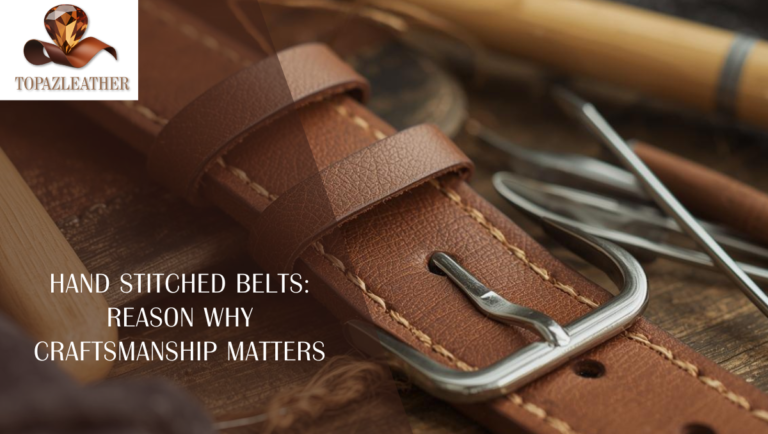
Material determines longevity. Full-grain leather preserves the hide’s natural surface, fibres, and strength. It develops patina rather than cracks. It resists stretching under tension. It carries depth of colour that synthetic alternatives cannot replicate. When selecting the best belt for a suit, choose full-grain leather over corrected or bonded leather. Bonded materials fragment over time—artificial coatings peel. Full-grain leather absorbs conditioning treatments and grows richer with wear. Organisations such as http://www.which.co.uk frequently advise consumers to prioritise material quality when investing in long-term wardrobe pieces. That advice aligns perfectly with luxury leather craftsmanship. At Topaz Leather, artisans cut each strap from premium hides, bevel the edges by hand, and burnish the surface until it achieves a smooth, refined finish. This dedication ensures that the best belt for a suit remains elegant through years of boardroom meetings, formal events, and celebratory occasions.
Colour coordination and British formality
Colour harmony elevates tailoring. The best belt for a suit always complements your shoes. Black leather pairs with charcoal, navy, and black suits. Dark brown leather enhances navy, mid-grey, and earthy tones—rich tan suits, lighter blue, and summer tailoring. Property and lifestyle publications such as http://www.housebeautiful.com/uk and http://www.idealhome.co.uk emphasise coordinated palettes within interiors. The same visual discipline applies to menswear. Cohesion communicates intention. Mismatched tones create visual tension. British wedding traditions often feature morning suits or navy tailoring. Venues listed on http://www.rightmove.co.uk often feature heritage estates with formal dress codes. In these environments, the best belt fora suit must look polished yet understated. A slim black full-grain belt with a brushed silver buckle delivers timeless authority.
Buckle design and proportional integrity
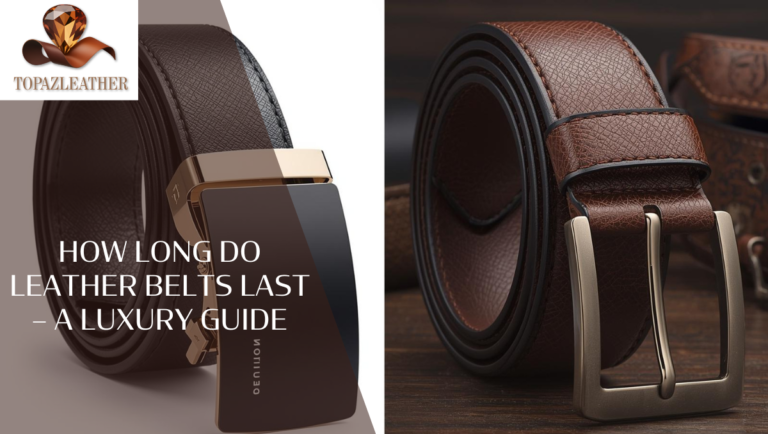
Excessive hardware undermines elegance. The best belt for a suit features a refined buckle, minimal branding, and balanced dimensions. A classic frame buckle in brushed steel or polished nickel complements formalwear without distraction. Architectural symmetry influences design across Britain, from historic townhouses highlighted by http://www.savills.co.uk to contemporary offices in Canary Wharf. A belt buckle should reflect similar restraint. Proportion matters. The width should measure approximately 30–35mm for formal trousers. Wider straps belong to casual denim, not tailored suits Handmade construction ensures structural integrity. Machine-pressed belts often rely on glue. Skilled artisans stitch and reinforce stress points, ensuring durability under daily wear and tear. This construction method distinguishes the best belt for a suit from disposable fashion.
Matching belts to business environments
The United Kingdom hosts a diverse range of professional settings. Financial institutions demand sharp tailoring. Creative industries embrace softer silhouettes. Government departments operating under standards outlined at http://www.gov.uk still expect professional attire during official engagements. In corporate finance or legal chambers, the best belt for a suit remains black, slim, and impeccably finished. In creative studios or consultancy firms, dark brown leather introduces warmth while maintaining authority. Each choice signals awareness of context. Confidence grows when every detail aligns. A handcrafted belt reassures the wearer that his appearance reflects discipline and discernment.
Seasonal tailoring and leather adaptability
Climates shift dramatically across seasons. Autumn and winter call for heavier flannel suits and deeper tones—spring and summer favour lighter wool and breathable fabrics. The best belt for a suit adapts through colour depth and finish rather than frequent replacement. Full-grain leather handles temperature changes without warping. Proper conditioning preserves suppleness despite humidity fluctuations reported in national climate discussions (http://www.theguardian.com/uk). Investing in quality reduces seasonal waste and supports sustainable consumption.
Ethical craftsmanship and conscious luxury
Modern consumers expect responsibility alongside refinement. Ethical sourcing and durable production reduce environmental impact. By choosing the best belt for you, which is crafted from responsibly sourced hides, you reduce reliance on synthetic alternatives that contribute to landfill waste. British consumers increasingly research purchasing decisions. Consumer awareness platforms such as http://www.which.co.uk encourage investment in durable goods rather than disposable fashion. Handmade leather aligns with that philosophy. It supports artisans, preserves heritage skills, and champions longevity over trend.
How to ensure a perfect fit
Precision defines tailoring. The best belt for a suit should fasten comfortably at the centre hole, allowing flexibility for minor waist adjustments. Measure from the buckle fold to the most-used hole on an existing belt. Add two inches to your trouser waist size for optimal fit. A correctly sized belt maintains clean lines. It avoids excess tail length. It supports posture and silhouette. This detail enhances the entire suit structure.
Maintenance and long-term refinement
Luxury demands care. After wearing it, clean your belt with a soft cloth. Apply a quality leather conditioner sparingly every few months. Store it flat or gently rolled to maintain shape. These simple habits protect your investment. Full-grain leather rewards attention. Over time, the best belt for a suit develops a unique patina that reflects personal history. That character distinguishes genuine craftsmanship from mass-produced alternatives.
The investment perspective
Property experts at http://www.savills.co.uk often describe long-term investments as assets that retain and increase value through quality fundamentals. The same principle applies to leather accessories. The best suit belt may cost more initially, yet it outperforms cheaper alternatives over the years of wear. Cost per wear decreases as durability increases. A single handcrafted belt can outlast several lower-quality replacements. That economic logic supports premium purchasing decisions.
Why handmade defines true luxury
Never shouts. It communicates through detail, weight, texture, and finish. The best belt for a suit feels substantial yet refined in hand. It carries the subtle scent of natural leather. It displays edge finishing completed by skilled craftsmen rather than automated presses. Handmade production ensures individual inspection at every stage. Artisans evaluate grain quality, stitch alignment, and buckle integrity before final approval. This human oversight guarantees excellence that automated lines cannot replicate. Topaz Leather upholds this standard with unwavering commitment to British-aligned craftsmanship values. Each belt reflects heritage, patience, and pride.
Elevate your tailoring with Topaz Leather.
Choosing the best belt fora suit transforms your wardrobe from adequate to exceptional. It reinforces the precision of your tailoring, honours British style traditions, and demonstrates discernment in every professional and formal setting. Experience handcrafted excellence with Topaz Leather. Discover premium full-grain leather belts designed to complement modern British tailoring with authority and refinement. Secure your investment in enduring style today.
Contact us directly to commission or order your handcrafted belt:
+447477227847
Hello@topazleather.com
www.topazleather.com
FAQs
Dark brown leather creates the most versatile pairing with a navy suit. Black also works for formal business settings. Choose the best belt for suit styling that matches your shoes precisely.
Yes. The best belt for a suit matches the colour family and finish of your shoes. Consistency strengthens visual harmony and professional credibility.
A handmade belt crafted from full-grain leather delivers superior durability, patina development, and structural integrity. The best belt for a suit prioritises craftsmanship over visible logos.
A formal belt should measure between 30mm and 35mm. The best belt for a suit maintains slim proportions that align with tailored trousers.
A high-quality full-grain leather belt can last many years with proper care. The best belt for a suit improves with age rather than deteriorating quickly.