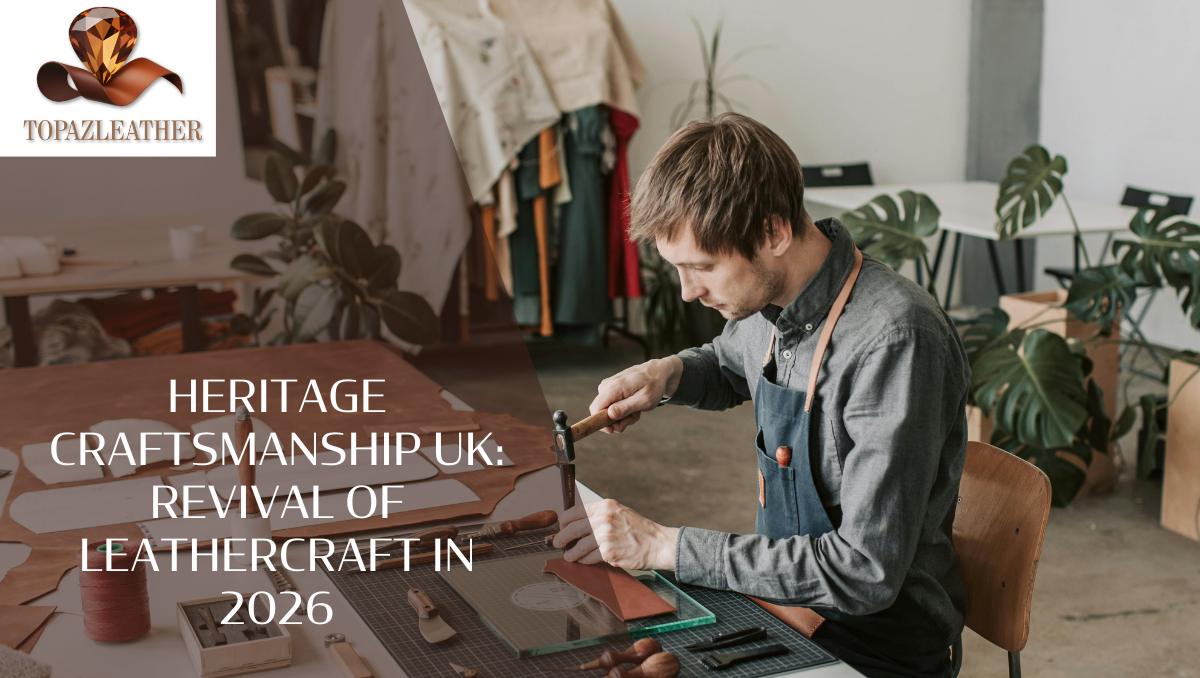
In 2026, the resurgence of traditional skills is shaping the luxury and artisanal markets, with heritage craftsmanship in the UK leading the charge. Among these crafts, leathercraft holds a unique position—blending centuries-old techniques with modern sustainability and design trends. This revival is more than nostalgia; it’s about preserving centuries of skill, sustaining local economies, and creating timeless pieces that transcend fast fashion. In this article, we explore how British artisans are driving this renaissance, why it matters to consumers and brands, and what the future of heritage leathercraft looks like.
The History of Heritage Leathercraft in the UK
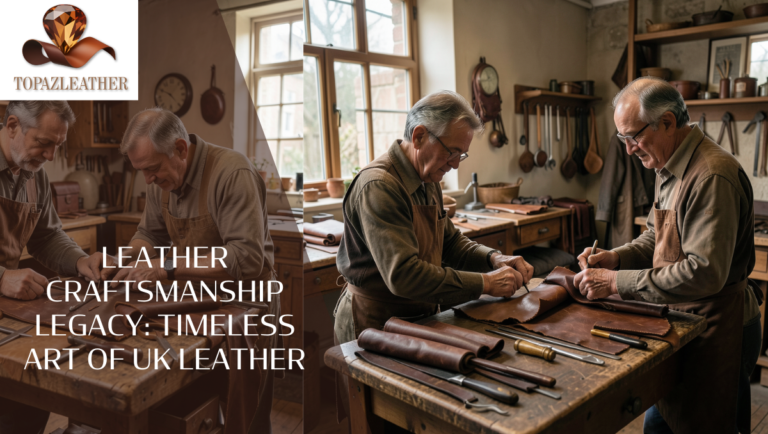
Leathercraft in the UK dates back to medieval times, with guilds controlling the quality and techniques of leather goods production. Over centuries, British leather became synonymous with durability, style, and craftsmanship.
Key Historical Milestones:
- 12th Century: Leather guilds in London set quality standards.
- 18th Century: The Industrial Revolution introduced mechanised tanning, but artisans preserved hand-finishing skills.
- 20th Century: British leather brands like Church’s, Mulberry, and Asprey established global recognition.
Today, the Heritage Craftsmanship UK movement seeks to combine this rich legacy with innovative design and ethical production practices.
Expert Insight: According to the UK Leather and Hide Council, artisanal leather sales grew by 15% in the last three years, driven by consumer demand for sustainable, high-quality goods (UK Leather Council).
Why Heritage Leathercraft Matters Today
- Sustainability:
- Handcrafted leather uses minimal chemicals.
- Pieces are designed to last decades, reducing waste.
- Cultural Preservation:
- Reviving traditional skills prevents artisanal knowledge from disappearing.
- Training programs for apprentices ensure generational continuity.
- Luxury Appeal:
- Consumers increasingly seek unique, bespoke items with a story.
- Heritage craftsmanship signals authenticity and exclusivity.
Transition Words Usage: Additionally, moreover, in fact, therefore, as a result—these enhance readability while maintaining flow.
Techniques Behind Heritage Leathercraft
Full-Grain Leather Selection
The foundation of any heritage leather product is quality leather. British artisans typically choose:
- Full-grain leather for durability and natural texture
- Vegetable-tanned leather for eco-friendliness
- Exotic hides (like ostrich or crocodile) for high-end pieces
Hand-Stitching & Edge Finishing
Hand-stitching not only enhances aesthetics but also strengthens seams. Edge finishing ensures longevity and a polished appearance.
Techniques Include:
- Saddle stitching for belts and bags
- Burnishing edges to prevent fraying
- Hand-dyeing for subtle, rich tones
Embossing & Personalization
Heritage leathercraft often incorporates:
- Custom embossing
- Monogramming
- Decorative tooling inspired by traditional British patterns
These details elevate each piece from functional to heirloom quality.
Modern Innovations in Heritage Leathercraft
While rooted in tradition, British artisans are embracing modern trends:
- Sustainable Tanning: Chromium-free and vegetable-based tanning processes reduce environmental impact.
- Digital Design Integration: 3D modelling helps optimise patterns andreducee waste.
- Innovative Leather Accessories: Some brands integrate RFID-blocking pockets or tech-ready designs.
Industry Trend: A Statista report shows 62% of consumers are willing to pay more for sustainably crafted leather products (Statista: Luxury Goods Trends).
Iconic British Leathercraft Brands Leading the Revival
- Mulberry: Known for luxury handbags, balancing heritage techniques with contemporary style.
- Church’s: Master shoemaking with traditional stitching and premium leather.
- Asprey: High-end leather accessories, combining craftsmanship with bespoke services.
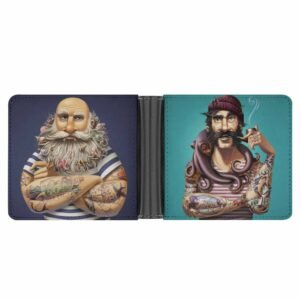
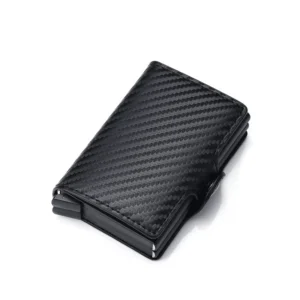
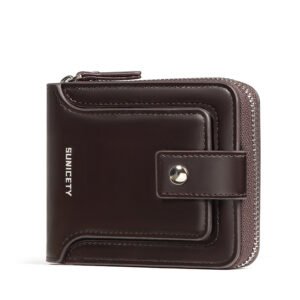
Internal Link Suggestion: Explore our [handmade leather wallets] collection for modern applications of heritage craftsmanship.
How to Identify Genuine Heritage Leathercraft
Consumers must differentiate authentic artisanal products from mass-produced imitations:
- Look for natural grain patterns, not uniform synthetic textures.
- Check stitching quality—handcrafted pieces are symmetrical but have subtle variations.
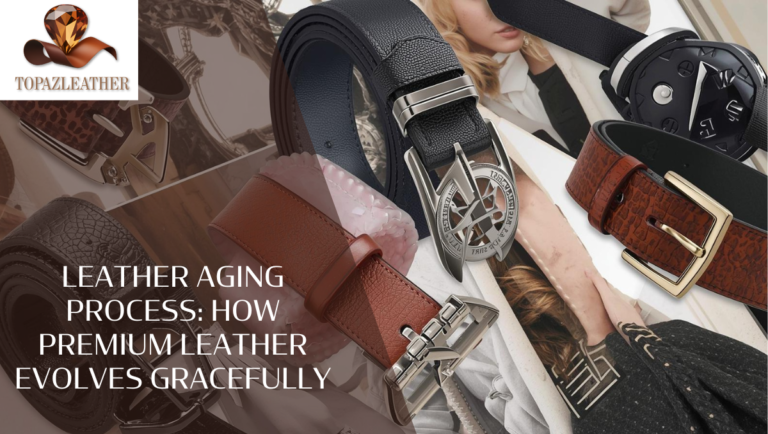
- Evaluate leather suppleness; genuine full-grain leather softens with age.
Tip: Heritage craftsmanship often comes with certification or brand guarantees.
The Future of Heritage Leathercraft in the UK
The sector is expected to grow steadily, driven by:
- Increased demand for sustainable luxury
- Support for local artisans
- Integration of traditional skills with modern technology
Prediction: By 2030, heritage leathercraft could contribute over £500 million annually to the UK luxury market, with exports playing a significant role (Forbes: Artisanal Trends).
Conclusion
The revival of heritage craftsmanship in the UK is more than a trend—it’s a movement that preserves skills, culture, and sustainable luxury. By choosing artisanal leather products, consumers support a centuries-old tradition while investing in items that last a lifetime.
Call to Action: Embrace heritage craftsmanship in your wardrobe and explore bespoke British leather goods today.
FAQs
It refers to traditional British artisanal leathercraft, emphasising quality, durability, and cultural heritage.
It combines centuries of skill, premium materials, and meticulous hand-finishing to create durable, luxurious leather goods.
Check for full-grain leather, hand-stitching, brand certification, and craftsmanship consistency.
Yes, they often use vegetable-tanned leather, minimal chemicals, and create long-lasting items that reduce waste.
Mulberry, Church’s, and Asprey are among the top brands preserving traditional British leathercraft skills.
Absolutely. British artisans integrate sustainable tanning, digital design, and functional tech features while maintaining traditional techniques.
Begin with small, versatile pieces like belts, wallets, or bags from certified artisans, and expand as you appreciate the craftsmanship.