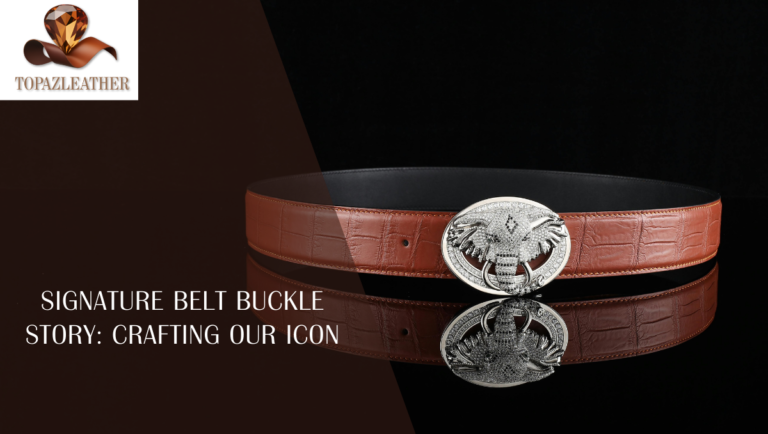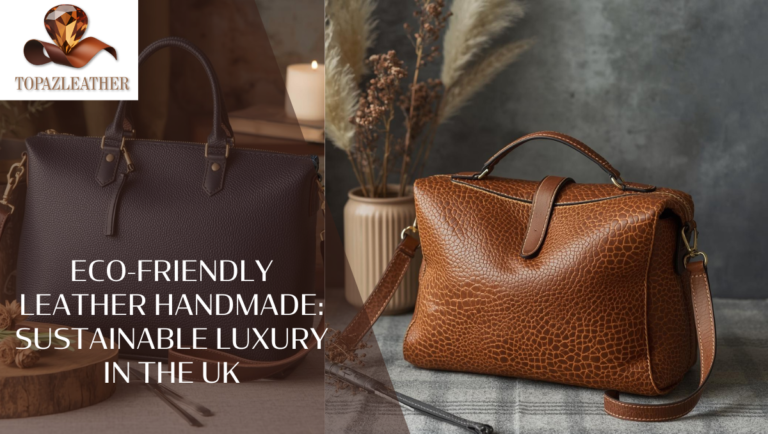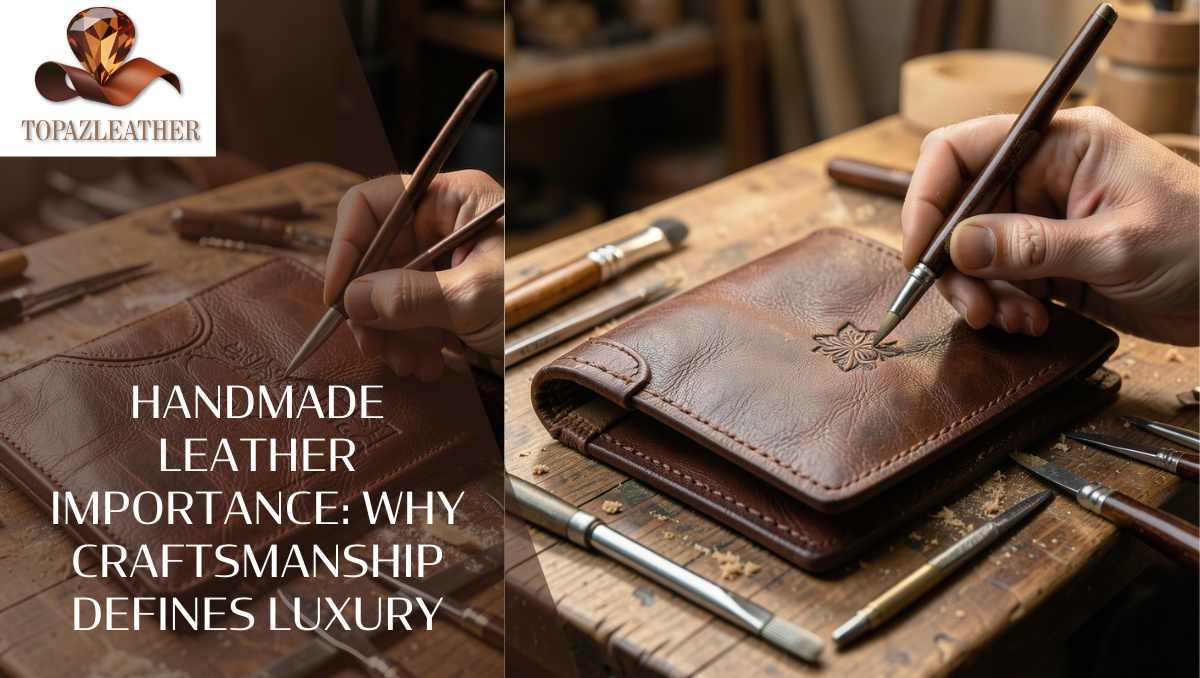
Understanding the handmade leather begins with recognising the subtle yet profound differences between machine-processed and artisanal leather products. Handmade leather embodies a meticulous attention to detail that automated processes cannot replicate, combining the expertise of skilled artisans with premium hides to create items of enduring quality. In the UK, discerning buyers increasingly value accessories, belts, and wallets that reflect the character, durability, and individuality of artisanal construction. Heritage, tactile beauty, and longevity converge, making handmade leather a defining standard of luxury. Resources like http://www.bbc.co.uk emphasise that material authenticity and craftsmanship influence both perceived and functional value in high-end leather goods.
The Craftsmanship Behind Handmade Leather
The importance of handmade leather lies in the expertise applied during cutting, stitching, and finishing. Each piece reflects precision, ensuring structural integrity and aesthetic refinement. Skilled artisans in the UK leverage decades of knowledge to identify optimal hide sections, preserving natural grain and creating products that age gracefully. Unlike mass-produced alternatives, handmade leather retains its character through subtle variations, natural markings, and hand-applied finishes. As noted by http://www.housebeautiful.com/uk, craftsmanship extends beyond function; it creates an emotional connection between the user and the product, enhancing both value and satisfaction.
Material Quality and Longevity
High-quality leather, such as full-grain hides, underscores the importance of handmade leather. These hides resist stretching, tearing, and wear while developing a distinguished patina over time. Proper selection and handling of leather underpin the durability and performance of belts, wallets, and other accessories. Industry experts at http://www.which.co.uk highlight that investing in superior materials ensures longevity, reduces the need for frequent replacements, and aligns with sustainable, ethical consumer practices.
Heritage and Emotional Value
Understanding the importance of handmade leather requires acknowledging its role in heritage and emotional attachment. Each product tells a story through its tactile feel, subtle imperfections, and unique patina. This personal connection differentiates handmade pieces from factory-made items. Studies shared by http://www.theguardian.com/uk show that consumers value items that convey history, skill, and authenticity, making artisanal leather more desirable for gifting, personal use, and long-term investment in style.
Precision in Stitching and Assembly
Meticulous stitching defines the importance of handmade leather. Every seam, edge, and reinforcement is executed to endure tension, daily use, and the passage of time. This precision ensures not only durability but also a refined aesthetic that conveys luxury. UK-based designers emphasise that hand-stitching prevents weaknesses common in machine-sewn belts and wallets, preserving the integrity of the accessory. For further reference, http://www.riba.org details how handcrafting techniques impact product longevity and visual sophistication in high-end materials.
Ethical Production and Sustainability
The ethical dimension reinforces the importance of handmade leather. Artisans adhere to responsible sourcing, limiting environmental impact while upholding fair labour practices. The UK government website, http://www.gov.uk, supports sustainable consumer choices, noting that handmade leather reduces waste through quality over quantity. Choosing handmade products contributes to a circular economy, promotes ethical craftsmanship, and strengthens the reputation of UK leather brands committed to sustainable luxury.
Design Versatility and Personalisation
Handmade leather enhances functionality through bespoke design and personalization, underscoring its value. Tailored belts, engraved wallets, and custom finishes cater to individual preferences, offering a unique ownership experience unattainable with mass production. Sources like http://www.idealhome.co.uk highlight that bespoke items integrate seamlessly into modern wardrobes while preserving timeless style, reinforcing the value of artisanal techniques for discerning UK consumers.
Care, Maintenance, and Longevity
Preserving the importance of handmade leather requires dedicated maintenance. Conditioning, cleaning, and proper storage sustain suppleness, prevent cracking, and protect against environmental damage. Experts at http://www.which.co.uk suggest that routine care helps prolong the accessory’s longevity and enhances its natural beauty. By committing to preservation, owners maintain both the aesthetic appeal and the functional integrity of handmade leather, transforming it into a lifetime investment.
Economic and Cultural Significance
Handmade leather carries economic and cultural weight, underscoring its importance. Supporting local artisans fosters craftsmanship traditions while sustaining the UK leather industry. Cultural appreciation for heritage techniques, as noted by http://www.savills.co.uk, ensures that skills, design knowledge, and artisanal excellence endure across generations. Investing in handmade leather promotes artisan livelihoods and preserves a national identity rooted in quality, innovation, and ethical production.
Emotional Connection and Luxury Experience
The importance of handmade leather extends to its emotional resonance with users. Unlike mass-produced items, artisan belts and accessories evoke pride, identity, and satisfaction. Their distinctive texture, refined finish, and thoughtful design elicit attachment, making every interaction a tactile and aesthetic pleasure. According to http://www.housebeautiful.com/uk, this emotional dimension elevates consumer experience, reinforcing why handcrafted leather defines true luxury in the UK market.
The Lasting Value of Handmade Leather
Ultimately, the importance of handmade leather lies in its enduring value, blending artistry, ethical production, and premium-quality materials. Every piece embodies heritage, longevity, and individuality. By investing in handmade leather, consumers in the UK acquire more than an accessory; they secure a testament to craftsmanship, sustainability, and timeless style. Artisanal methods ensure that leather ages gracefully, develops character, and continues to reflect the skill and dedication of its creators, elevating both functionality and prestige.
+447477227847
Hello@topazleather.com
www.topazleather.com
FAQs
Handmade leather offers superior durability, craftsmanship, and unique character that machines cannot replicate.
Regular cleaning, conditioning with neutral leather oils, and proper storage maintain suppleness and longevity.
Yes, high-quality full-grain leather develops a natural patina over time, enhancing its aesthetic and value.
Handmade leather supports ethical sourcing, reduces waste, and promotes responsible artisan production.
Topaz Leather offers expertly crafted belts and accessories that blend heritage, luxury, and sustainable practices.