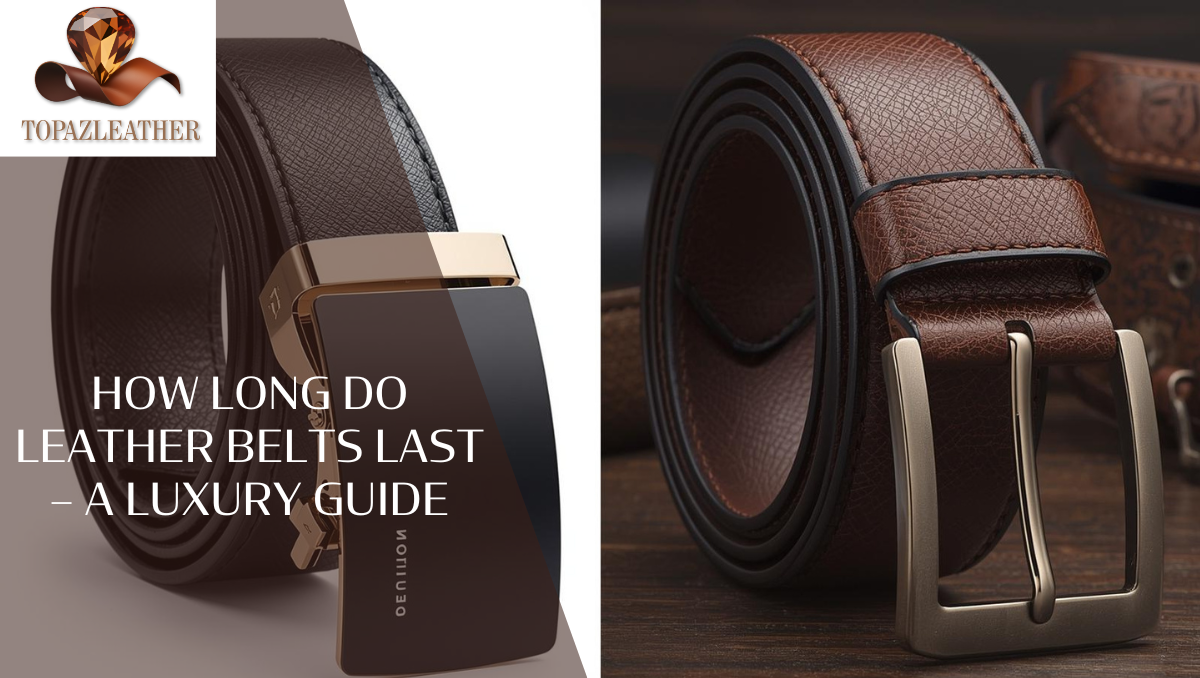
When discerning buyers ask, “How long do leather belts last?” they seek more than a simple timeframe. They want assurance that their investment in craftsmanship, material quality, and heritage delivers lasting value. In the United Kingdom, where tailoring traditions and artisanal standards shape personal style, a quality leather belt should serve faithfully for years, often decades. Longevity depends on the leather grade, the integrity of the construction, daily wear habits, and proper care.
Understandinghoww long leather belts last requires clarity about what defines quality. A mass-produced bonded-leather belt may last a year or two with moderate use. A full-grain, handmade leather belt crafted by skilled British artisans can last 10 years or more and develop a rich character. The difference lies not in appearance alone, but in fibre structure, tanning expertise, and finishing precision.
How long do leather belts last with Full-Grain Leather
When buyers research how long leather belts last, they often encounter the term full-grain leather. Full-grain leather retains the hide’s strongest outer layer. This surface contains dense, tightly interwoven fibres that resist stretching and tearing. Artisans cut belts from this section to maximise strength and durability.
Full-grain leather belts often last well beyond a decade when worn regularly and maintained properly. The material adapts to the wearer’s shape without losing structural integrity. It gains patina rather than damage. Over time, colour deepens, and surface character enhances visual appeal.
British consumers increasingly prioritise quality over disposability. Publications such as https://www.theguardian.com/uk frequently examine the environmental impact of fast fashion and short-lived accessories. A well-crafted leather belt counters that culture by offering longevity and refinement in equal measure.
How long do leather belts last with Top-Grain and Genuine Leather
Shoppers who ask, “How long do leather belts last?” also encounter the classifications of top-grain and genuine leather. To remove flaws, top-grain leather is lightly sanded. It maintains strength but lacks the untouched density of full-grain. A top-grain belt can last five to eight years under normal use.
Genuine leather, despite its reassuring name, often refers to lower layers of hide. Manufacturers sometimes process these layers heavily to improve appearance. Such belts can last three to five years, depending on thickness and construction quality.
Consumer guidance platforms such as https://www.which.co.uk encourage buyers to understand product labelling and material standards before purchasing. Informed decisions extend product life and improve long-term satisfaction.
Craftsmanship Determines How long leather belts last
Material alone does not answer the question, “How long do leather belts last?” Construction plays an equally decisive role. Skilled artisans select strong sections of hide, cut precise strap widths, and reinforce stress points around buckle holes. They secure buckles with solid rivets or stitching rather than weak adhesives.
Hand-burnished edges reduce fraying and protect fibre layers. Quality thread and saddle stitching enhance structural stability. A belt crafted with meticulous attention to detail withstands repeated fastenings and daily strain without distorting.
The Royal Institute of British Architects (https://www.architecture.com) promotes structural integrity in architecture. The same principle applies to leather goods. Strong foundations ensure longevity. Precision artistry ensures that belts endure years of wear.
Daily Wear and Lifestyle Influence Longevity
The question of how long leather belts last also depends on lifestyle. A belt worn daily with heavy denim or workwear endures more strain than one paired with tailored trousers only occasionally. Frequent tightening, bending, and exposure to moisture accelerate wear.
However, quality leather responds resiliently. Natural fibres flex and recover shape. They resist cracking when properly conditioned. Owners who rotate belts and store them correctly significantly extend their lifespan.
British lifestyle publications such as https://www.housebeautiful.com/uk/ regularly highlight mindful ownership and quality investment pieces within wardrobes. Rotating accessories helps preserve structure and enhance long-term performance.
Climate and Environment in the UK
Climate plays a subtle yet meaningful role in how long leather belts last. The UK’s variable weather introduces humidity, rain, and seasonal temperature shifts. Genuine leather tolerates these changes when owners dry it naturally and apply conditioning balm periodically.
The Department for Environment, Food and Rural Affairs (https://www.gov.uk/government/organisations/department-for-environment-food-rural-affairs) promotes sustainable product care and waste-reduction practices. Extending the life of leather goods reduces landfill pressure and supports responsible consumption.
Synthetic belts often crack when exposed to repeated moisture and drying cycles. Genuine leather maintains flexibility and integrity under comparable conditions.
Maintenance Extends: How long do leather belts last
Proper care dramatically influenceshoww long leather belts last. Owners who wipe surface dirt, avoid excessive water exposure, and apply nourishing leather balm every few months protect the fibre structure and finish.
Conditioning replenishes natural oils that maintain suppleness. Storing belts flat or gently rolled prevents unnecessary creasing. Avoiding extreme heat sources protects against brittleness.
This proactive care transforms a belt from a temporary accessory into a lasting wardrobe companion. Quality leather rewards attention with enduring strength and elegance.
Sustainability and Long-Term Value
Many UK buyers ask How long do leather belts last because they seek sustainable value. Fast fashion encourages short-term ownership and rapid disposal. Durable leather goods challenge that cycle.
Media outlets such as https://www.bbc.co.uk frequently report on consumer responsibility and sustainable purchasing decisions. A belt that lasts a decade reduces cumulative environmental impact compared with several synthetic replacements.
Property investment logic often mirrors this principle. Analysts at https://www.savills.co.uk and https://www.rightmove.co.uk emphasise long-term value over short-term gain in property markets. The same thinking applies to leather belts. Higher initial cost often delivers superior longevity and lower replacement frequency.
Signs of a Belt Built to Last
Buyers who explore the question “How long do leather belts last?” should examine physical details before purchase. Thick, substantial leather indicates durability. Clean edge finishing suggests careful craftsmanship. Solid brass or stainless steel buckles resist corrosion and distortion.
Precise stitching around buckle attachments prevents stress tears. Evenly spaced holes preserve structural balance. Artisans who prioritise heritage techniques create belts that withstand years of fastening and adjustment.
Luxury retail standards across Britain consistently emphasise construction quality. Design and material must align with function. A belt that balances strength and elegance reflects thoughtful engineering.
Patina Versus Damage
One key distinction in understanding how long leather belts last lies in recognising patina rather than mistaking it for deterioration. Patina enhances appearance through natural wear patterns and subtle colour shifts. It signals authenticity and maturity.
Cracking, peeling, and splitting indicate inferior material or neglect. Genuine full-grain leather develops a sheen and depth rather than surface failure. This transformation elevates aesthetic appeal over time.
Home and design authorities such as https://www.idealhome.co.uk frequently celebrate materials that age gracefully within interiors. The same appreciation extends to personal accessories.
Investment Thinking and British Heritage
The enduring question of how long leather belts last ultimately connects to heritage and craftsmanship. Britain’s tailoring traditions value durability and understated refinement. A belt should complement fine footwear, structured blazers, and tailored trousers for years without losing integrity.
Heritage leather goods echo equestrian and military traditions rooted in resilience. These influences shaped generations of British design. Genuine leather belts carry forward that legacy through material authenticity and structural strength.
When buyers choose handmade British belts, they support artisans who prioritise longevity over speed. That decision strengthens local craftsmanship and sustains traditional skill sets.
Realistic Expectations for Lifespan
When clients ask, “How long do leather belts last?” experienced craftspeople answer with confidence grounded in material science and practical observation. A full-grain, handmade leather belt often lasts 10 to 15 years with regular use and proper care. Occasional wear and consistent maintenance can further extend the lifespan.
Top-grain belts typically last 5 to 8 years. Lower-grade genuine leather belts may last 3 to 5 years before showing structural fatigue. Bonded leather or synthetic alternatives often fail within one to three years.
These ranges reflect average use patterns within the UK. Individual experience varies based on care, rotation, and environmental exposure.
The Value of Handmade British Craftsmanship
Handmade British belts elevate the answer to ‘How long do leather belts last‘ beyond mere numbers. Artisans select hides thoughtfully, avoid weak sections, and shape each strap with purpose. They finish edges by hand and inspect every detail before completion.
This dedication ensures structural consistency and aesthetic integrity. Customers receive a product designed not only for immediate style but for enduring performance. Quality craftsmanship transforms leather into a long-term investment.
Conclusion Without Compromise
The question How long do leather belts last deserves a confident, informed answer. A high-quality, precision-crafted full-grain leather belt can last a decade or more. It will mould to its owner, develop distinguished patina, and retain structural strength. Inferior materials and rushed production drastically shorten lifespan.
Discerning UK buyers who prioritise heritage, sustainability, and timeless design choose genuine leather for its endurance and refinement. They recognise that durability defines true luxury.
Call to Action
Choose a belt that honours British craftsmanship and stands the test of time. At Topaz Leather, we craft premium handmade leather belts from carefully selected full-grain hides, ensuring exceptional durability and refined elegance for years to come.
Invest in quality that answers the question, “How long do leather belts last?” with confidence and proof. Contact us for bespoke designs or personalised guidance today.
+447477227847
Hello@topazleather.com
www.topazleather.com
FAQs
A full-grain leather belt should last ten years or more with proper care and regular maintenance.
Leather belts mould slightly to the wearer’s shape, but high-quality full-grain leather retains structure and avoids excessive stretching.
Lower-grade or bonded leather lacks a strong fibre structure, which leads to cracking under stress and repeated bending.
Regular conditioning preserves flexibility, prevents dryness, and significantly extends durability.
A handmade belt offers superior construction, stronger materials, and a longer lifespan, delivering exceptional long-term value.