Prevent leather cracking with expert care.e
Premium leather commands respect. It rewards attention, matures with character, and reflects craftsmanship at its finest. Yet even the highest quality full-grain hide will deteriorate if owners neglect proper maintenance. This guide explains exactly how to prevent leather cracking and protect your investment for decades. Whether you own a handmade leather belt, wallet, or bag, you must understand how leather behaves within the British climate and how daily habits influence its longevity.
Modern UK consumers increasingly value durability over disposability. Coverage from https://www.bbc.co.uk highlights the national shift toward longer-lasting fashion choices. When you choose premium leather, you commit to stewardship. You preserve not only material integrity but also artisan heritage. To prevent leather cracking, you must combine knowledge, consistency, and refined care.
Understanding Why Leather Cracks
Before you can effectively prevent leather cracking, you must understand its cause. Leather contains natural oils and tightly woven fibres. These fibres maintain flexibility when they retain adequate moisture and nourishment. Environmental stress, friction, and neglect gradually deplete these oils. Once fibres dry excessively, they lose elasticity and begin to fracture under pressure.
The UK climate features fluctuating humidity and seasonal temperature changes. The Met Office (https://www.gov.uk/government/organisations/met-office) regularly reports seasonal shifts that influence indoor and outdoor conditions. Central heating during winter significantly lowers indoor humidity. Dry air accelerates moisture loss within leather fibres. Without conditioning, the surface stiffens, then cracks.
Full-grain leather resists damage better than corrected leather because it retains the strongest fibre layer. However, even premium hides demand regular care. Craftsmanship enhances durability, yet maintenance ensures longevity.
Choose Full-Grain Leather from the Start
The most effective strategy to prevent leather cracking begins before purchase. Material selection determines long-term resilience. Full-grain leather preserves the outermost hide layer, which contains dense fibres and natural grain structure. This composition supports flexibility and breathability.
Lower-grade leather is often sanded and coated. These treatments create visual uniformity but reduce structural integrity. Over time, surface coatings may split, revealing underlying weakness. In the context of British craftsmanship, quality material remains non-negotiable. Organisations such as the Leather Working Group (https://www.leatherworkinggroup.com) promote responsible tanning and high production standards that strengthen fibre performance.
When you invest in artisan-made leather goods, you secure a foundation that supports your efforts to prevent leather cracking for years to come.
Control Your Storage Environment
Storage plays a decisive role in preventing leather cracking. Leather thrives in stable, moderate environments. Extreme dryness or excessive heat accelerates deterioration. Interior design publications such as https://www.housebeautiful.com/uk emphasise the importance of balanced indoor climates for preserving furnishings. Leather accessories require similar attention.
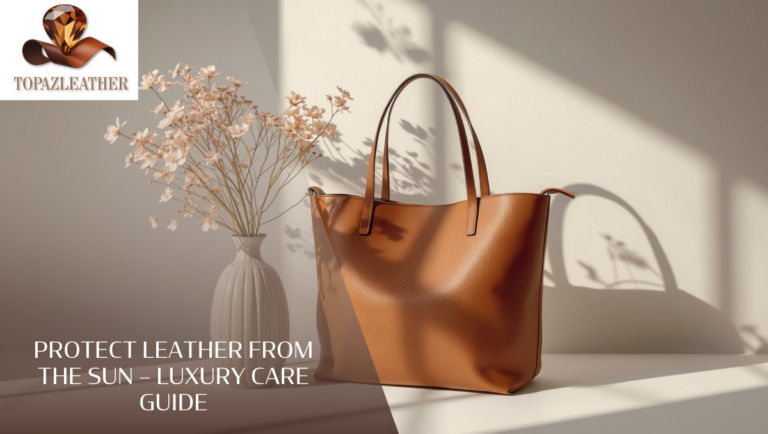
Store belts and bags in breathable cotton dust bags rather than sealed plastic containers. Plastic traps moisture and encourages mould growth. Choose cool, dry areas away from direct sunlight or radiators. Sunlight fades pigment and extracts moisture from the grain.
Property experts at https://www.rightmove.co.uk often showcase well-organised dressing rooms that protect garments and accessories. Structured storage not only elevates aesthetics but also preserves the condition of the materials. A thoughtful wardrobe environment helps you actively prevent leather cracking.
Clean Gently and Regularly
Surface dirt accelerates fibre breakdown. Dust and grime absorb moisture from leather, creating micro-abrasions. To prevent leather from cracking, wipe leather items with a soft, dry cloth after use. This simple routine removes debris before it penetrates the grain.
For deeper cleaning, use a pH-balanced leather cleaner formulated for full-grain hides. Apply the cleaner lightly with a damp cloth, avoiding excessive water. Which? At https://www.which.co.uk, it consistently advises consumers to follow product-specific care instructions to avoid damage. Controlled cleaning protects the surface while preserving natural oils.
Never soak leather in water or expose it to harsh chemicals. Excess moisture disrupts fibre balance and promotes stiffness during drying. Gentle cleaning forms a foundational step in any strategy to prevent leather cracking.
Condition with Precision and Discipline
Conditioning is the most powerful method for preventing leather cracking. Leather loses its natural oils over time due to friction, exposure, and environmental changes. High-quality leather conditioner replenishes these oils and restores suppleness.
Apply conditioner sparingly with a soft cloth. Massage it evenly across the surface and allow it to absorb gradually. Buff gently to restore natural sheen. Avoid over-application, as excess product may clog pores and attract dust.
British winters intensify indoor dryness. Architectural guidance from https://www.architecture.com explains how modern insulation efficiently retains heat, reducing indoor humidity. You should increase conditioning frequency slightly during colder months to counteract this dryness. Regular nourishment maintains fibre flexibility and significantly reduces the risk of cracking.
Protect Against Rain and Moisture Imbalance
While dryness causes cracking, uncontrolled moisture also damages leather. To truly prevent leather cracking, you must maintain balance. Rain exposure demands immediate attention. If leather becomes wet, blot the moisture gently with a clean cloth. Allow it to air dry naturally at room temperature.
Never accelerate drying with hairdryers or radiators. Rapid heat strips natural oils and stiffens fibres. After drying, apply a light conditioner to restore equilibrium. Publications such as https://www.theguardian.com/uk frequently address sustainable consumption habits. Proper aftercare extends lifespan and reduces unnecessary replacement.
Protective sprays designed for premium leather can enhance resistance against light rain. Always select breathable formulas that preserve natural texture.
Rotate Usage to Reduce Stress
Frequent, repetitive stress weakens leather fibres. If you wear the same belt daily, stress concentrates around buckle holes and bends. To prevent leather cracking, rotate between leather accessories. Rotation allows fibres to recover and maintain flexibility.
Savills (https://www.savills.co.uk) often highlights the value of preserving high-end assets through strategic care. Leather goods represent personal assets that benefit from thoughtful rotation. Balanced usage prevents strain accumulation and enhances structural longevity.
Avoid Overstretching and Excessive Tension
Excess tension accelerates cracking. When fastening a belt, choose the correct size to avoid it pulling too tightly beyond its natural curvature. Overstretching creates stress fractures within the grain.
Handmade belts typically offer precise sizing and superior structural reinforcement. Artisans align grain direction to support flexibility without distortion. This attention to detail supports long-term efforts to prevent leather cracking. Proper fit protects both comfort and durability.
Invest in Professional Maintenance When Needed
Even with disciplined care, long-term wear may require professional attention. Surface dryness, minor cracks, or loose stitching benefit from expert restoration. Skilled leather specialists can recondition fibres, refinish edges, and restore suppleness without compromising authenticity.
Avoid DIY repairs with household adhesives or harsh solvents. These products often worsen the damage. Professional maintenance aligns with the same principles that guide heritage property preservation across the UK. Thoughtful intervention ensures longevity and upholds the integrity of craftsmanship.
Embrace Sustainable Ownership
Efforts to prevent leather cracking extend beyond maintenance. They reflect a broader commitment to sustainability. BBC coverage at https://www.bbc.co.uk continues to spotlight the environmental impact of fast fashion. When you care for leather goods properly, you reduce replacement frequency and minimise waste.
Handcrafted leather belts and accessories embody durability: ethical sourcing, responsible tanning, and meticulous production support environmental responsibility. Proper care honours the artisans who shape each hide and ensures their work remains valued for generations.
Luxury Demands Stewardship
Luxury thrives on responsibility. When you choose premium leather, you assume the role of custodian. To prevent leather cracking, you must adopt consistent habits that preserve flexibility, nourish fibres, and protect against environmental extremes. Leather responds to care with beauty and longevity.
A well-maintained belt or bag develops a rich patina that reflects years of confident wear. Cracking signals neglect. Suppleness signals stewardship. Through disciplined cleaning, conditioning, storage, and rotation, you secure decades of refined performance.
Elevate Your Leather with Topaz Leather
At Topaz Leather, we craft full-grain leather goods designed to last for decades. Our artisans select premium hides, apply precise construction methods, and finish every piece with attention to heritage. When you follow this guidance to prevent leather cracking, you protect not only the material but also the legacy.
For bespoke advice, premium handmade leather belts, and expert care recommendations tailored to UK conditions, connect with us today.
+447477227847
Hello@topazleather.com
www.topazleather.com
FAQs
Leather cracks when natural oils dry out due to heat, low humidity, neglect, or excessive tension.
You should condition full-grain leather every 3 to 6 months, and increase the frequency during winter.
Excess water, followed by rapid drying, strips oils, leading to stiffness and increasing the risk. of cracking
Full-grain leather resists cracking better because it retains dense fibres and natural strength.
Minor surface cracks can improve with conditioning, but deep cracks require professional restoration.