Emotional value of handcrafted goods and modern luxury
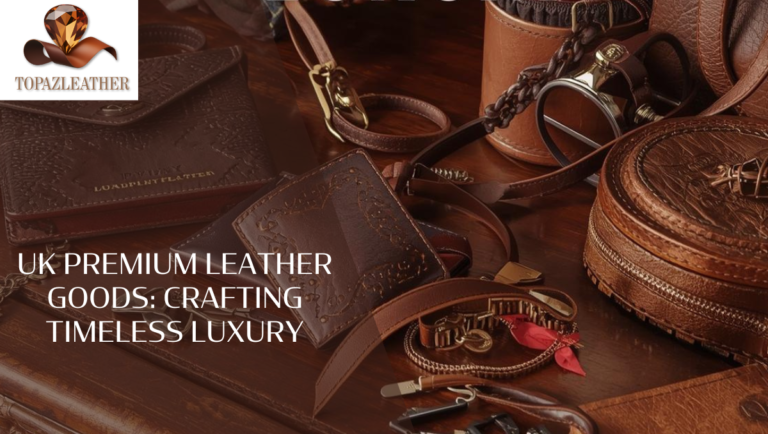
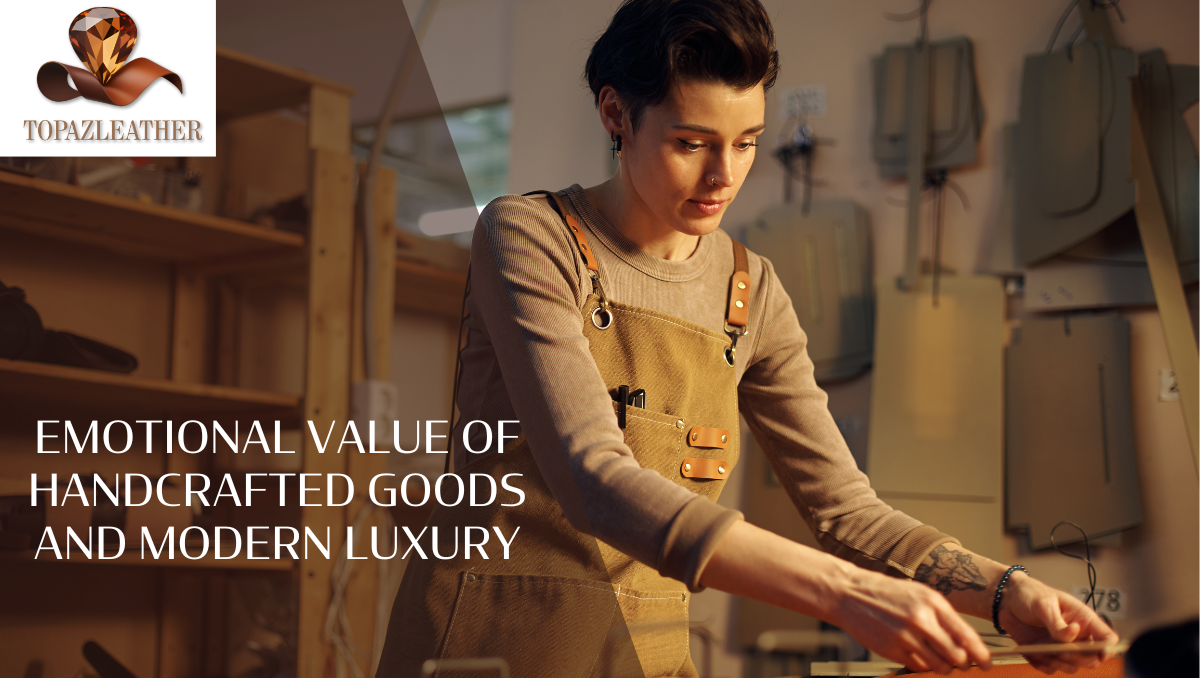
The emotional value of handcrafted goods defines modern luxury in an age dominated by speed, automation, and disposability. Consumers no longer seek objects alone. They seek meaning, story, and connection. Handcrafted leather products answer that desire through human touch, time-honoured skill, and intentional creation. At Topaz Leather, we recognise craftsmanship as an emotional language that speaks directly to those who value authenticity and permanence. The emotional value of handcrafted goods begins with human involvement at every stage of creation. An artisan selects the hide, assesses its grain, and works with its natural characteristics rather than forcing uniformity. This human judgement introduces individuality that machines cannot replicate. Each stitch carries intention. Each cut reflects experience. This connection transforms a leather belt or wallet into a personal object rather than a generic product. Cultural institutions such as the Crafts Council UK highlight how handmade objects carry the presence of their makers and foster emotional attachment through authenticity (https://www.craftscouncil.org.uk).
Time as a luxury in the emotional value of handcrafted goods
The emotional value of handcrafted goods stems from the time. Invested Artisans dedicate hours, sometimes days, to a single piece. This commitment contrasts sharply with mass production, where speed replaces care. Time allows materials to respond naturally, edges to receive careful finishing, and details to reach perfection. Owners sense this dedication immediately, which deepens appreciation and respect for the finished product. British luxury commentary frequently recognises time-intensive craft as a defining marker of quality, a principle reinforced by heritage discussions from https://www.vam.ac.uk.
Storytelling and memory within the emotional value of handcrafted goods
The emotional value of handcrafted goods thrives on storytelling. A handmade leather accessory carries a narrative of origin, skill, and purpose. Owners remember where they acquired it, why they chose it, and how it accompanied essential moments. Over time, the leather develops patina, and the object records life experiences through wear. These evolving marks strengthen emotional bonds rather than diminish value. Heritage and storytelling remain central to British luxury culture, as reflected in institutions such as https://www.heritagecrafts.org.uk, which document endangered crafts and their cultural significance.
Authenticity as a pillar of the emotional value of handcrafted goods
The emotional value of handcrafted goods relies on authenticity. Handcrafted leather displays natural grain variation, subtle tonal shifts, and organic texture. These characteristics signal honesty and transparency. Consumers trust what they can see and feel. Authenticity reassures buyers that artisans created the product with integrity rather than shortcuts.
The British Fashion Council regularly emphasises authenticity as a core consumer expectation in premium markets (https://www.britishfashioncouncil.co.uk).
Craftsmanship, heritage,e and the emotional value of handcrafted goods
The emotional value of handcrafted goods draws strength from heritage. Leathercraft represents one of the world’s oldest skilled trades, refined across generations. When artisans apply traditional techniques today, they preserve cultural knowledge and honour those who shaped the craft before them. Owners sense continuity and stability through these practices, especially in uncertain modern contexts. Leather industry authorities such as the Society of Leather Technologists and Chemists provide insight into traditional methods and material knowledge at https://www.slts.org.
Emotional durability versus physical durability
The emotional value of handcrafted goods extends beyond physical longevity. While premium leather resists wear and ages gracefully, emotional durability ensures that owners continue to cherish an item rather than replace it. Emotional attachment reduces waste and encourages mindful consumption. This behaviour aligns with modern sustainability values embraced across the UK. Sustainability organisations such as WRAP UK highlight product longevity as a key factor in reducing environmental impact (t https://wrap.org)uk.
Personal identity expressed through the emotional value of handcrafted goods
The emotional value of handcrafted goods allows individuals to express their identity subtly. A handmade leather accessory conveys discernment, patience, and a commitment to quality. Unlike logo-driven fashion, handcrafted pieces signal confidence without overt branding. Owners deliberately choose these items, which reinforce personal values through everyday use. UK lifestyle publications consistently associate understated craftsmanship with refined taste and authenticity.
The sensory experience and the emotional value of handcrafted goods
The emotional value of handcrafted goods fully engages the senses. The scent of natural leather, the warmth of hand-finished edges, and the suppleness of full-grain hides create tactile satisfaction. Sensory pleasure strengthens emotional response and encourages repeated interaction. Each use reinforces attachment through familiarity and comfort. Museums and conservation bodies recognise sensory engagement as fundamental to material appreciation, a theme explored by https://www.vam.ac.uk through their craft and design exhibitions.
Ethical production and emotional reassurance
The emotional value of handcrafted goods includes ethical reassurance. Consumers increasingly seek transparency in sourcing and production. Handmade leather goods often originate from smaller workshops that prioritise responsible practices. Ethical production creates peace of mind and a sense of ownership, deepening emotional satisfaction.
The Leather Working Group promotes responsible leather sourcing and transparency across the industry at https://www.leatherworkinggroup.com.
Handmade leather as a counterpoint to disposability
The emotional value of handcrafted goods rises in opposition to disposable culture. Mass-produced accessories often lack meaning and are prone to frequent replacement. Handcrafted leather encourages long-term ownership and care. Owners repair, maintain, and protect these items because emotional investment justifies effort.
Consumer advocacy groups in the UK consistently link emotional attachment with reduced consumption and improved value perception, as discussed by https://www.which.co.uk.
Gifting and the emotional value of handcrafted goods
The emotional value of handcrafted goods intensifies through gifting. A handmade leather wallet or belt carries symbolic weight because it reflects thoughtfulness and respect for the recipient. The giver communicates care by choosing an object created through skill rather than speed. This emotional resonance transforms a gift into a lasting reminder of a relationship and intention. British retail analysis frequently highlights experiential and emotional gifting trends across premium markets.
Craftsmanship, confidence,e and trust
The emotional value of handcrafted goods builds trust between maker and owner. Artisans stake their reputation on each piece. This accountability fosters confidence and loyalty. Owners feel reassured when they understand who created their product and how it was created. Trust enhances emotional attachment and repeat engagement.
Trade bodies such as the British Retail Consortium discuss trust as a cornerstone of premium brand relationships at https://www.brc.org.uk.
Patina and evolving meaning
The emotional value of handcrafted goods evolves through patina. Natural leather records time through subtle darkening, softening, and surface character. These changes narrate use and experience rather than damage. Owners witness a transformation that mirrors their own journeys, which strengthens emotional connection.
Leather experts widely recognise patina as a hallmark of quality rather than a flaw.
Modern luxury redefined by the emotional value of handcrafted goods
The emotional value of handcrafted goods reshapes the definition of luxury. Modern consumers reject excess in favour of substance. Craftsmanship, integrity, and emotional depth replace status symbols. Handmade leather accessories embody this shift by offering quiet confidence and enduring relevance.
UK luxury commentary increasingly frames craftsmanship as future-facing rather than nostalgic.
The Topaz Leather perspective on emotional value
The emotional value of handcrafted goods guides everything we create at Topaz Leather. We design leather goods to accompany life, accumulate memories, and reflect individuality. Our artisans work with premium hides, traditional techniques, and modern precision to ensure every piece feels personal. We believe actual luxury lives in connection rather than consumption.
Ownership pride and legacy
The emotional value of handcrafted goods often inspires owners to pass items down through generations. A well-made leather accessory becomes a legacy object rather than a temporary possession. This continuity enhances emotional meaning and reinforces appreciation for craftsmanship as cultural heritage.
Heritage preservation organisations frequently emphasise the role of objects in storytelling and identity formation.
Emotional intelligence in purchasing decisions
The emotional value of handcrafted goods influences purchasing decisions more deeply than price or trend. Buyers choose handmade leather because it aligns with personal values and emotional priorities. This alignment creates satisfaction that outlasts novelty.
UK market research consistently shows rising demand for meaningful luxury experiences.
Experience craftsmanship that connects beyond the surface
Discover handmade leather goods designed to carry meaning, memory, and lasting quality. Speak with our team to explore premium pieces crafted with purpose and emotional depth.
+447477227847
Hello@topazleather.com
www.topazleather.com
FAQs
The emotional value of handcrafted goods feels stronger because human skill, time, and intention create a personal connection and authenticity.
Leather craftsmanship enhances the emotional value of handcrafted goods through tactile quality, patina development, and long-term use.
Handmade leather goods last longer emotionally because owners form attachment through care, memory, and evolving character.
The emotional value of handcrafted goods supports sustainability by encouraging long-term ownership and reducing waste.
Luxury buyers prioritise the emotional value of handcrafted goods because modern luxury values meaning, authenticity, and connection over excess.