Why Craft Defines Modern Luxury
Introduction:
Craft over mass production defines the philosophical divide between objects created with purpose and products manufactured for volume. In the world of luxury leather, this distinction shapes value, trust, and longevity. At Topaz Leather, craft over mass production is not a marketing phrase—it is a working principle that honours British heritage, protects material integrity, and delivers enduring refinement. True luxury rejects speed in favour of mastery and prioritises meaning over margin.
Respect for the Maker: Skill as the Foundation of Luxury
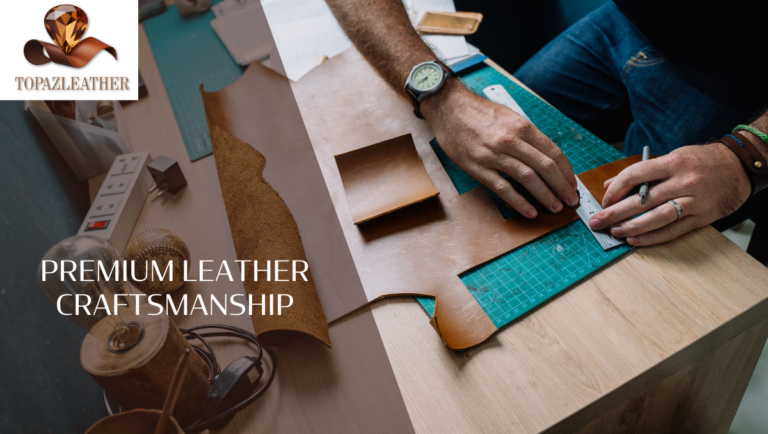
Craft over mass production begins with respect for the maker. Skilled artisans invest years refining their understanding of leather behaviour, hand tools, and finishing techniques. Every movement reflects intention rather than automation.
British craft traditions recognise hand skill as cultural capital that sustains quality and identity. This respect for human expertise defines authentic luxury.
Internal link: Discover how artisan skill shapes outcomes in The Leather Crafting Process.
Respect for Material: Leather Treated as Heritage, Not Commodity
Craft over mass production also honours the material itself. Full-grain leather responds to careful handling, thoughtful cutting, and patient finishing. Craftsmanship celebrates natural variation as character rather than defect.
Mass production often treats leather as a commodity, correcting and coating surfaces to mask inconsistency—sacrificing integrity for uniformity.
Internal link: Understand material honesty in Genuine Leather vs Whole Grain Explained.
How Craft Shapes Ageing, Patina, and Character
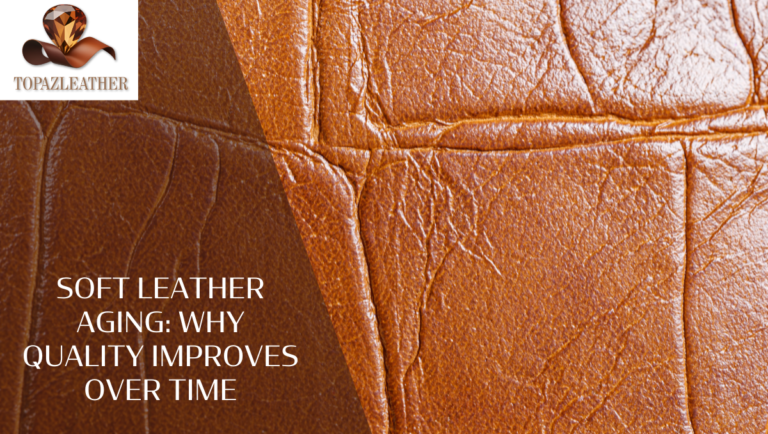
Craft over mass production influences how products age. Handmade leather goods develop patina that records experience and ownership. Each mark adds narrative rather than diminishing value.
Mass-produced items rely on synthetic finishes that crack, peel, or fade. Historic leather artefacts preserved in British museums demonstrate how handcrafted objects endure across generations.
Internal link: See how ageing reflects quality in Mirror-Finish Leather Edges and Long-Term Wear.
Durability Over Disposability: Built to Last
Craft over mass production prioritises durability over disposability. Artisans construct leather goods using techniques such as saddle stitching, ensuring that failure in one stitch does not compromise the entire structure.
Mass production favours speed-driven assembly methods that sacrifice resilience. Longevity reflects ethics as much as engineering.
Internal link: Explore structural precision in Belt Fit Design and the Art of Precision.
Craft, Sustainability, and Ethical Responsibility
Craft over mass production aligns naturally with sustainability. Slow production reduces waste, limits overstock, and encourages responsible sourcing—ethical tanning and controlled output complement handcrafted workflows.
By contrast, mass production often leads to excess inventory and strained resources. Ethical luxury demands accountability from hide to finished product.
Internal link: Learn more about responsible values in Ethical Leather Craftsmanship in the UK.
Trust, Transparency, and the Educated Buyer
Craft over mass production strengthens consumer trust. Buyers investing in handmade leather goods expect honesty, provenance, and consistency. Craft-led brands communicate openly about materials and methods, reinforcing credibility.
Mass-produced brands often obscure processes behind broad marketing language.
Supporting British Skills and Local Economies
Craft over mass production supports local economies and skill preservation. British workshops sustain regional expertise and provide meaningful employment. Heritage organisations emphasise the importance of protecting endangered skills through active practice.
Craftsmanship keeps knowledge alive through mentorship and repetition.
Design Philosophy: Timeless Over Trend-Driven
Craft over mass production shapes design philosophy. Artisans design with longevity in mind, favouring timeless proportions and functional elegance.
Mass production follows rapid trend cycles that prioritise novelty. Craft-led design resists obsolescence and aligns with slow fashion principles recognised across the UK.
Internal link: See timeless design principles in Stylish Accessories for Men That Define Modern Elegance.
Tactile Experience: Quality You Can Feel
Craft over mass production elevates the tactile experience. Hand-finished leather responds to touch with warmth and suppleness. Artisans burnish edges, polish surfaces, and refine details until harmony emerges.
Machine processes struggle to replicate this sensory depth. Quality is often recognised through feel before analysis.
Repairability and Long-Term Ownership
Craft over mass production enhances repairability. Handmade leather goods invite maintenance rather than replacement. Artisans design products to accept reconditioning, re-stitching, and refinishing.
Mass-produced items often resist repair due to bonded layers and synthetic finishes.
Emotional Value and Identity
Craft over mass production fosters emotional connection. Owners develop relationships with handcrafted items through daily use and shared history. This bond deepens satisfaction and brand loyalty.
Luxury extends beyond ownership into experience and identity.
Brand Integrity and Time as a Luxury
Craft over mass production defines brand integrity. Brands committed to craftsmanship resist shortcuts and uphold standards regardless of scale. Time itself becomes a luxury—hours invested in details that machines overlook.
In a culture driven by immediacy, patience becomes a differentiator.
British Craftsmanship on the Global Stage
Craft over mass production positions British leather goods distinctly within global markets. UK-made products benefit from reputations for quality, regulation, and heritage. International buyers associate British craftsmanship with trust and refinement.
How Topaz Leather Embodies Craft Over Mass Production
Craft over mass production informs every decision at Topaz Leather. Our artisans select full-grain hides, hand-cut patterns, and finish each piece through deliberate stages. We reject volume targets that compromise quality.
Every product reflects disciplined craftsmanship rooted in British tradition.
Conclusion: Choosing Craft Is Choosing Values
Craft over mass production ultimately represents a choice—integrity over efficiency, meaning over excess. For those who value heritage, durability, and ethical production, this philosophy defines true luxury.
Call to Action
Experience the philosophy of craft over mass production. Speak directly with our artisans and commission British-made leather goods crafted with patience, integrity, and timeless skill.
 +44 7477 227847
 Hello@topazleather.com
 www.topazleather.com