Full Grain Leather Meaning: The True Mark of Luxury
Understanding the meaning of full-grain leather unlocks the true standard of luxury craftsmanship. Discerning buyers across the United Kingdom increasingly seek transparency when investing in leather goods, and knowledge of leather grades separates informed collectors from casual consumers. Full-grain leather represents the highest quality available, prized for its durability, natural beauty, and ability to develop character over time.
Luxury leather goods derive their value from craftsmanship, material integrity, and heritage techniques. When artisans craft bags, belts, and accessories from full-grain hides, they preserve the leather’s strongest parts. This preservation creates products that last decades rather than seasons. Anyone who understands the meaning of full-grain leather recognises why premium leather brands insist on this material for their finest creations.
The modern luxury market places increasing value on authenticity and longevity. Media platforms such as https://www.bbc.co.uk regularly explore the revival of traditional crafts, highlighting how heritage skills and natural materials continue to shape modern luxury industries. Full-grain leather stands at the centre of this revival because it embodies craftsmanship in its purest form.
Understanding the True Full Grain Leather Meaning
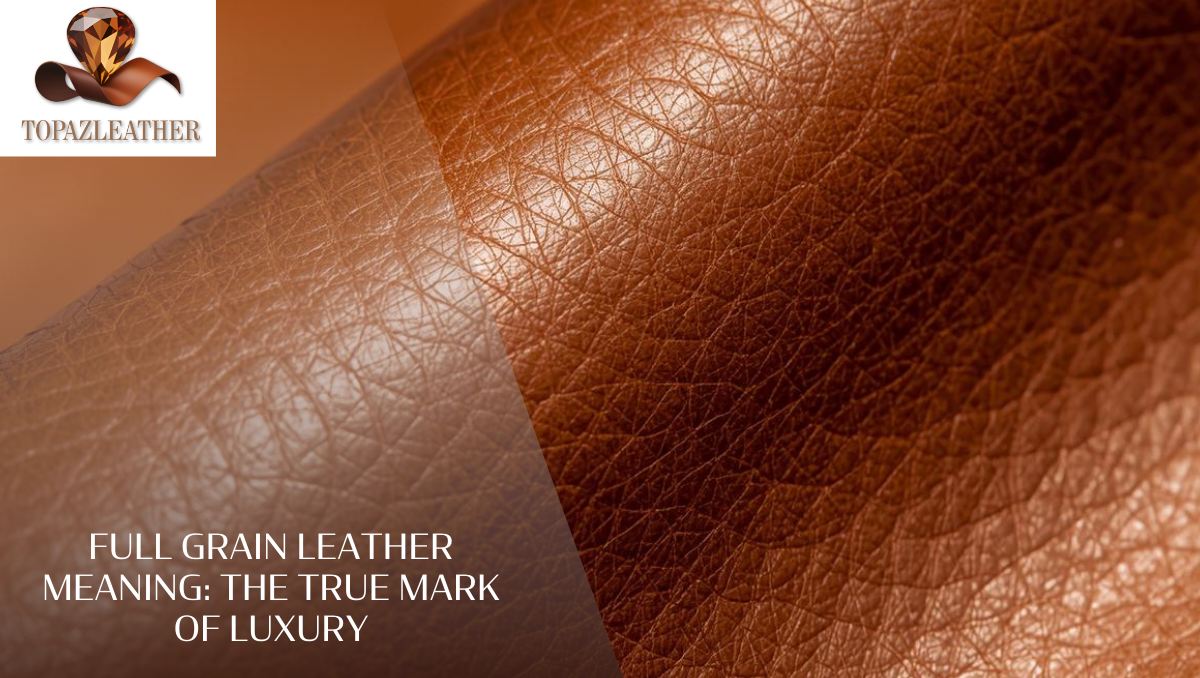
The phrase full grain leather “ refers to leather that retains the entire grain layer of the hide without sanding or correction. Tanneries preserve the natural surface of the leather, including the subtle markings that reveal the animal’s life. These natural patterns create uniqueness in every finished product.
Leather artisans value this grain layer because it holds the densest fibres within the hide. Those fibres deliver exceptional strength and resilience. Lower grades of leather remove or alter this surface layer, weakening the structure and reducing longevity.
Experts in material conservation often emphasise the value of preserving natural materials rather than altering them. Publications such as https://www.theguardian.com/uk/lifeandstyle frequently highlight the rising appreciation for products crafted from authentic materials that age gracefully rather than deteriorate.
A deeper understanding of the meaning of full-grain leather, therefore, reveals more than a technical definition. It reveals a philosophy of craftsmanship that respects the integrity of natural materials.
How Full Grain Leather Differs from Other Leather Types
Consumers who research the meaning of full-grain leather often compare it with other leather grades. The leather industry categorises hides based on how manufacturers process the surface layer.
Top-grain leather sits just below full-grain in quality. Manufacturers lightly sand the surface of top-grain leather to remove imperfections, creating a smoother appearance but slightly reducing durability. Genuine leather refers to a broad category that includes lower-grade layers of the hide, often heavily processed to imitate higher-quality leather.
Corrected leather undergoes significant sanding and artificial embossing. Manufacturers apply synthetic coatings to hide imperfections and create a uniform texture. These treatments weaken the natural fibre structure and prevent the leather from developing authentic patina.
Consumer protection organisations such as https://www.which.co.uk regularly educate UK buyers about product materials and quality standards. Buyers who understand the meaning of full-grain leather recognise that it consistently delivers the highest durability and authenticity.
Why Full Grain Leather Ages Beautifully
A defining feature of full-grain leather lies in the way the material matures. Full-grain leather develops a patina over time, creating a rich surface sheen that reflects use and care. This patina represents one of the most valued characteristics of premium leather goods.
Natural oils within the leather interact with environmental elements such as sunlight and touch. Those interactions deepen colour and enhance texture. Instead of wearing out, full-grain leather evolves.
Luxury interiors often showcase materials that mature with age. Design publications such as https://www.idealhome.co.uk regularly discuss the appeal of natural materials that grow more beautiful with time. Full-grain leather follows the same philosophy, as it transforms rather than deteriorates.
Understanding the meaning of full-grain leather, therefore, involves recognising the relationship among time, craftsmanship, and material authenticity.
Craftsmanship Behind Full Grain Leather Goods
Artisans approach full-grain leather with respect because the material reveals every detail of its craftsmanship. Every cut, stitch, and finish remains visible on the natural grain surface. This transparency demands precision and experience.
Handmade leather workshops spend years mastering techniques that protect the integrity of the hide. Skilled artisans select specific sections of leather for different components of products. They choose thicker sections for bag bases and structural areas while using more flexible sections for handles and panels.
Architectural institutions such as https://www.architecture.com celebrate traditional craftsmanship across design disciplines. Leather artisans follow the same dedication to detail that defines architecture and heritage construction.
The philosophy behind full-grain leather, therefore, connects directly to artisanal values. Artisans create leather goods that honour both material and method.
Durability and Strength of Full Grain Leather
Buyers who understand the meaning of full-grain leather quickly recognise the material’s extraordinary durability. The intact grain layer forms a tight network of fibres that resist tearing, stretching, and abrasion.
Luxury leather bags crafted from full-grain hides often last for decades with proper care. This longevity explains why heritage leather goods often pass from one generation to another.
Property and lifestyle experts frequently emphasise the value of durable natural materials. Real estate insights from https://www.savills.co.uk often highlight how quality materials retain value over time, and leather follows a similar principle in the luxury goods market.
A clear understanding of the meaning of full-grain leather, therefore, supports sustainable consumption. Consumers who invest in quality leather reduce waste by choosing products that last significantly longer than synthetic alternatives.
Ethical and Sustainable Leather Production
Modern buyers care deeply about ethical sourcing and responsible production. A complete explanation of the meaning of full-grain leather must therefore address sustainability.
Responsible tanneries source hides as byproducts of the food industry, ensuring efficient use of natural resources. Skilled tanning processes transform these hides into durable materials that prevent waste and extend product life.
Governments across Europe increasingly promote responsible consumption and long-lasting products. Guidance from https://www.gov.uk often encourages consumers to prioritise durability and sustainability when purchasing goods.
Full-grain leather aligns with this philosophy because it supports longevity. When artisans craft leather goods designed to last for decades, they reduce the environmental impact of fast fashion and disposable accessories.
How to Identify Genuine Full Grain Leather
Many consumers research the meaning of full-grain leather because the luxury market includes numerous misleading labels. Authentic full-grain leather reveals distinct visual and tactile characteristics.
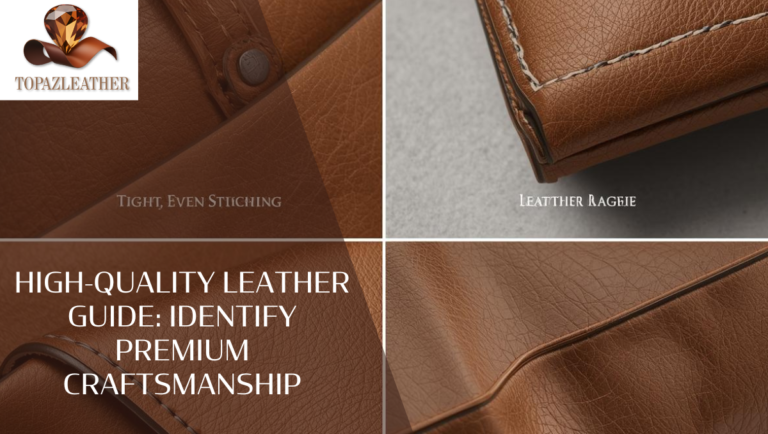
The surface displays natural grain patterns rather than a perfectly uniform texture. Subtle variations in colour and markings confirm the authenticity of the hide. The leather feels firm yet flexible, with a natural scent that synthetic materials cannot replicate.
Interior design publications such as https://www.housebeautiful.com/uk frequently discuss how genuine materials create depth and authenticity within luxury spaces. The same visual authenticity defines full-grain leather products.
Understanding the meaning of full-grain leather empowers buyers to identify true craftsmanship and avoid lower-quality alternatives that are disguised as premium leather.
The Heritage Value of Full Grain Leather
Luxury leather goods carry historical significance. Generations of artisans have relied on full-grain leather for saddlery, luggage, and accessories because the material combines strength with elegance.
Heritage crafts continue to shape modern luxury markets. Cultural coverage from https://www.theguardian.com/uk highlights the growing appreciation for traditional manufacturing methods and skilled craftsmanship.
Buyers who understand the meaning of full-grain leather recognise this heritage value. Each leather product reflects centuries of knowledge, craftsmanship, and respect for natural materials.
Luxury brands such as Topaz Leather continue this tradition by creating handmade leather goods that celebrate authenticity, durability, and timeless design.
Call to Action
True luxury begins with knowledge and craftsmanship. If you now understand the meaning of full-grain leather, you recognise why premium leather goods demand exceptional materials and skilled artisanship. Topaz Leather specialises in handmade leather bags and accessories crafted from the finest full-grain hides, designed to age beautifully and last for decades.
Discover the craftsmanship behind authentic luxury leather and explore our premium collection today.
Phone: +447477227847
Email: Hello@topazleather.com
Website: www.topazleather.com
FAQs
Full-grain leather refers to leather that retains the entire natural grain layer of the hide without sanding or correction.
Full-grain leather offers significantly higher durability, authenticity, and ageing quality than genuine leather.
Full-grain leather lasts for decades with proper care because its dense fibre structure provides exceptional strength.
Artisans use the highest-quality part of the hide and require greater craftsmanship, which increases production cost.
Full-grain leather develops a rich patina over time, which enhances colour depth and character through natural ageing.