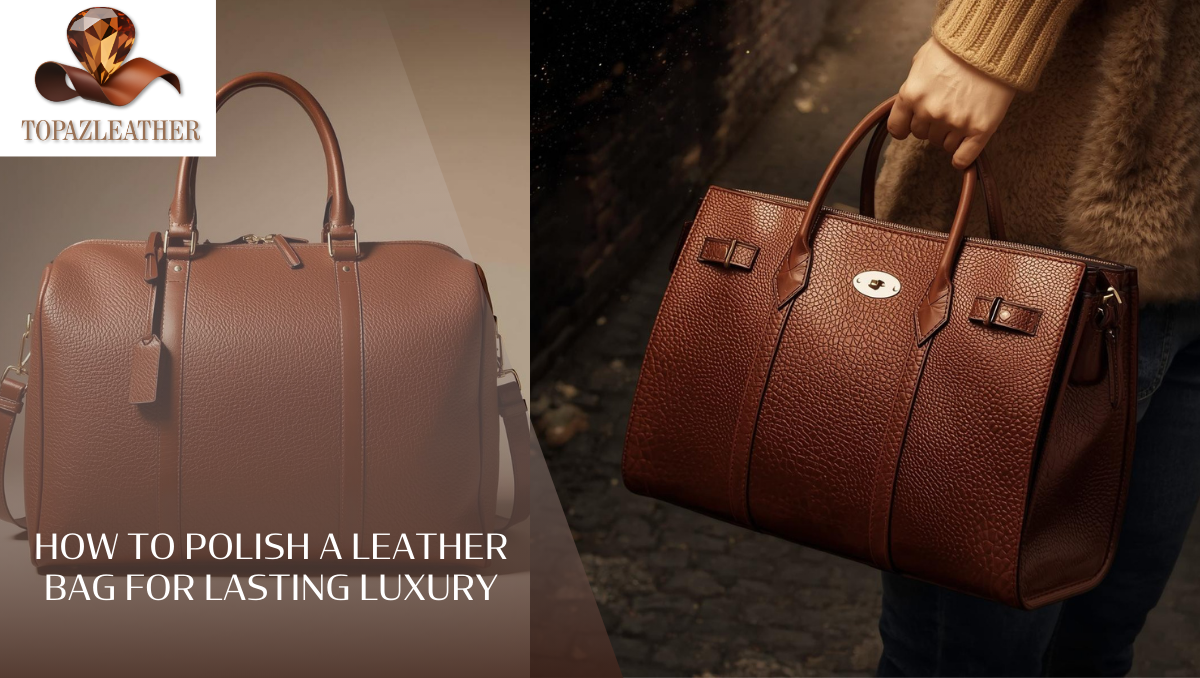
How to Polish a Leather Bag for Lasting Luxury
A beautifully crafted leather bag reflects craftsmanship, heritage, and refined personal style. Owners who understand how to polish a leather bag properly protect that investment and maintain the elegance that genuine leather delivers for decades. Premium leather develops character with time, yet it demands attentive care to preserve its natural oils, rich colour, and smooth surface.
When artisans create a handmade leather bag, they design it to age gracefully rather than deteriorate. Correct polishing techniques nourish the hide, maintain suppleness, and enhance the natural sheen that distinguishes luxury leather from synthetic alternatives. Owners who learn how to polish a leather bag correctly maintain both aesthetic beauty and structural integrity.
Luxury leather care requires patience, precision, and quality products. With the correct approach, polishing becomes a ritual that celebrates craftsmanship rather than a simple cleaning task.
Understanding Why Leather Polishing Matters
Premium leather contains natural fibres that respond to moisture, oils, and friction. Regular polishing restores nutrients within the hide while protecting it from environmental stress such as dust, sunlight, and humidity.
Experts in material conservation emphasise proper care for natural materials. The design specialists featured on The Guardian’s lifestyle platform often highlight responsible maintenance practices for luxury goods, particularly items crafted from natural materials such as leather (https://www.theguardian.com/uk/lifeandstyle).
When owners fail to polish properly, leather gradually loses moisture. That dryness creates surface cracking, dullness, and stiffness. Regular polishing prevents those issues while preserving the supple texture that defines luxury leather craftsmanship.
Consumers who invest in premium accessories increasingly recognise the value of proper maintenance. Organisations such as Which? frequently highlight the importance of caring for quality possessions to extend product lifespan and reduce unnecessary replacement (https://www.which.co.uk).
Preparing Your Leather Bag Before Polishing
Anyone serious about mastering the art of polishing the leather bag begins with careful preparation. Polishing over dust or dirt pushes debris into the leather, damaging the material rather than restoring it.
Start by placing the bag on a clean, flat surface in a well-lit room—empty every compartment to prevent hidden debris from scratching the leather while you work. Use a soft microfiber cloth to remove loose dust from the entire bag, including seams, corners, and handles.
Interior dust also affects exterior care because trapped particles migrate through seams. Proper cleaning before polishing protects the leather and ensures the conditioning products penetrate evenly.
Architectural conservation bodies such as the Royal Institute of British Architects frequently emphasise preservation techniques for natural materials, highlighting the importance of preparation before restoration (https://www.architecture.com). Leather care follows the same principle. Preparation determines the success of the polishing process.
Choosing the Right Leather Polish
Luxury leather responds best to natural conditioners and wax-based polishes designed specifically for full-grain or top-grain leather. Owners who want to master polishing a leather bag must avoid harsh chemicals or silicone-heavy products that create an artificial shine while degrading the fibres beneath the surface.
Premium leather polish usually contains natural oils such as beeswax, lanolin, or plant-based conditioners. These ingredients nourish the hide while creating a protective barrier against environmental exposure.
Interior design publications such as Ideal Home regularly highlight the importance of using appropriate care products for natural materials in luxury interiors (https://www.idealhome.co.uk). The same philosophy applies to leather accessories. Quality care products preserve the authenticity of handcrafted leather rather than masking imperfections with synthetic coatings.
Always test polish on a discreet section before applying it across the bag. Genuine leather reacts differently depending on the tanning process and natural grain pattern. Testing prevents unexpected colour changes.
Step-by-Step Technique to Polish Leather Bags
Owners who truly understand how to polish a leather bag follow a consistent, gentle method that prioritises nourishment rather than aggressive buffing.
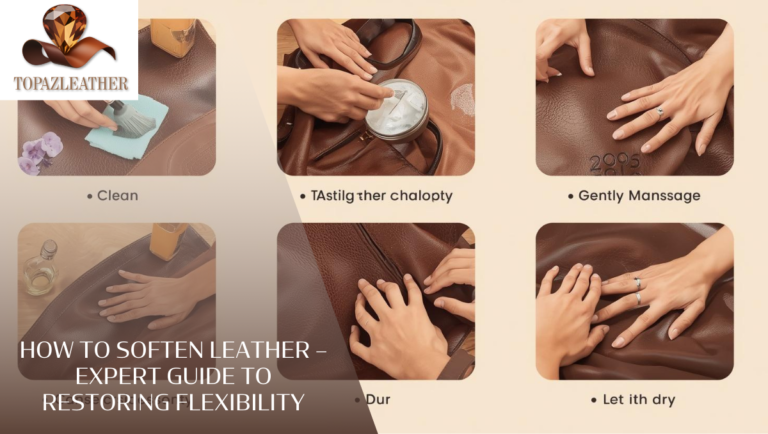
To begin, lightly coat a delicate cloth with polish. Work the polish into the cloth rather than applying it directly onto the leather surface. This technique distributes the product evenly and prevents oversaturation.
Massage the polish into the leather using slow circular motions. Move gradually across the bag while maintaining light pressure. The leather fibres absorb the conditioner as you work, restoring flexibility and enhancing the natural sheen.
Allow the polish to absorb for several minutes. This resting period allows the oils and waxes to penetrate deeply into the hide. After absorption, use a clean, dry cloth to gently buff the leather.
Buffing activates the wax layer, creating the elegant glow associated with luxury leather goods. Handcrafted leather never produces an artificial shine. Instead, it reveals a soft, natural lustre that reflects craftsmanship and material quality.
Home style publications such as House Beautiful UK frequently discuss the long-term care of natural materials, highlighting the importance of gentle maintenance techniques (https://www.housebeautiful.com/uk). Leather polishing follows the same philosophy of slow, careful care.
Protecting Leather Bags After Polishing
Mastering how to polish a leather bag also involves protecting the leather afterward. Conditioning improves durability, yet environmental factors still affect leather surfaces.
Store the bag in a breathable cotton dust bag rather than plastic. Plastic traps moisture and accelerates deterioration. A dust bag protects the leather while allowing airflow.
Keep leather bags away from prolonged sunlight or excessive humidity. Climate fluctuations gradually dry the leather fibres and weaken the structure.
Property and lifestyle experts at Savills frequently highlight how environmental conditions influence natural materials within luxury homes (https://www.savills.co.uk). Leather accessories respond to those same environmental variables.
Consistent care ensures leather develops a patina rather than damage. That patina reflects character and age, which many collectors value in premium leather goods.
How Often You Should Polish Leather Bags
Owners who practise effectively polishing a leather bag effectively follow a balanced care schedule rather than over-polish.
Light use requires polishing every three to four months. Frequent use may require conditioning every six to eight weeks, particularly during colder months when indoor heating reduces humidity.
Leather thrives with moderate nourishment rather than constant product application. Over-polishing saturates the fibres and softens structural areas such as handles and seams.
Government sustainability initiatives increasingly encourage consumers to maintain quality products rather than replace them frequently. Guidance on sustainable consumer behaviour from the UK government supports long-lasting product care (https://www.gov.uk).
Thoughtful polishing routines align perfectly with that philosophy. Proper leather care extends the product’s life and preserves its craftsmanship for years.
Craftsmanship and the Luxury Leather Standard
Understanding how to polish a leather bag connects owners with the craftsmanship behind handmade leather goods. Artisans dedicate years to mastering leather cutting, stitching, and finishing techniques. Polishing allows owners to honour that artistry.
Luxury leather ages uniquely because every hide carries its own grain pattern. Polishing highlights those natural characteristics rather than concealing them.
Collectors and style enthusiasts increasingly value heritage craftsmanship. Media outlets such as the BBC frequently explore the cultural significance of traditional crafts and the resurgence of handmade goods (https://www.bbc.co.uk).
A well-maintained leather bag communicates confidence, sophistication, and respect for quality materials. Proper polishing transforms routine maintenance into a celebration of craftsmanship.
Call to Action
Luxury leather deserves expert care and exceptional craftsmanship. At Topaz Leather, artisans create premium handmade leather bags designed to age beautifully with proper maintenance. If you want guidance on how to polish a leather bag correctly or wish to explore our collection of handcrafted leather accessories, our specialists stand ready to assist.
Contact Topaz Leather today to discover timeless craftsmanship and professional leather care advice.
Phone: +447477227847
Email: Hello@topazleather.com
Website: www.topazleather.com
FAQs
Most leather bags benefit from polishing every two to three months. Regular use may require more frequent conditioning to maintain softness and shine.
Shoe polish often contains pigments and chemicals designed for footwear. Use dedicated leather conditioners to protect the handbag’s leather properly.
A soft microfiber or cotton cloth works best because it distributes polish evenly and prevents scratching the leather surface.
Natural leather conditioners deepen colour slightly because oils nourish the fibres. This effect usually enhances the leather’s richness and patina.
Light scratches often fade after polishing because conditioners restore moisture and smooth the surface. Deep scratches may require professional leather restoration.