How long does leather last – Luxury Durability Guide
Consumers who invest in premium leather goods often ask before they purchase a wallet, bag, or belt. The answer depends on craftsmanship, material quality, and maintenance. High-grade leather offers extraordinary durability and timeless elegance when artisans craft it with skill and owners care for it responsibly.
Understanding how long leather lasts reveals why luxury leather remains one of the most trusted materials in fashion and accessories. Full-grain leather products often last for decades and develop a distinctive character through daily use. This longevity explains why professionals across the United Kingdom choose handcrafted leather goods instead of disposable alternatives.
British consumers increasingly prioritise quality over quantity. Research and consumer insights from Which frequently highlight the long-term value of durable products compared with mass-produced goods (http://www.which.co.uk). Luxury leather represents this philosophy perfectly. When artisans shape leather with precision and respect for heritage techniques, the material rewards owners with a remarkable lifespan and enduring sophistication.
Understanding how long leather lasts in premium craftsmanship
Luxury leather goods begin with exceptional raw materials. Skilled artisans select hides with strong fibres and a natural grain texture. This careful selection process plays a decisive role in determining.
Full-grain leather and its exceptional lifespan
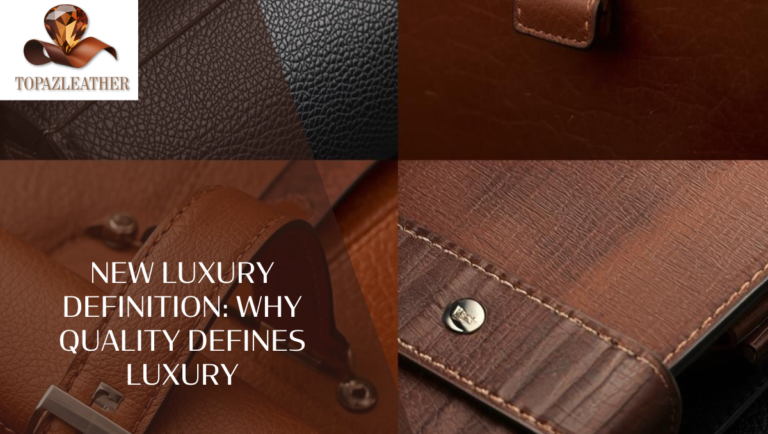
Full-grain leather stands at the pinnacle of material quality. This leather retains the outermost layer of the hide, which contains the strongest fibres. The dense fibre structure provides resistance against wear, stretching, and tearing.
Buyers who research how long leather lasts often discover that full-grain leather items survive for twenty years or longer with proper care. This durability explains why luxury leather products remain staples of refined wardrobes. Architectural design discussions at the Royal Institute of British Architects often highlight the beauty of materials that age naturally while maintaining structural integrity (http://www.riba.org). Premium leather follows the same principle, maturing gracefully over decades of use.
Vegetable tanning and long-term durability
Traditional vegetable tanning enhances the longevity of leather. Artisans use natural tannins derived from tree bark and plant extracts to stabilise the hide fibres. This method strengthens the leather while preserving its natural appearance.
Vegetable-tanned leather often has a firm texture, yet it softens gradually with use. Owners who learn often appreciate this transformation, as the leather develops a deep patina and becomes supple. Each item evolves uniquely according to its owner’s lifestyle.
Factors that determine how long leather lasts
Several variables influence the lifespan of leather goods. Material quality, craftsmanship, environmental conditions, and maintenance all shape how long leather lasts.
Craftsmanship and construction precision
Artisan craftsmanship determines whether leather goods achieve true longevity. Skilled leatherworkers cut panels carefully and align fibres with precision. They reinforce stress points with durable stitching and meticulously finish edges.
Luxury craftsmanship ensures structural stability, allowing leather items to withstand years of daily use. Lifestyle publications such as House Beautiful frequently explore the value of craftsmanship and heritage materials within British homes and fashion culture (http://www.housebeautiful.com/uk). Leather accessories reflect the same commitment to enduring quality.
Daily use and environmental conditions
Owners often ask, given that wallets, bags, and belts are frequently used. Regular use does not necessarily shorten the lifespan of leather. High-quality leather often improves with responsible daily wear.
Environmental conditions influence durability as well. Extreme heat, excessive moisture, or prolonged exposure to sunlight may weaken leather fibres. Responsible storage and conditioning protect the material and extend its lifespan.
Property and lifestyle experts at Savills regularly discuss the importance of environmental control for preserving valuable possessions within modern homes (http://www.savills.co.uk). Leather goods benefit from similar thoughtful care.
The ageing process that defines leather luxury
Leather differs from synthetic materials because it evolves rather than deteriorates rapidly. Understanding this natural transformation helps owners appreciate.
Patina development enhances visual character.
Patina refers to the rich surface finish that develops on leather as it interacts with oils, light, and movement. This process deepens colour and highlights the natural grain. Each leather item gradually acquires a distinctive appearance that reflects its history of use.
British lifestyle reporting often celebrates products that mature gracefully rather than lose value over time. Cultural discussions in The Guardian frequently highlight the appeal of materials that develop character through age (http://www.theguardian.com/uk). Leather exemplifies this philosophy through its evolving patina.
Strength improves with careful conditioning.
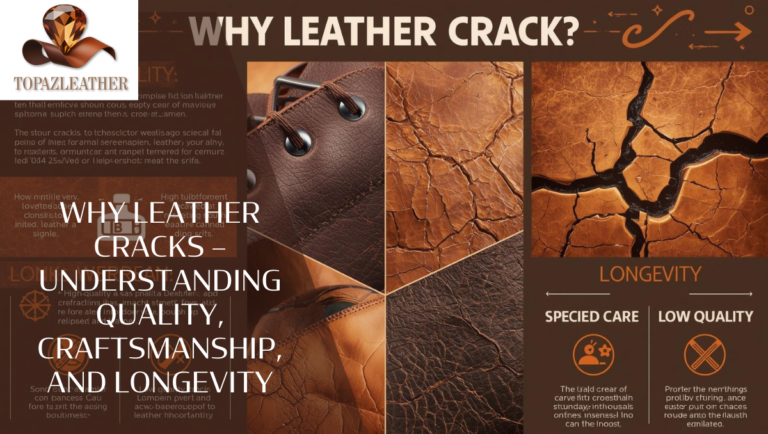
Leather fibres retain natural oils that maintain flexibility and strength. Conditioning replenishes these oils and prevents dryness or cracking. Owners who condition leather periodically help preserve the material’s structural integrity.
Responsible leather care significantly influences how long leather lasts. A well-maintained wallet or bag easily surpasses a decade of daily use while maintaining elegance and durability.
Leather lifespan across common accessories
Different leather goods experience different forms of wear. The answer to varies slightly by accessory type.
Leather wallets and everyday durability
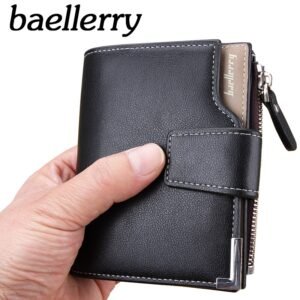
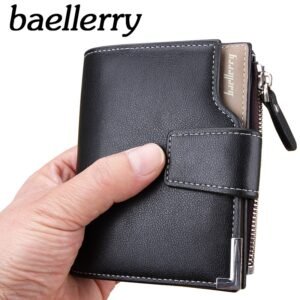
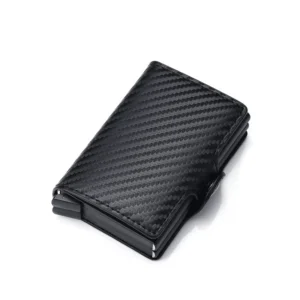
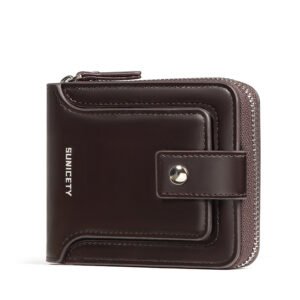
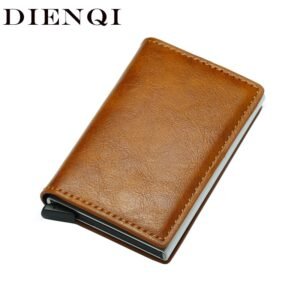
Leather wallets endure constant handling, friction, and pressure from cards or notes. High-quality full-grain leather wallets often last 10 to 20 years when artisans construct them with strong stitching and durable linings.
BBC lifestyle coverage often highlights how well-crafted accessories provide greater value through longevity (http://www.bbc.co.uk). Leather wallets illustrate this principle clearly. Their durability makes them one of the most practical luxury investments.
Leather bags and professional longevity
Leather bags often carry heavier loads and encounter frequent travel conditions. Premium leather travel bags and briefcases retain impressive longevity when crafted by artisans from robust materials.
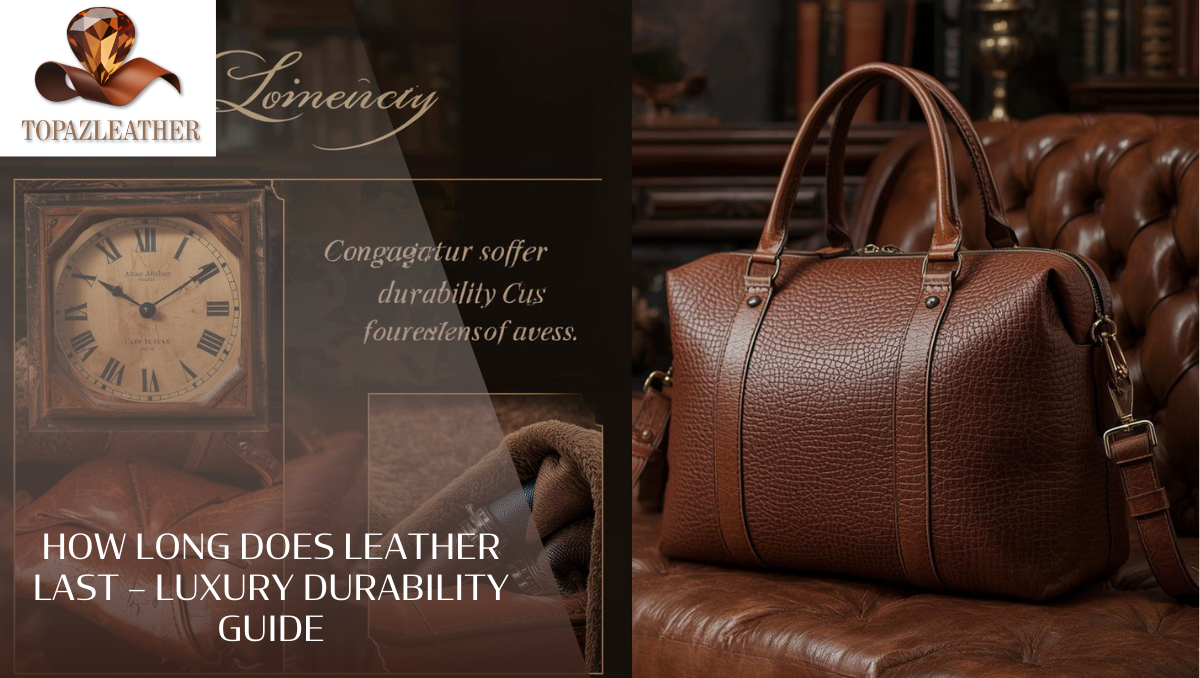
Owners who care for their bags properly often enjoy fifteen to thirty years of dependable use. This durability explains why many professionals view leather bags as lifelong companions rather than temporary accessories.
Ethical production and sustainable durability
Modern consumers consider sustainability when evaluating how long leather lasts. Durable products reduce waste because they remain functional for extended periods.
Government sustainability guidance encourages consumers to choose long-lasting goods that minimise environmental impact (http://www.gov.uk). Leather products align with this approach when manufacturers prioritise responsible sourcing and craftsmanship.
High-quality leather also supports circular consumption patterns. Owners repair, condition, and preserve leather goods instead of discarding them quickly. This practice strengthens sustainability while preserving the heritage of craftsmanship.
Why does handcrafted leather last longer
Handcrafted leather goods often outlast factory-produced alternatives. Artisans inspect each piece individually and correct imperfections during production. This human attention ensures consistent quality and structural reliability.
When buyers explore how long leather lasts, they often recognise the difference between handmade and mass-produced goods. Handmade leather reflects patience, skill, and tradition. These qualities translate directly into durability and elegance.
Topaz Leather embodies this philosophy through meticulous craftsmanship and premium materials. Our artisans shape each wallet, bag, and belt with precision to ensure lasting quality and timeless style.
Explore our leather craftsmanship guide here: http://www.topazleather.com/leather-guide.
Discover our handmade leather collection here: http://www.topazleather.com
Luxury leather represents more than material durability. It represents heritage craftsmanship, sustainable consumption, and refined design. When owners understand, they recognise why premium leather remains one of the most enduring investments in personal accessories.
Invest in Leather That Lasts with Topaz Leather
True luxury reveals itself through longevity. Topaz Leather crafts premium, handmade leather goods designed to last for decades, developing beautiful character through daily use.
Our artisans select full-grain leather and apply traditional techniques to ensure exceptional durability and elegance. Discover leather wallets, bags, and accessories created for modern British lifestyles and lasting sophistication.
+447477227847
Hello@topazleather.com
http://www.topazleather.com
FAQs
High-quality leather often lasts 10 to 30 years, depending on craftsmanship, usage, and maintenance.
Yes. Full-grain leather retains the strongest fibres of the hide, which provides superior durability and longevity.
Many handcrafted leather goods last a lifetime when owners maintain them with regular conditioning and responsible storage.
Material quality, craftsmanship, environmental conditions, and proper care all influence the lifespan of leather.
Regular cleaning, conditioning, and proper storage preserve flexibility and protect leather from damage, which significantly extends its lifespan.