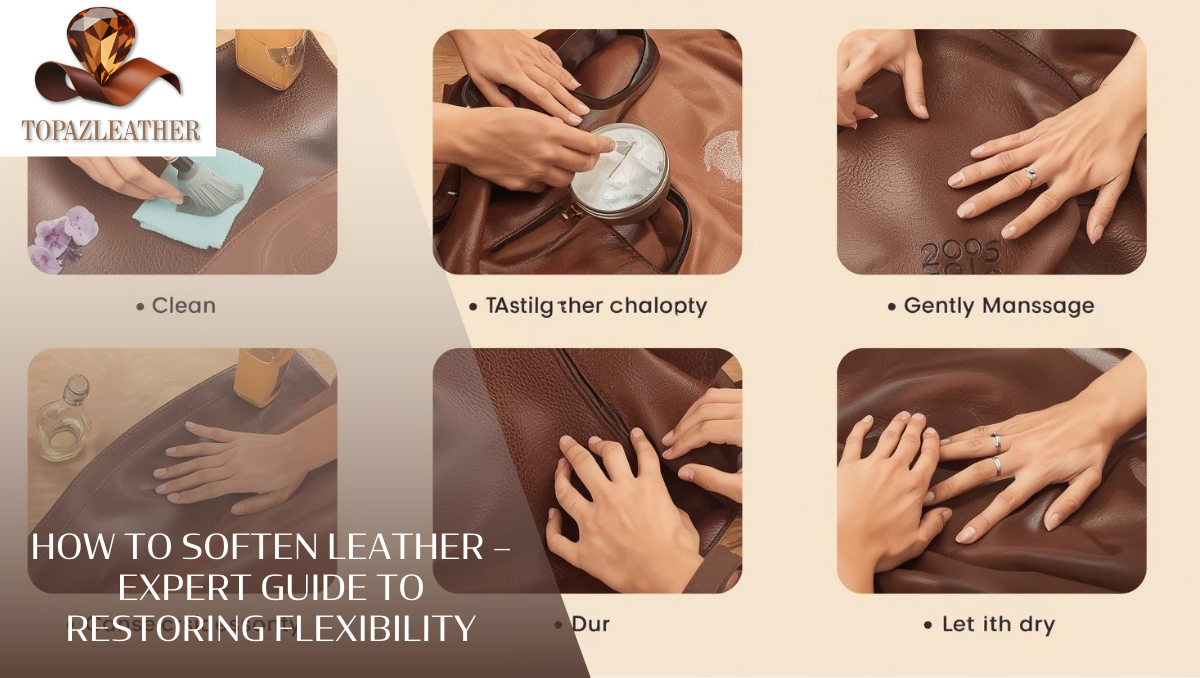
How to soften leather – Expert Guide to Restoring Flexibility
Luxury leather goods represent heritage craftsmanship, natural materials, and enduring quality. Owners of premium leather accessories often search for how to soften leather when a wallet, bag, or belt feels rigid during early use. Stiffness does not indicate poor quality. In many cases, high-grade leather initially displays firmness because natural fibres remain intact and tightly structured.
Understanding how to soften leather correctly preserves the material’s integrity while enhancing comfort and usability. Skilled artisans recognise that leather evolves through careful conditioning, gentle movement, and proper environmental care. When owners follow professional leather maintenance techniques, the material gradually develops supple flexibility and a distinctive patina that reflects years of elegant use.
Modern British consumers increasingly invest in handmade leather products that deliver longevity and authenticity. Reports on consumer durability from Which highlight how high-quality materials outperform disposable alternatives (http://www.which.co.uk). Learning how to soften leather ensures that luxury accessories maintain their beauty while adapting comfortably to everyday life.
Why Premium Leather Feels Stiff at First
The search for how to soften leather often begins when buyers encounter firmness in new leather goods. Premium leather retains the original hide’s dense fibre structure. This structure provides strength, resilience, and durability, yet it also creates initial stiffness before the fibres relax through natural use.
Natural Fibre Structure in Full-Grain Leather
Artisans craft luxury leather goods from full-grain leather because this material preserves the hide’s strongest surface layer. The dense fibre network creates exceptional durability and resistance to wear. These qualities define luxury leather craftsmanship across the United Kingdom.
When owners explore how to soften leather, they must understand that natural fibres gradually loosen through gentle use. Friction, movement, and conditioning oils encourage flexibility while preserving structural strength. Design experts frequently highlight how natural materials evolve through careful use. Architectural design discussions by the Royal Institute of British Architects emphasise the beauty of materials that mature naturally (http://www.riba.org).
Tanning Methods Influence Leather Flexibility
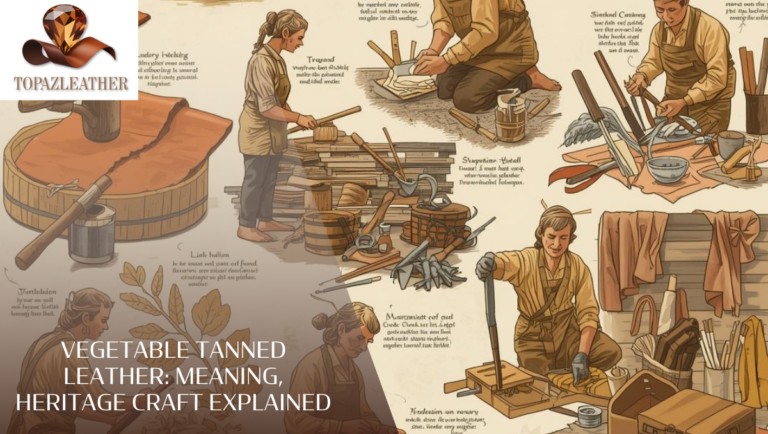
Traditional vegetable tanning produces leather with remarkable durability and rich character. This process often creates firmer leather initially because tannins strengthen the hide fibres. Many luxury leather artisans favour this method because it produces superior ageing qualities.
Buyers who research how to soften leather often encounter vegetable-tanned leather in handmade wallets, belts, and bags. This material gradually softens through conditioning and everyday movement. The leather becomes more comfortable as it develops deep colour variations associated with premium craftsmanship.
Traditional Craftsmanship Techniques to Soften Leather
Artisans have refined methods for softening leather over centuries of leatherworking tradition. These techniques maintain the material’s integrity while encouraging natural flexibility.
Conditioning Leather with Natural Oils
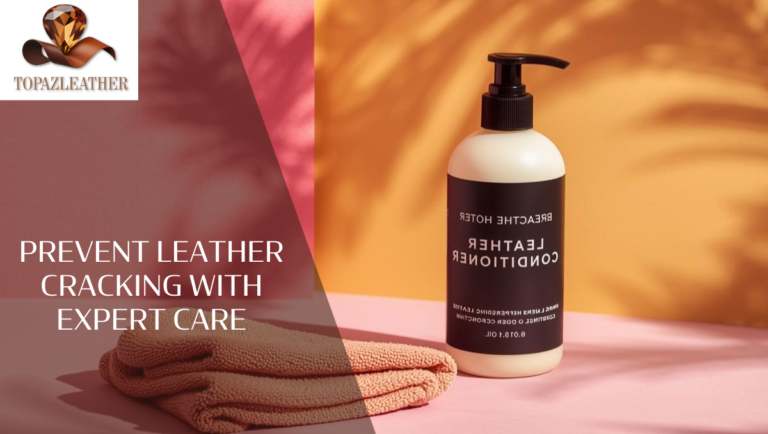
Leather conditioners restore essential moisture within the hide fibres. Skilled artisans apply conditioning oils to nourish leather and encourage gradual softening. These oils penetrate the surface and restore elasticity without damaging the material.
Consumers who explore how to soften leather should apply conditioner sparingly and massage it gently into the leather surface. This process revitalises the fibres while preserving the natural grain pattern. Lifestyle publications such as House Beautiful regularly explore craftsmanship and the care of materials in modern British homes (http://www.housebeautiful.com/uk). Leather maintenance reflects the same philosophy of thoughtful care and preservation.
Gentle Flexing and Movement
Leather responds positively to movement. Artisans often flex new leather goods gently to encourage natural relaxation within the fibre structure. Owners who practise this technique allow the material to soften gradually without stress or damage.
Daily use accelerates this process. A leather wallet carried regularly adapts to body temperature and natural motion. These subtle influences transform firm leather into supple material that conforms comfortably to personal habits.
Environmental Factors That Influence Leather Softness
Environmental conditions play a significant role in the process of softening leather. Leather responds to temperature, humidity, and storage environments.
Temperature and Natural Moisture
Moderate warmth helps leather fibres relax and absorb conditioning oils more effectively. Owners should avoid excessive heat, which can dry the leather and cause damage. Gentle warmth combined with conditioning promotes healthy fibre flexibility.
Climate awareness plays an important role in material preservation. Environmental guidance from the UK Government encourages responsible care for natural materials to extend product life cycles (http://www.gov.uk). Proper leather maintenance aligns with these sustainability principles.
Proper Storage Protects Leather Integrity
Correct storage preserves leather softness and prevents stiffness from developing over time. Owners should store leather goods in breathable environments that allow airflow. Dust bags or cotton cloth coverings protect leather surfaces while preventing moisture accumulation.
Property and lifestyle research from Savills often highlights how proper storage and environmental management protect valuable possessions in modern homes (http://www.savills.co.uk). Leather accessories benefit from similar care and thoughtful placement.
Mistakes to Avoid When Learning how to soften leather
Many consumers search for shortcuts when they attempt to soften leather. Poor methods can damage the material and reduce the lifespan of luxury accessories.
Excessive Water Exposure
Water weakens leather fibres and disrupts natural oils—owners who attempt to soften leather with heavy moisture risk cracking, discolouration, and structural damage. Skilled craftsmen recommend conditioning oils rather than water for leather maintenance.
Consumer protection advice from BBC consumer coverage frequently warns against improper material care that shortens product lifespan (http://www.bbc.co.uk). Responsible leather maintenance preserves both durability and appearance.
Harsh Chemical Treatments
Some products promise rapid softening but contain harsh chemicals that strip natural oils from leather surfaces. These treatments often damage the grain layer, leading to long-term deterioration.
Buyers who research how to soften leather should prioritise gentle conditioners designed specifically for natural leather. Premium leather goods deserve careful treatment that respects their craftsmanship and material quality.
The Natural Ageing Process of Quality Leather
Luxury leather undergoes a beautiful transformation through regular use. The search for how to soften leather often leads owners to appreciate this gradual evolution.
Patina Development Enhances Character
Patina forms when leather interacts with light, oils, and movement. This process deepens colour tones and highlights the natural grain pattern. Each leather item develops a unique visual identity that reflects its journey through everyday life.
The Guardian frequently explores consumer appreciation for products that mature gracefully rather than deteriorate quickly (http://www.theguardian.com/uk). Leather goods exemplify this philosophy perfectly.
Durability Through Responsible Care
Premium leather remains strong for decades when owners follow proper maintenance routines. Conditioning, gentle use, and thoughtful storage allow the material to maintain flexibility while preserving structural integrity.
Understanding how to soften leather is part of a broader commitment to appreciating craftsmanship. Leather goods reward this care with long-lasting beauty and reliability.
Why Handcrafted Leather Softens More Naturally
Handcrafted leather products often soften more gracefully than factory-produced alternatives. Artisans control material selection, cutting techniques, and stitching precision to ensure optimal fibre alignment.
When artisans create wallets, belts, and bags by hand, they respect the natural direction of leather fibres. This careful process allows the leather to adapt comfortably over time.
Lifestyle experts frequently emphasise the rising demand for handcrafted goods across Britain. Which consumer insights often highlight the long-term value of well-crafted products compared with disposable alternatives (http://www.which.co.uk). Handmade leather goods embody that value through durability and natural ageing.
Topaz Leather embraces these principles through disciplined craftsmanship and premium materials. Our artisans shape each product with precision so the leather softens gradually while preserving its elegant structure.
Explore our leather craftsmanship insights here: http://www.topazleather.com/leather-guide.
Discover our premium handmade leather collection here: http://www.topazleather.co.m
A well-crafted leather wallet or bag transforms through years of use. Owners who know how to soften leather allow this transformation to unfold naturally while preserving the material’s beauty and strength.
Experience Premium Leather Craftsmanship with Topaz Leather
True leather luxury evolves through time, care, and craftsmanship. Topaz Leather creates handmade leather accessories designed to soften beautifully while maintaining exceptional durability and elegance.
Our artisans select premium full-grain leather and craft each piece with precision, ensuring that your wallet, bag, or belt develops natural flexibility and distinctive character. Discover leather accessories designed for refined British lifestyles.
+447477227847
Hello@topazleather.com
http://www.topazleather.com
FAQs
High-quality leather usually softens within several weeks of regular use. Gentle conditioning and natural movement accelerate the process while preserving durability.
Yes. A premium leather conditioner nourishes fibres and encourages flexibility. Regular conditioning supports natural softening and prevents dryness.
Vegetable-tanned leather often starts firmer than other leather types. This material gradually softens with use, developing a rich patina.
Excessive heat damages leather fibres and removes natural oils. Gentle conditioning and movement provide safer results when learning how to soften leather.
Premium leather retains a dense fibre structure for durability. This structure creates initial firmness that gradually transforms into supple flexibility through regular use.