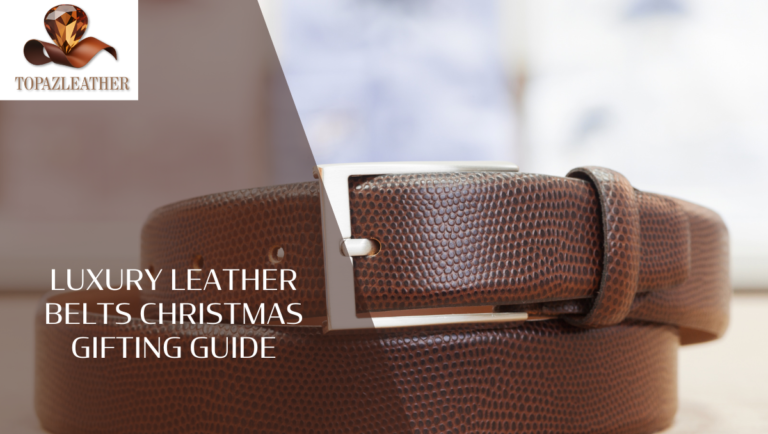
The question of how to choose a leather belt defines a transformative moment in any wardrobe when a man prioritises heritage quality, artisanal craft, and refined style over mass‑market throwaways. When you invest in a leather belt, you do not simply acquire an accessory; you anchor your outfit with a statement of quality and purpose that carries the legacy of craft. In this comprehensive UK‑focused guide, we explore every dimension of choosing a leather belt that deserves a place in a premium collection and delivers lasting strength and elegance to its wearer.
Appreciating Leather Quality and the Best Materials
Understanding leather quality is at the heart of choosing a leather belt intelligently. Leather is a natural product shaped by its fibre structure, tanning processes, and finishing techniques, which determine its durability and aesthetics. Full‑grain leather represents the pinnacle of quality, distinguished by preserved grain that retains strength and natural markings. Full‑grain leather improves with age, developing a patina that reflects a man’s life experiences, a concept mirrored in premium material guidance shared on Which? (https://www.which.co.uk). Choosing full‑grain leather sets the foundation for a belt that balances strength and sophistication.
Vegetable tanning is a traditional tanning method that employs natural tannins rather than heavy chemicals. Vegetable‑tanned leather remains breathable, resilient, and receptive to conditioning, a feature that ensures the belt feels supple yet substantial from the first wear to years down the line. The UK Government outlines quality standards and safe use of chemicals for leather goods, reinforcing why responsible tanning practices matter (https://www.gov.uk).
When you learn how to choose a leather belt, recognise that the tanning process influences not only the feel and durability but also the environmental impact. Vegetable‑tanned hides reflect a commitment to tradition and sustainability without compromising performance.
Recognising Craftsmanship in Every Stitch
Artisanal craftsmanship is the heartbeat of any truly exceptional leather belt, and it plays a central role in helping buyers choose aonewisely. Handmade belts speak to centuries of skilled practice and intentional assembly. Leatherworkers begin by selecting hides that meet exacting specifications, then cut, skive, and stitch each piece with precision. This human touch ensures that every belt carries subtle hallmarks of intention — uniform stitching, perfectly finished edges, and balanced proportions that machine production cannot replicate.
British leather craftsmanship enjoys global respect, and the cultural emphasis on handmade excellence appears prominently in creative and heritage discussions on BBC Culture (https://www.bbc.co.uk/culture). When you choose a handmade belt, you support a lineage of makers whose expertise transforms raw hides into enduring accessories.
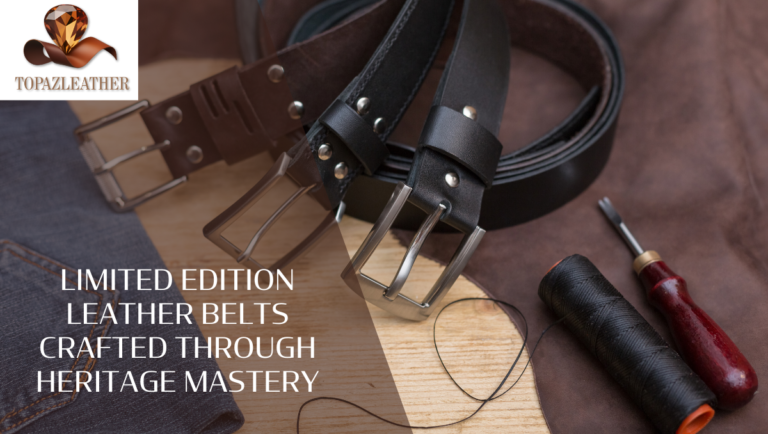
Hand‑saddle stitching remains a benchmark of quality because it strengthens the most crucial points of a belt. Unlike machine stitching, saddle stitching uses two needles and creates a weave that will not unravel if a thread breaks. When buyers understand this nuance in choosing an eather belt, they align with decisions that favour longevity over fleeting trends.
Selecting Hardware that Enhances Design and Durability
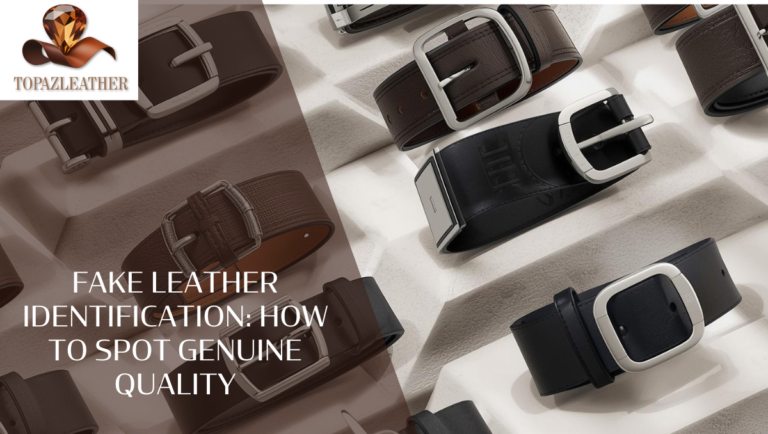
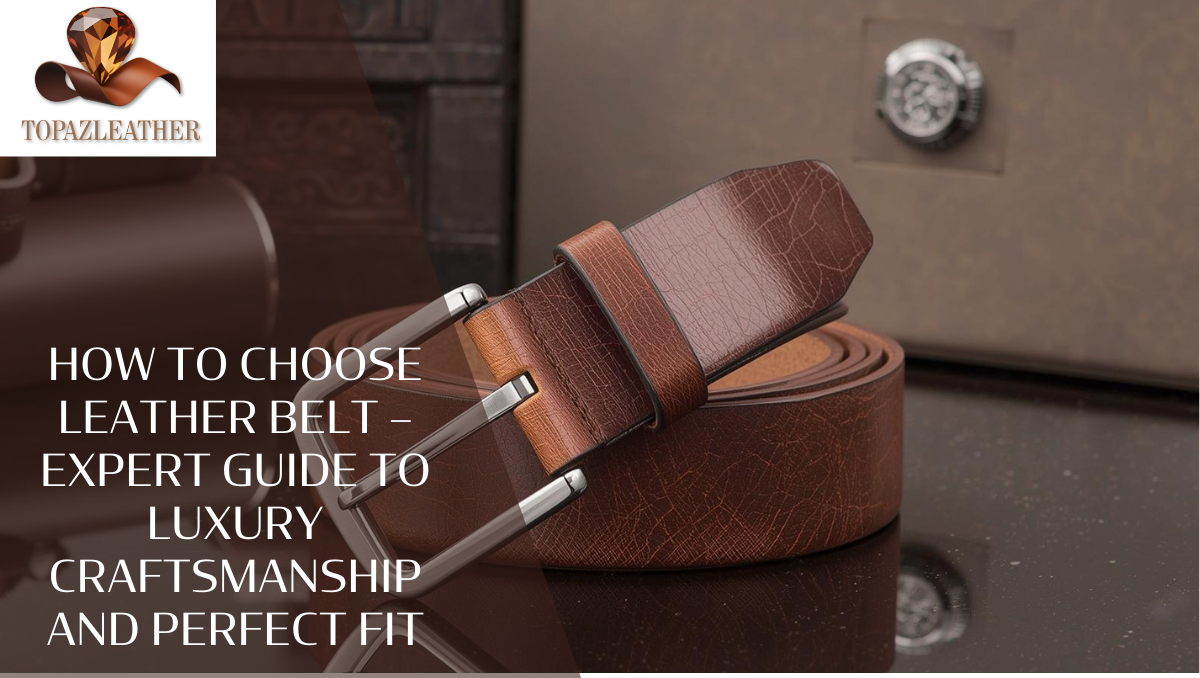
Buckle selection carries equal weight in choosing a leather belt because the hardware defines both function and style. A premium belt demands hardware crafted from solid metals such as brass, stainless steel, or nickel alloy with a refined finish. These materials resist corrosion, maintain lustre, and deliver satisfying weight in the hand — qualities that signal refinement much like the solid fixtures featured in trusted UK design advice on House Beautiful UK (http://www.housebeautiful.com/uk).
Avoid lightweight or plated buckles that wear prematurely; instead, opt for hardware with substance and finish that complements the leather tone. A deep brass buckle pairs naturally with rich tan hides, while brushed nickel lends itself to cooler black leathers. The thoughtful combination of metal and leather clarifies the need to choose a leather belt that remains functional and visually harmonious.
Understanding Design and Aesthetic Harmony
A belt must do more than fit; it must elevate. When learning how to choose a leather belt, consider how design choices influence wardrobe synergy. A refined belt embraces minimalism rather than ornate branding because an understated accessory enhances tailored outfits with timeless grace. Leather belts designed with clean lines and balanced proportions integrate seamlessly into both formal and smart‑casual attire, reinforcing style rather than distracting from it.
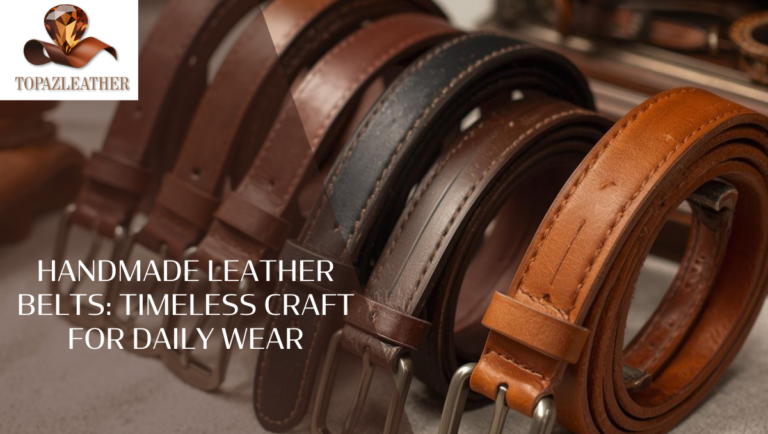
Colour also plays a pivotal role in design harmony. Classic tones such as deep black, rich brown, and British tan carry remarkable versatility, a principle echoed in British fashion discourse at The Guardian Life & Style (https://www.theguardian.com/uk/lifeandstyle). These colours anchor a leather belt within a broader wardrobe narrative, making them reliable choices for those exploring how to choose a leather belt that suits every context.
Achieving the Ideal Fit and Proportion
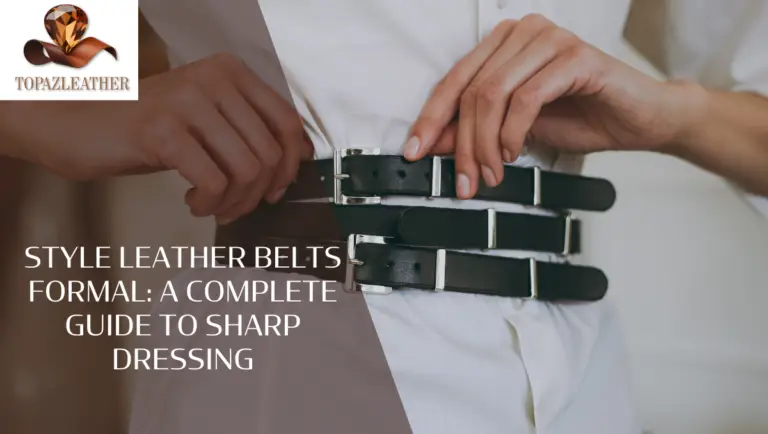
Fit lies at the core of function when choosing a leather belt. A belt must sit comfortably around the waist without pulling or sagging. Achieve this by selecting a belt that corresponds to your trouser waist measurement plus one size larger, ensuring that the belt sits on the middle hole with room to adjust. This method provides a balance between comfort and visual alignment.
Proportion also guides width selection. A width of around 1.25 to 1.5 inches typically offers the optimal balance between tailoring and casual styles, maintaining elegance without overwhelming an outfit. Narrower belts suit smart tailoring, while marginally broader widths pair beautifully with heavier fabrics. This proportional approach ensures that a belt harmonises with its wearer’s personal style and body type, clarifying the practical aspects of choosing a leather belt that complements a refined wardrobe.
Evaluating Construction Techniques
Construction technique influences both durability and feel, vital elements when you learn how to choose a leather belt with authority. Look for belts constructed with full layers of leather rather than composite layers that can separate over time. Single‑piece belts cut directly from the hide demonstrate the integrity of the material and structure, a quality that resists break‑in and retains its shape longer.
Edge finishing distinguishes premium belts from ordinary ones. Burnished or sealed edges protect the hide from moisture and abrasion while creating a polished silhouette. Polished edges reflect the meticulous attention to detail that defines artisanal craft and ensures longevity in real‑world use.
Embracing Ethical Production and Responsible Sourcing
Consumers today weigh ethical production heavily when choosing a leather belt, as sustainability and responsible sourcing align with long‑term value. Ethical leather prioritises hides from traceable sources, adherence to environmental standards, and minimal chemical impact. The UK Government emphasises chemical safety and consumer protection standards for leather goods, advocating quality and safety (https://www.gov.uk).
When a brand communicates clear sourcing practices and environmental commitments, buyers can trust that their investment reinforces values beyond aesthetics. Ethical production affirms that luxury does not come at the expense of environmental stewardship or worker welfare.
Weather Resistance and Everyday Reliability
The UK presents a variable climate that exerts demands on leather goods. Rain, wind, and seasonal changes require belts that maintain performance without compromise. Understanding how to choose a leather belt for reliability involves recognising the qualities that resist moisture and preserve strength. Full‑grain leather naturally repels moisture more effectively than lesser hides, and proper conditioning fortifies its resilience.
Conditioning with quality leather balm sustains natural oils that prevent drying and cracking. Allow a damp belt to dry at room temperature rather than using heat, which can compromise fibres. Regular conditioning and mindful storage uphold beauty and flexibility, underscoring the practical aspects of care that accompany the broader topic of choosing a leather belt with confidence.
Harmonising Belts with British Tailoring Traditions
British tailoring emphasises proportion, precision, and understated quality, principles that inform the choice of a leather belt for a refined wardrobe. A belt should integrate with tailored trousers without dominating the silhouette because the most distinguished accessories support style rather than overshadow it. In British fashion, timeless accessories echo subtle confidence, a concept explored in rich detail by cultural commentators.
A premium belt elevates a tailored jacket or smart chinos, anchoring outfits in cohesion and purpose. This harmony between belt and tailoring reflects deeper values of craftsmanship, precision, and longevity, all central to choosing a leather belt that transcends trends.
Price Perspectives, Value, and Long‑Term Satisfaction
When buyers consider price, they must assess value in the context of materials, craftsmanship, and longevity. Premium belts occupy a higher price point, reflecting unyielding standards, meticulous construction, and heritage quality. Cheaper alternatives often compromise on leather quality, hardware sturdiness, or stitching integrity. As a result, they wear out faster, prompting repeat purchases that cost more over time.
Understanding how to choose a leather belt involves recognising that long‑term satisfaction comes from materials and craftsmanship that endure. A premium belt delivers sustained performance and stylistic relevance year after year, delivering value that transcends its initial price.
Personal Style and Lifestyle Considerations
Choosing a leather belt also requires reflection on personal style and lifestyle. A professional who frequents formal events benefits from a belt with refined minimalism and polished hardware. Those with a more creative or casual wardrobe might value subtle textural details or warmer tones that express personal style. Regardless of style preference, the underlying principles of material quality, expert craftsmanship, and timeless design guide the choice of a leather belt that resonates with individual taste.
Caring for a Premium Leather Belt
Proper care extends the life and beauty of a premium belt. Clean and condition the leather regularly to sustain natural oils and prevent dryness. Buff the surface with a soft cloth to preserve the sheen. Store belts on dedicated racks or roll them loosely to prevent creases and to maintain structure. These practical care practices underpin the lasting value of premium leather and support the broader conversation about choosing a leather belt that performs well over the decades.
Final Guidance on Choosing the Ideal Belt
Choosing the right leather belt carries significance beyond fashion. It reflects intentional choices about materials, design,n and heritage craft. When buyers master how to choose a leather belt, they prioritise full‑grain leather, thoughtful hardware, refined design, and ethical production. They understand how quality materials interact with everyday life and how craft elevates an accessory into a treasured possession.
A belt worthy of your wardrobe expresses confidence, refinement, and respect for craft. By applying the principles in this guide, you elevate not only your outfits but your relationship with the pieces you wear every day.
Elevate Your Style with Topaz Leather
Embrace the expertise that transforms choosing a leather belt into a confident, informed, and luxurious experience. Contact Topaz Leather today to explore our collection of handcrafted, premium belts that reflect heritage quality and enduring design. Discover accessories that elevate every outfit and deliver lasting satisfaction. Reach us at
+447477227847
Hello@topazleather.com
FAQs
A premium leather belt combines full‑grain leather, handcrafted stitching, solid metal hardware, and timeless design to ensure durability and refined style.
Measure your trouser waist and choose a belt size one inch larger to ensure a comfortable fit at the middle hole with room to adjust.
Vegetable tanning uses natural tannins that create supple, resilient leather with a rich patina over time, enhancing both comfort and longevity.
Yes, a well‑crafted leather belt with thoughtful design enhances both smart and casual attire with cohesive elegance.
Clean gently, condition regularly, avoid exposure to moisture, and store belts on racks or loosely rolled to maintain shape and finish.