When a cherished leather item sustains blemishes, owners seek clear direction on how to remove scratches from leather with confidence, care, and respect for the material’s legacy. Leather stands among the most refined natural materials a person can own, a product that reflects heritage quality, tactile richness, and artisanal craft that evolves beautifully over time. Understanding how to address surface damage without undermining the intrinsic value of fine hides distinguishes novice care from expert stewardship. This comprehensive UK‑focused guide elevates your understanding of scratch removal by drawing on authoritative knowledge from both traditional craftsmanship and contemporary materials science, enabling you to treat your leather with the respect it deserves.
Appreciating Leather Quality Before Attempting Scratch Repair
Leather is a natural product that varies significantly by type, and understanding these differences informs how to remove scratches from leather effectively. Full‑grain leather stands at the apex of quality, preserved with its natural grain intact to reveal strength, durability, and the capacity to develop a rich patina over time. When you work with full‑grain hides, you benefit from structural integrity that responds well to careful restoration, as affirmed by material science guidance widely available on consumer advice sites such as Which? (https://www.which.co.uk). Correctly identifying the leather type enables you to apply the right restoration technique without compromising the hide’s grain or finish.
Many premium leather goods, including bespoke furniture and luxury accessories, rely on thoughtful tanning methods that contribute to resilience and visual depth. Vegetable‑tanned leather uses natural tannins and ages with character, while chrome‑tanned hides exhibit a smoother feel and heightened water resistance. Before engaging in any scratch removal process, ascertain the tanning method your leather underwent. The UK Government outlines quality and safety standards for leather goods, encouraging informed engagement with materials (https://www.gov.uk). When you grasp these foundational principles, you approach scratch repair with clarity and respect for the hide’s unique qualities.
Establishing the Right Environment and Tools for Scratch Treatment
Successfully learning how to remove scratches from leather begins with establishing a suitable environment and selecting appropriate tools. A calm, well‑lit workspace allows you to examine the scratch thoroughly and assess its depth and nature. Gentle inspection under natural light reveals whether the blemish affects the surface finish or penetrates deeper into the hide. Scratches that affect just the surface finish require a different approach from those that disrupt the grain itself.
Choose tools that reflect the material’s premium nature. Soft, lint‑free cloths preserve the leather’s texture, while specialised leather conditioners and creams support nourishment without leaving residues that can mar the surface. Avoid harsh chemical cleaners or abrasive implements that can accelerate wear or strip protective finishes. The Guardian’s coverage of home care and material maintenance stresses careful product choice and thoughtful technique (https://www.theguardian.com/uk/lifeandstyle), aligning seamlessly with an expert approach to luxury leather care.
Fundamental Techniques for Surface Scratch Restoration
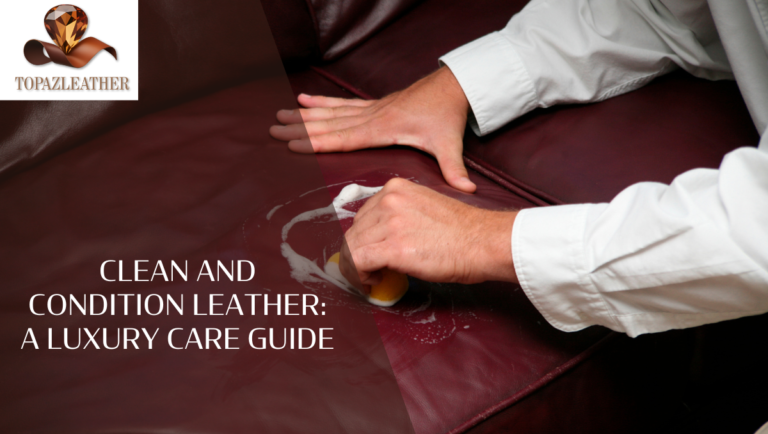
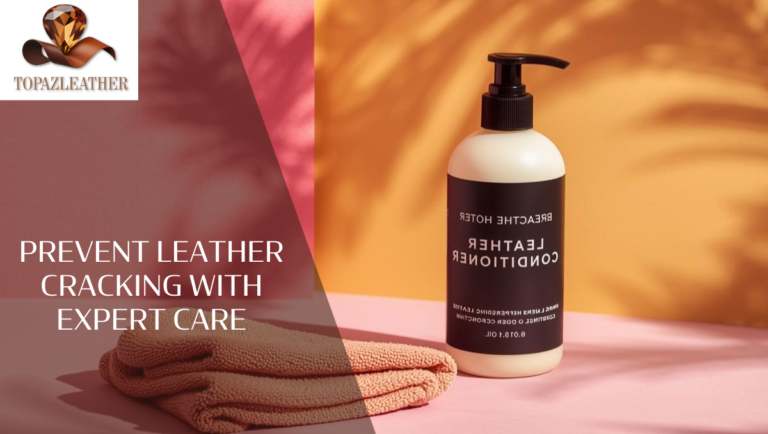
The core question of removing scratches from leather is how to restore surface continuity without compromising the hide’s natural beauty. For light surface scratches, begin by gently warming the leather with your palms. This natural heat can soften the fibres momentarily and make superficial defects less noticeable. Continue by applying a premium leather conditioner with a soft cloth, massaging it into the area in small, circular motions. Rich conditioning products replenish lost oils, supporting the leather’s elasticity and enhancing its ability to absorb subtle repair actions.
When working with conditioner, take cues from trusted design and care authorities such as House Beautiful UK (http://www.housebeautiful.com/uk), which emphasise the importance of matching care products with the material’s finish. Use conditioners formulated specifically for the type of leather you own, as mismatched products can cause discolouration or surface film that detracts from the leather’s premium appearance. Focus on incremental application, since over‑conditioning can leave the leather feeling greasy and attract dust.
After conditioning, gently polish the area with a clean cloth. Polishing in small, consistent motions helps redistribute natural oils and encourages surface fibres to align more uniformly, rendering light scratches less visible. In many cases, this approach restores visual harmony without resorting to more invasive methods.
Addressing Deeper Scratches with Professional Precision
When scratches penetrate beyond the surface finish and affect the grain itself, removing scratches from leather requires more deliberate technique. Deeper scratches interrupt the hide’s structural fibres and benefit from a two‑stage repair process that respects both the hide and its finish. Begin by applying a minimal amount of high‑quality leather balm to the affected area. The balm acts as a bridge, filling microscopic gaps and restoring pliability before more advanced restoration steps.
After allowing the balm to absorb, introduce a subtle repair cream that closely matches the leather’s original colour. High‑end repair creams contain micro‑pigments designed to blend with the hide’s natural tones, effectively masking imperfections without creating a patchy appearance. As you work, maintain uniform, feather‑light pressure to encourage seamless integration. This approach demands patience and precision, echoing the careful attention skilled leatherworkers bring to every handcrafted product.
Many UK designers and craftspeople emphasise the importance of colour consistency when restoring premium materials, a concept reflected in broader British style and restoration discourse (https://www.theguardian.com/uk/fashion). When you respect the integrity of tone and texture, you preserve both the appearance and the story of the leather item.
Encouraging Natural Patina as Part of Leather’s Evolving Character
An enlightened approach to removing scratches from leather recognises that fine leather develops character over time. A patina represents the dialogue between material and experience, and minor marks often enhance rather than detract from this narrative. Rather than eliminating every imperfection, consider whether a visible mark contributes to the leather’s unique journey.
When you care for an ageing hide, you engage with this evolution consciously. Long‑established British design authorities such as Ideal Home UK (http://www.idealhome.co.uk) celebrate the charm of well‑worn materials that tell stories of use and care. Use conditioning and gentle restoration techniques not merely to erase blemishes but to support the leather’s ability to age well. Honour the balance between preservation and evolution, allowing patina to complement rather than conflict with the item’s original elegance.
Preventing Future Scratches Through Conscious Use and Protection
Understanding how to remove scratches from leather pairs effectively, along with strategies for preventing new damage, is crucial because proactive care minimises the need for restoration. Recognise environments and actions that increase abrasion risk, such as prolonged exposure to rough surfaces or contact with sharp objects. When storing leather accessories or furniture, keep them away from direct sunlight and heat sources, which can dry out the fibres and heighten their susceptibility to surface damage. Similar environmental considerations appear in UK household guidance that emphasises material care under varying climatic conditions (https://www.bbc.co.uk/newsround).
Apply leather protectants designed to offer a barrier against light abrasions and stains. While no protectant renders leather impervious, high‑quality formulas support resilience by fortifying the surface without obscuring natural texture. When you practice attentive use and consistently employ protective care, you reduce the frequency and severity of scratches, preserving the hide’s premium quality for longer.
Respecting Ethical Leather Production and Sustainable Care
A comprehensive perspective on removing scratches from leather also acknowledges the broader context of ethical production and sustainability. Leather goods that reflect responsible sourcing and thoughtful manufacturing align with a commitment to long‑term care and repairability. The UK Government’s guidance on consumer goods standards underscores the value of quality that meets safety regulations and environmental considerations (https://www.gov.uk). When you choose ethically produced leather, you invest in materials designed to withstand restorative care and contribute to sustainable consumption.
Moreover, using proper restoration techniques prolongs the life of each piece, reducing waste and fostering a mindful relationship with cherished items. This ethos resonates with contemporary conversations about material longevity and environmental impact, themes present in UK design discourse that value the conscientious maintenance of possessions (https://www.idealhome.co.uk/living).
Treating Special Finishes and Exotic Leathers with Care
Different leather finishes and exotic hides present unique challenges when removing scratches from leather. Suede and nubuck, for example, require specialised brushing tools and revitalising sprays rather than creams or conditioners designed for smooth leather. Approach these materials with respect for their specific textures and consult resources that focus on exotic leather care before introducing any product. Surface alterations in suede demand a different repair vocabulary, one that acknowledges nap and texture rather than surface gloss.
Similarly, hides such as ostrich or crocodile offer distinctive grains that reflect artisanal craftsmanship and rarity. When restoring such exotic leathers, engage with conservators or follow guidance from institutions that specialise in premium materials. Ethical stewardship of rare hides honours both the maker and the wearer, reinforcing a legacy of quality that parallels the highest standards of material care found in specialist museums and heritage organisations.
Embracing Professional Restoration for Complex Cases
Despite careful technique, some scratches may resist amateur repair, particularly those that penetrate deeply or occur on highly valued pieces. In these situations, professional restoration offers the highest assurance of preserving both aesthetic appeal and structural integrity. Skilled restorers employ advanced tools and materials not readily available to most consumers, ensuring that severe scratches receive interventions aligned with museum‑level conservation practices. The architectural expertise community, such as the Royal Institute of British Architects, emphasises professional intervention for complex material restoration (https://www.riba.org), a principle that extends seamlessly to premium leather care.
Professional restorers assess each scratch’s context, tailor their approach to the specific hide, and integrate repair products that maintain harmonious colour and texture. This level of care reflects the same artisanal spirit that crafted the leather itself, honouring the heritage of craftsmanship and extending the life of luxury items.
Long‑Term Leather Care as an Expression of Value
When you understand how to remove scratches from leather within the broader framework of long‑term maintenance, you transform care into an expression of value and respect. Leather does not demand frequent attention, but the right interventions at the right time uphold its beauty—routine conditioning, mindful use, and appropriate storage foster resilience that complements deep insight into restoration techniques.
This mindful approach aligns with the UK’s cultural appreciation of enduring quality, as seen in national media coverage of material longevity and craftsmanship (https://www.theguardian.com/uk/style). When you engage with leather thoughtfully, you invest in the narratives that each piece carries through time.
Final Thoughts on Leather Scratch Restoration
Mastering how to remove scratches from leather elevates both the condition and the story of your cherished items. Honour the hide’s inherent qualities by choosing techniques that balance restoration with respect for natural evolution. Condition surface fibres, address deeper blemishes with care, prevent future damage, and engage professional help when necessary. Through attentive stewardship, you preserve the legacy of fine leather and extend its capacity to evoke admiration and satisfaction.
Elevate Your Leather Care Expertise with Topaz Leather
Experience unparalleled guidance on premium leather maintenance and restoration with Topaz Leather. Our team supports your pursuit of immaculate leather condition and enduring elegance. Contact us to explore bespoke care recommendations and restoration products tailored to your prized leather possessions. Reach us at
+447477227847
Hello@topazleather.com
www.topazleather.com
FAQs
Use premium leather conditioners and repair creams designed for your specific hide type and apply them gently with soft, lint‑free cloths.
Light surface scratches often respond well to conditioning and polishing, while deeper marks may require specialist creams or professional restoration.
Condition leather regularly based on use and exposure to the climate to maintain suppleness and minimise the appearance of minor blemishes.
Avoid household cleaners, as they can strip natural oils and damage finishes; instead, choose products formulated for luxury leather care.
Consult a professional when scratches penetrate deeply, affect exotic hides, or persist after careful repair attempts.