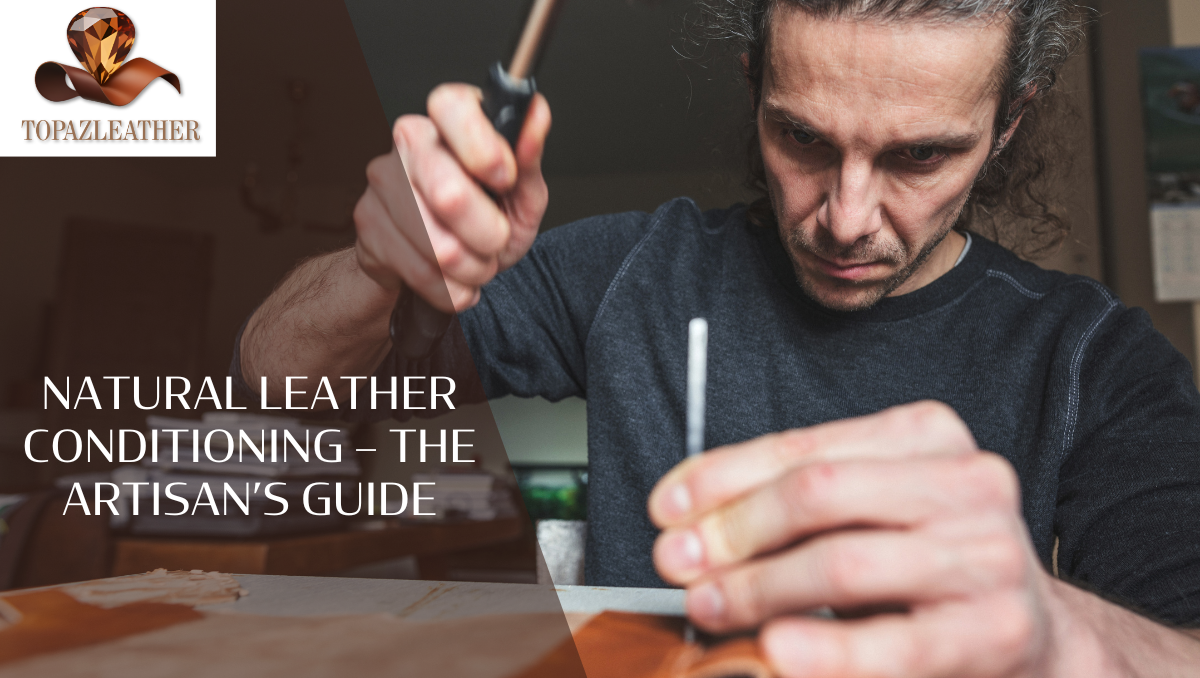
Leather reflects heritage, craftsmanship, and enduring character. Natural leather conditioning preserves that character while protecting strength, flexibility, and the depth of colour. In the United Kingdom, where the climate shifts between damp winters and dry, heated interiors, quality leather demands thoughtful care. Owners who understand how to nourish leather naturally protect their investment and honour the artisanal work behind every handmade belt, wallet, or accessory.
True luxury never relies on synthetic quick fixes. Natural leather conditioning focuses on feeding the fibres with nourishing ingredients that maintain suppleness and resilience. Full-grain leather contains tightly woven fibres that respond positively to gentle oils and balms. When owners apply conditioning correctly, leather develops patina rather than cracks, elegance rather than brittleness.
Understanding Why Natural Leather Conditioning Matters
Leather remains a natural material with an organic structure. It contains fibres that require a moisture balance to retain flexibility. Without proper care, leather can dry, stiffen, and lose richness. Natural leather conditioning restores essential oils that everyday wear gradually reduces.
British media frequently highlight sustainable ownership and quality investment pieces. Articles across https://www.theguardian.com/uk explore responsible consumption and long-term product care. Owners who commit to conditioning leather naturally reduce waste and extend their products’ lifespans. A well-maintained leather belt can serve for a decade or more, while neglected leather deteriorates prematurely.
Craftsmanship deserves preservation. Artisans select premium hides, cut precise straps, and finish edges by hand. Natural leather conditioning respects that effort by supporting fibre integrity and colour depth over time.
How the UK Climate Influences
The British climate introduces humidity and rainfall, and central heating systems draw moisture from materials. These fluctuations create expansion and contraction within leather fibres. Natural leather conditioning counteracts these stresses by maintaining elasticity and hydration.
Government guidance on environmental responsibility and waste reduction is available at https://www.gov.uk/government/organisations/department-for-environment-food-rural-affairs. Extending the lifespan of quality goods supports sustainable living. Owners who care for leather belts and accessories naturally align with that principle.
Moisture exposure requires a careful response. If leather becomes wet, owners should allow it to dry at room temperature. Direct heat can damage fibres. Once dry, Natural leather conditioning replenishes oils and restores suppleness.
Choosing Ingredients for
Quality always begins with ingredients. Natural leather conditioning relies on plant-based oils, beeswax blends, and gentle balms free from harsh chemicals. Natural beeswax seals surfaces lightly while maintaining breathability. Oils such as jojoba or almond penetrate fibres and restore softness.
Consumers increasingly seek transparency in product composition. Consumer advocacy organisations such as https://www.which.co.uk encourage careful review of ingredient lists before purchase. Synthetic conditioners sometimes contain petroleum derivatives that sit on the surface rather than nourish fibres. Natural formulas integrate with the leather structure and enhance long-term resilience.
Handmade leather deserves premium care. Full-grain belts respond exceptionally well to light, consistent conditioning with natural balms. Owners should apply modest amounts and massage gently to allow even absorption.
Step-by-Step Approach
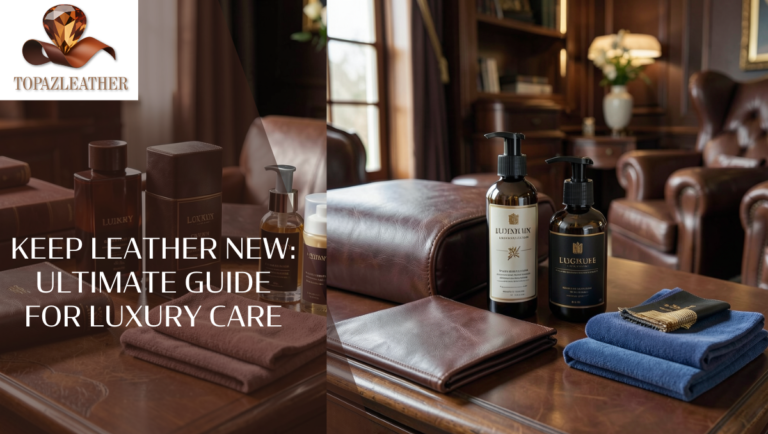
Effective Natural leather conditioning begins with preparation. Owners should remove surface dust using a soft cloth. Clean leather allows oils to penetrate evenly. Light circular motions distribute balm across the grain without oversaturation.
Allow the leather to absorb the conditioner gradually. Patience ensures fibres receive nourishment without residue buildup. After absorption, a gentle buff with a clean cloth enhances natural sheen and highlights patina development.
Design authorities such as https://www.housebeautiful.com/uk/ often emphasise the care of natural materials in interiors. The same philosophy applies to leather accessories. Gentle maintenance protects authenticity and texture.
Frequency of Natural leather conditioning
Owners often ask how frequently they should practise Natural leather conditioning. Frequency depends on use, exposure, and climate. Regularly worn belts may benefit from conditioning every three to six months. Occasional wear requires less frequent application.
Visual cues guide timing. Leather that appears dull, feels stiff, or shows signs of dryness needs nourishment. Conditioning too frequently can oversaturate fibres, so moderation preserves balance.
Property experts at https://www.savills.co.uk and market analysts at https://www.rightmove.co.uk often highlight the importance of routine maintenance in preserving asset value. Leather goods follow the same principle. Consistent, measured care ensures longevity.
Natural leather conditioning and Patina Development
One of leather’s most desirable characteristics involves patina. Natural leather conditioning enhances patina by supporting fibre health rather than masking wear. Patina deepens colour and introduces subtle tonal variation that reflects personal use.
Synthetic products often produce artificial shine that fades quickly. Natural balms encourage authentic maturation. Over time, belts gain refined character rather than superficial gloss.
Design professionals associated with https://www.architecture.com consistently champion honest materials that age gracefully. Leather belongs within that tradition. Conditioning supports this evolution without compromising authenticity.
Avoiding Common Mistakes
Luxury care requires knowledge and restraint. Excessive oil application can unevenly darken leather. Strong chemical cleaners can strip natural oils. Natural leather conditioning avoids shortcuts and prioritises balance.
Owners should avoid household oils such as cooking oil, which can cause rancidity and odour. Specialist natural leather balms deliver reliable performance. Testing the product on a small concealed area ensures compatibility before full application.
Media outlets such as https://www.bbc.co.uk frequently discuss informed consumer decisions and long-term value. Proper leather care reflects that mindset and prevents costly mistakes.
leather conditioning for Handmade Belts
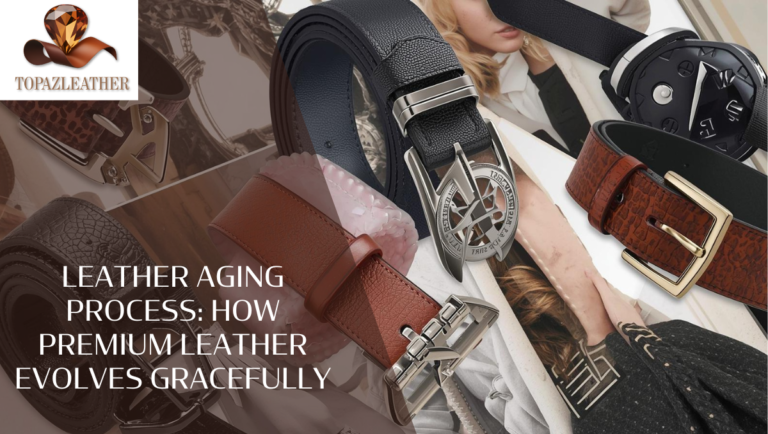
Handmade belts represent structural precision and artisanal pride. Natural leather conditioning protects stress points around buckle holes and edges. Conditioning these areas maintains flexibility and reduces the risk of cracking.
Edge burnishing often defines premium belts. Natural wax-based conditioners maintain smoothness and reinforce finishing details. Owners who treat belts with care preserve shape, colour, and strength for years.
The UK market values craftsmanship deeply. Customers who invest in handmade leather accessories seek lasting performance. Conditioning ensures belts continue to complement tailoring, denim, and formal attire without compromise.
Sustainability and Ethical Ownership
Ethical consumption increasingly influences British buyers. Natural leather conditioning supports sustainable ownership by extending product lifespans. Longer use reduces manufacturing demand and environmental strain.
The environmental discourse within https://www.theguardian.com/uk frequently highlights the importance of buying fewer, better items. A single well-maintained leather belt can replace multiple synthetic alternatives over time.
Responsible care strengthens the relationship between the owner and the product. Conditioning transforms leather maintenance into a ritual that honours heritage and craftsmanship.
Commercial Confidence Through Proper Care
While search intent centres on education, Natural leather conditioning also inspires commercial confidence. Buyers who understand maintenance feel secure investing in premium leather goods. Knowledge eliminates hesitation.
Luxury brands thrive when customers trust product longevity. Conditioning demonstrates that leather improves with time rather than deteriorates. That assurance differentiates genuine craftsmanship from disposable fashion.
Full-grain leather belts from British artisans reward attentive care. Conditioning reveals the depth of grain, enhances tactile quality, and reinforces durability. Owners experience refinement each time they wear their accessory.
Long-Term Value
The financial logic behind Natural leather conditioning remains straightforward. High-quality leather goods command a higher initial investment. Proper care protects that investment and maximises lifespan.
Consumer analysis platforms such as https://www.which.co.uk encourage buyers to evaluate cost-per-use. A conditioned leather belt worn weekly for over ten years delivers exceptional value compared with short-lived alternatives.
Luxury does not rely on excess. Luxury relies on endurance, refinement, and intelligent stewardship. Conditioning embodies those values and sustains product integrity.
Conclusion of Craft and Care
Natural leather conditioning preserves strength, enhances beauty, and protects the legacy of handcrafted leather goods. It supports sustainability, honours craftsmanship, and ensures enduring elegance. Owners who practise careful conditioning nurture both material and meaning.
British heritage prizes quality and longevity. Leather, when cared for naturally, reflects those ideals over the course of decades of wear. Conditioning transforms ownership into a partnership between the artisan and wearer.
Call to Action
Preserve the life and elegance of your leather with expert guidance from Topaz Leather. Our handmade British belts and accessories deserve the finest Natural leather conditioning care to maintain strength, patina, and timeless refinement.
For personalised advice on caring for your premium leather goods or to commission a bespoke piece crafted to last for generations, contact us today.
+447477227847
Hello@topazleather.com
www.topazleather.com
FAQs
How often should I condition leather naturally in the UK?
You should apply a natural conditioner every 3 to 6 months to regularly worn leather items.
Can natural oils darken leather?
Natural oils can slightly deepen colour, so always apply sparingly and test on a small area first.
Is beeswax good for leather belts?
Beeswax protects and nourishes leather while maintaining breathability and flexibility.
Should I condition new leather immediately?
High-quality leather often contains sufficient oils initially, so wait until signs of dryness appear before applying oil.
Does natural conditioning prevent cracks?
Regular natural conditioning maintains fibre flexibility and significantly reduces the risk of cracking.
FAQs
You should apply a natural conditioner every 3 to 6 months to regularly worn leather items.
Natural oils can slightly deepen colour, so always apply sparingly and test on a small area first.
Beeswax protects and nourishes leather while maintaining breathability and flexibility.
High-quality leather often contains sufficient oils initially, so wait until signs of dryness appear before applying oil.
Regular natural conditioning maintains fibre flexibility and significantly reduces the risk of cracking.