Premium leather quality explained for UK buyers
Discerning buyers no longer rely solely on labels. They demand transparency, longevity, and craftsmanship. Understanding Premium leather quality helps you invest with confidence and avoid inferior materials disguised by marketing language. In the UK luxury market, leather goods symbolise heritage, refinement, and enduring style. Yet not all leather meets the same standard. True excellence emerges from raw material selection, tanning integrity, skilled construction, and ethical sourcing.
British consumers increasingly favour durability over disposability. Reporting from https://www.bbc.co.uk highlights a growing movement towards long-lasting fashion investments. When you understand Premium leather quality, you align with this shift and choose products that reward decades of use rather than fleeting trends.
Understanding the Foundation of Premium Leather Quality
Every conversation about Premium leather quality begins with the hide itself. Leather comes from animal skin, but processing determines its performance. The strongest and most valuable form remains full-grain leather. Full-grain leather retains the outermost layer of the hide, which contains dense fibres and natural grain markings. These fibres provide strength, flexibility, and resistance to wear.
Lower grades, such as corrected grain or bonded leather,r undergo sanding, buffing, or synthetic bonding. These processes create uniformity but weaken structural integrity. Over time, coated surfaces may peel or crack. In contrast, full-grain leather develops a patina, a rich surface sheen that deepens with age and handling.
The Leather Working Group at https://www.leatherworkinggroup.com promotes responsible tanning and environmental accountability. Tanneries that meet these standards produce hides that reflect true Premium leather quality in both durability and sustainability.
The Importance of Tanning Methods
Tanning transforms raw hide into durable leather. The method used influences texture, colour depth, flexibility, and ageing behaviour. Vegetable tanning uses natural tannins derived from plant sources. This traditional technique produces leather with warmth, character, and firm structure. Vegetable-tanned leather responds beautifully to wear and gradually softens without losing integrity.
Chrome tanning accelerates production and creates softer, more uniform finishes. Many luxury houses rely on chrome tanning for efficiency. However, vegetable tanning often aligns more closely with heritage craftsmanship and long-term performance.
Public discourse around sustainable production continues to grow. The Guardian’s coverage (https://www.theguardian.com/uk) frequently explores ethical manufacturing in the fashion industry. Consumers who prioritise Premium leather quality increasingly evaluate tanning transparency alongside aesthetic appeal.
Grain Integrity and Surface Character
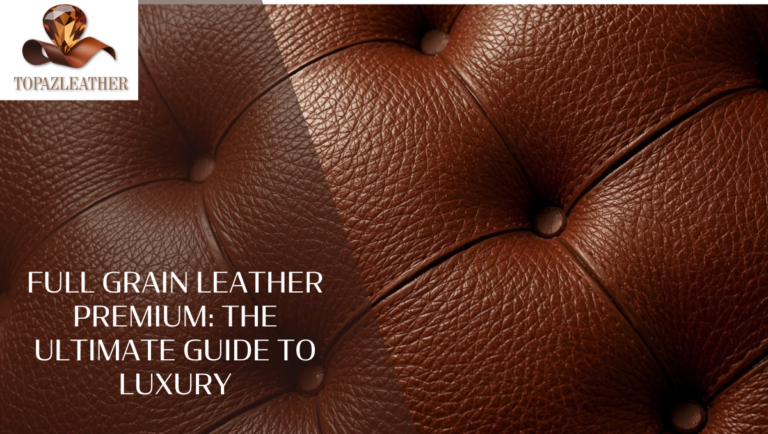
Surface texture reveals crucial clues about the quality of premium leather. Full-grain leather displays natural markings, pores, and subtle variations. These features reflect authenticity rather than imperfection. When artisans embrace natural grain, they celebrate individuality.
Corrected leather often features embossed patterns designed to imitate natural texture. While visually appealing at first glance, embossed finishes cannot replicate the strength of intact fibre layers. Grain integrity determines longevity. When the surface retains its natural structure, it withstands bending, friction, and environmental stress.
Architectural principles highlighted by https://www.architecture.com emphasise structural integrity as the foundation of enduring design. Leather craftsmanship follows the same principle. Strength beneath the surface defines genuine Premium leather quality.
Thickness, Density, and Fibre Strength
Thickness alone does not determine excellence, yet balanced density supports durability. Artisans select hides with uniform thickness to ensure consistent performance. Overly thin leather may stretch excessively, while excessively thick leather may feel rigid and uncomfortable.
A dense fibre structure allows leather to resist tearing and maintain its shape under pressure. This quality proves particularly important in belts, straps, and handles. In handmade leather belts, precise cutting along the correct grain direction prevents warping and enhances structural resilience.
Property experts at https://www.savills.co.uk often stress the importance of a strong foundation in high-value investments. Leather goods operate similarly. When assessing Premium leather quality, you evaluate the internal fibre composition rather than surface shine alone.
Craftsmanship as a Defining Factor
Material excellence alone does not guarantee Premium leather quality. Skilled craftsmanship elevates raw hide into refined accessories. Hand cutting preserves grain alignment. Hand stitching allows precise tension control. Edge burnishing seals fibres and prevents fraying.
Machine stitching may be more efficient, yet hand stitching offers durability and character. Artisans inspect each hide carefully before cutting to avoid structural weaknesses. They reinforce stress points and ensure buckle holes maintain integrity under daily use.
Which? at https://www.which.co.uk consistently encourages UK consumers to scrutinise product construction before purchasing. In leather goods, craftsmanship reveals whether a product meets genuine premium standards or relies solely on branding.
Ageing and Patina Development
True Premium leather quality reveals itself over time. Inferior leather deteriorates with visible cracking and peeling. Premium full-grain leather develops patina. Patina reflects oxidation, handling, and exposure to light. It deepens colour and enhances visual richness.
This ageing process transforms the product into a personal narrative. A belt or bag evolves alongside its owner. The surface tells a story of journeys, milestones, and daily wear. House Beautiful UK (https://www.housebeautiful.com/uk) often celebrates materials that age gracefully in winter interior design. Leather embodies this principle within fashion.
Durability and Cost Per Wear
Consumers increasingly consider cost per wear rather than initial price. BBC business reporting at https://www.bbc.co.uk frequently discusses value-driven purchasing trends. Premium leather quality supports long-term savings through durability.
A well-crafted leather belt may last ten years or more with proper care. Dividing the purchase price by the years of service reveals exceptional value. In contrast, lower-grade leather often requires replacement within a few seasons. Longevity defines real luxury.
Ethical Sourcing and Transparency
Modern luxury demands accountability. Ethical sourcing strengthens the credibility of Premium leather quality. Responsible tanneries manage waste, reduce the use of harmful chemicals, and maintain traceability. Transparent supply chains reassure buyers that craftsmanship aligns with environmental responsibility.
Government resources at https://www.gov.uk guide sustainability and responsible production practices across industries. Leather brands that embrace transparency reflect confidence in their materials and methods.
Handmade leather workshops typically operate on a smaller scale, allowing closer oversight of sourcing. Artisans build long-term relationships with tanneries and ensure consistent adherence to quality standards.
Touch, Smell, and Sensory Indicators
True Premium leather quality engages the senses. The surface feels supple yet firm. It bends without creasing sharply. It emits a rich, natural aroma rather than a synthetic chemical scent.
Synthetic coatings often produce strong artificial smells. Premium vegetable-tanned leather carries a subtle, earthy fragrance that reflects its organic origin. Sensory evaluation provides immediate insight into authenticity.
UK Consumer Perspective on Premium Leather Quality
British style values restraint and authenticity. The Guardian (https://www.theguardian.com/uk) regularly examines public appreciation for heritage brands and craftsmanship. Within this context, Premium leather quality resonates strongly.
Consumers seek products that complement tailored suits, refined casualwear, and professional wardrobes. They expect accessories to last, age beautifully, and align with ethical standards. Handmade leather goods crafted in accordance with these expectations command respect within the UK market.
Why Premium Leather Quality Defines True Luxury
Luxury transcends branding. It emerges from integrity, material excellence, and skilled craftsmanship. Premium leather quality unites these elements. It reflects deliberate hide selection, responsible tanning, precise construction, and long-term durability.
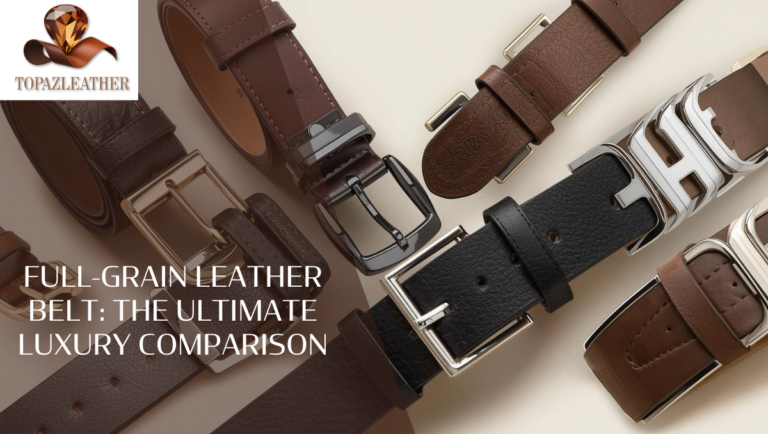
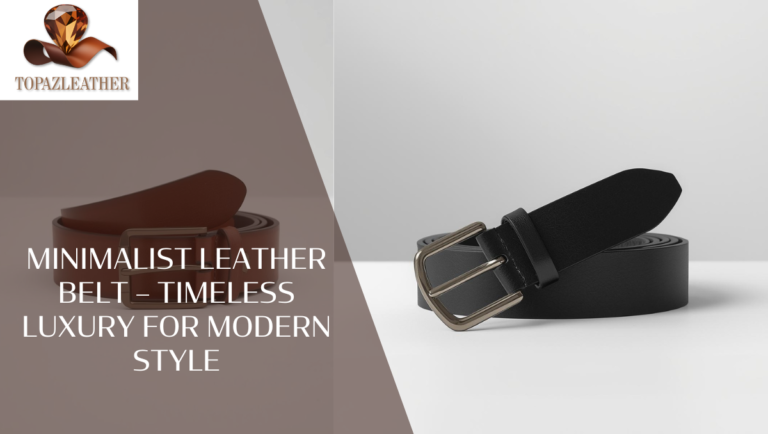
A premium leather belt does more than secure trousers. It anchors style, communicates discernment, and demonstrates commitment to quality. When you invest in genuine craftsmanship, you choose longevity over trend and substance over display.
Elevate Your Wardrobe with Topaz Leather
At Topaz Leather, we define Premium leather quality through uncompromising standards. Our artisans select full-grain hides from responsible tanneries, craft each belt by hand, and finish every edge with meticulous attention. We honour British heritage while delivering modern refinement.
For bespoke handmade leather belts and expert guidance tailored to UK buyers, connect with us today.
+447477227847
Hello@topazleather.com
www.topazleather.com
FAQs
Premium leather quality includes full-grain hide, strong fibre structure, responsible tanning, and skilled craftsmanship.
Full-grain leather shows natural markings, feels dense yet flexible, and develops patina rather than peeling.
Yes. Premium leather maintains strength and flexibility for many years when owners provide proper care.
Vegetable tanning supports durability, natural ageing, and environmental responsibility, which strengthens premium status.
Artisans use superior hides, ethical processes, and detailed craftsmanship, which increase longevity and value.