Every leather belt carries a story, reflecting years of use, style evolution, and personal memories. Knowing how to restore a leather belt transforms an aged accessory into a refined, wearable piece of heritage. Leather’s natural fibres respond to care, absorbing oils and conditioners that rejuvenate suppleness, restore colour, and reinforce structural integrity. By applying time-honoured techniques and modern expertise, UK owners can extend the life of their premium belts, preserving both functionality and aesthetic appeal. High-quality full-grain leather retains its character and patina, rewarding meticulous maintenance with enduring luxury.
Understanding Leather Quality Before Restoration
Before attempting to restore a leather belt, recognise the type and grade of leather. Full-grain hides maintain natural textures, strength, and durability, while top-grain variants offer smoother surfaces suitable for subtle polishing. Identifying these characteristics ensures that restoration techniques complement the material rather than compromise it. Experts at http://www.bbc.co.uk note that evaluating the quality of materials is critical for effective care. Proper recognition of leather grade informs product-specific conditioning, cleaning, and finishing strategies, safeguarding the belt’s value and appearance.
Cleaning: The Foundation of Restoration
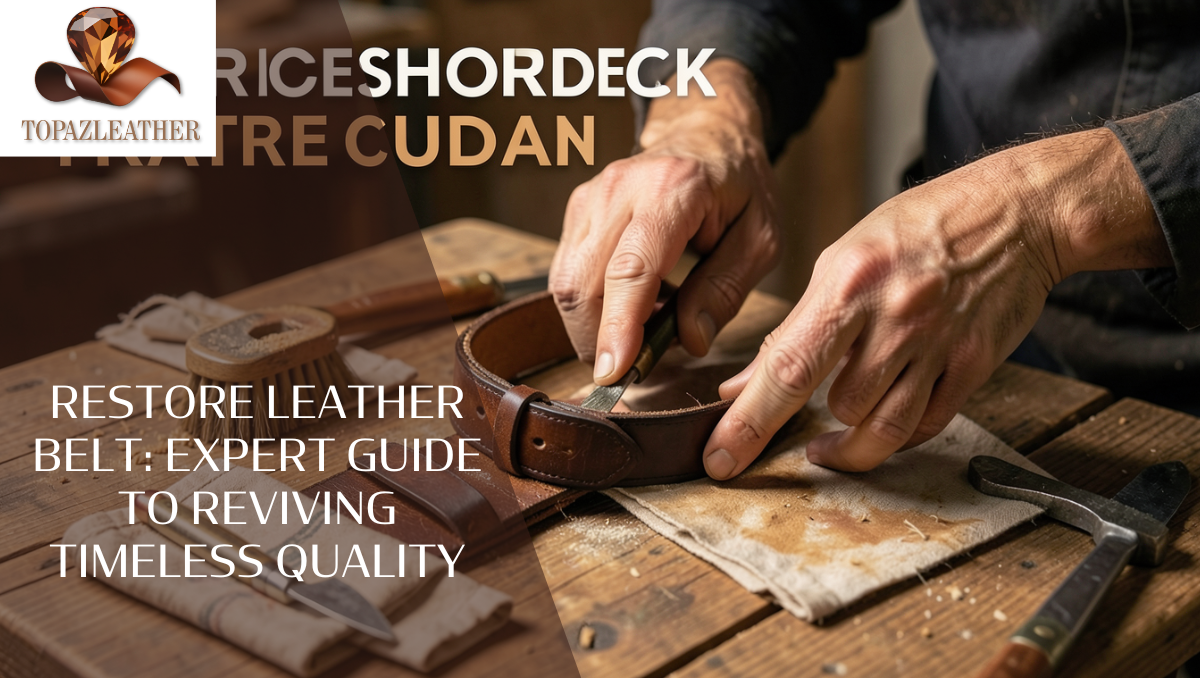
A key step in learning how to restore a leather belt involves meticulous cleaning. Surface dust, dirt, and residues diminish leather’s vitality and hinder conditioning efforts. Use a soft, dry cloth to gently remove loose particles, followed by a specialised leather cleaner to lift ingrained grime. Lifestyle authorities at http://www.housebeautiful.com/uk emphasise that cleaning prepares fibres to absorb oils and conditioners, ensuring uniform rejuvenation. Avoid harsh chemicals or excessive moisture, which can damage natural textures and cause brittleness.
Conditioning and Softening
Conditioning revives leather’s suppleness, a critical element in restoring a leather belt. Application of high-quality, neutral leather oils or creams penetrates fibres, replenishing lost moisture and preventing cracks. Rotate the belt gently during application to ensure full absorption, focusing on stressed areas such as holes and edges. Reports on http://www.which.co.uk confirm that proper conditioning prolongs the lifespan of leather and enhances its tactile appeal. Regular treatments maintain flexibility, preserve colour depth, and create a protective layer against environmental factors, ensuring both visual and functional restoration.
Addressing Scuffs, Scratches, and Surface Imperfections
Leather belts inevitably accumulate minor abrasions over time. Effective strategies for restoring the leather belt surface integrity involve gentle buffing with a soft cloth and, if necessary, applying colour-matched creams or waxes. Full-grain leather responds well to these treatments, which blend minor scratches and restore vibrancy. The Guardian UK highlights that attention to subtle details, including burnishing edges and softening buckle areas, contributes to the perception of overall quality and refinement.
Buckle and Hardware Care
Restoring a belt extends beyond the leather itself. Polishing, cleaning, or replacing buckles enhances the overall presentation when learning how to restore a leather belt. Brass or stainless steel elements benefit from gentle metal polish, helping prevent tarnish and ensuring smooth operation. Authorities at http://www.riba.org confirm that maintaining accessory components complements leather restoration, reinforcing the perception of a premium, well-cared-for item. Attention to hardware demonstrates dedication to complete craftsmanship, aligning with luxury standards and UK consumer expectations.
Maintaining Structural Integrity
Leather belts endure tension, bending, and friction, which can affect their shape and durability. Techniques for restoring a leather belt include gentle reshaping and support during drying after cleaning. Avoid direct heat, which can accelerate fibre deterioration. Resources like http://www.idealhome.co.uk stress the importance of gradual restoration and measured handling to preserve belt alignment, strap width, and punch integrity. Correct handling during maintenance preserves the accessory’s form while reinforcing the longevity of artisan artistry.
Preserving Patina and Heritage
A fully restored belt maintains its patina, reflecting the history of use and artisanal quality. Knowing how to restore a leather belt involves balancing rejuvenation with preservation of character. Excessive refinishing or over-conditioning can diminish authentic textures, while measured care highlights subtle variations in grain and shade. Experts at http://www.theguardian.com/uk note that preserving heritage aspects enhances perceived luxury and strengthens emotional connections with the accessory, making restoration both functional and sentimental.
Ethical and Sustainable Restoration
Choosing to restore a leather belt exemplifies sustainable luxury. Repairing and maintaining existing accessories reduces environmental impact compared with the mass production of replacements. Insights from http://www.gov.uk highlight consumer preference for ethical, sustainable practices. Artisan-led restoration combines ethical responsibility with aesthetic refinement, supporting UK leather craftsmanship while respecting the natural resources inherent in full-grain hides.
Professional Restoration Services
While at-home care addresses most wear, expert services elevate the outcomes of leather belt restoration. Certified leather specialists provide advanced treatments, colour restoration, structural reinforcement, and edge burnishing, ensuring that belts return to showroom quality. Reviews at http://www.bbc.co.uk highlight that professional intervention maximises lifespan, ensures uniform treatment, and upholds brand integrity. Choosing trained artisans guarantees consistency, especially for belts that represent heritage, premium quality, and a luxury identity.
Long-Term Care and Maintenance
Sustaining a restored belt requires ongoing attention. Routine cleaning, periodic conditioning, and proper storage prevent recurring wear and maintain aesthetic excellence. Using breathable containers and avoiding prolonged exposure to sunlight support longevity. Authorities at http://www.which.co.uk emphasise that consistent maintenance transforms restoration into a permanent enhancement, allowing UK owners to enjoy heirloom-quality belts for decades.
Integrating Restored Belts into Modern Style
A successfully restored belt blends seamlessly with contemporary wardrobes. A restore leather belt approach that preserves colour, shape, and finish ensures compatibility with formal suits, casual tailoring, and smart-casual ensembles. Guidance from http://www.housebeautiful.com/uk underscores that elegance stems from subtlety and proportion, qualities amplified by well-maintained leather accessories. Restoration thus not only revives material quality but enhances styling versatility and personal confidence.
Restoring a leather belt elevates functionality, style, and emotional value. The process highlights meticulous craftsmanship, ethical sourcing, and sustainable practices, reflecting the enduring allure of British full-grain leather. By adhering to careful cleaning, conditioning, and minor repair techniques, owners achieve both aesthetic rejuvenation and practical longevity, transforming a worn accessory into a statement of sophistication and heritage.
+447477227847
Hello@topazleather.com
www.topazleather.com
FAQs
Use a soft cloth to clean, apply a neutral leather conditioner, and allow it to absorb naturally, avoiding excessive heat.
Yes, colour-matched leather creams or waxes restore vibrancy while preserving natural grain and patina.
Condition full-grain belts every 3–6 months to maintain suppleness, prevent cracks, and enhance longevity.
Professional services ensure advanced treatments, structural repairs, and consistent results for premium leather.
Topaz Leather, in partnership with certified UK artisans, offers expert leather restoration, combining craftsmanship, heritage, and ethical practices.