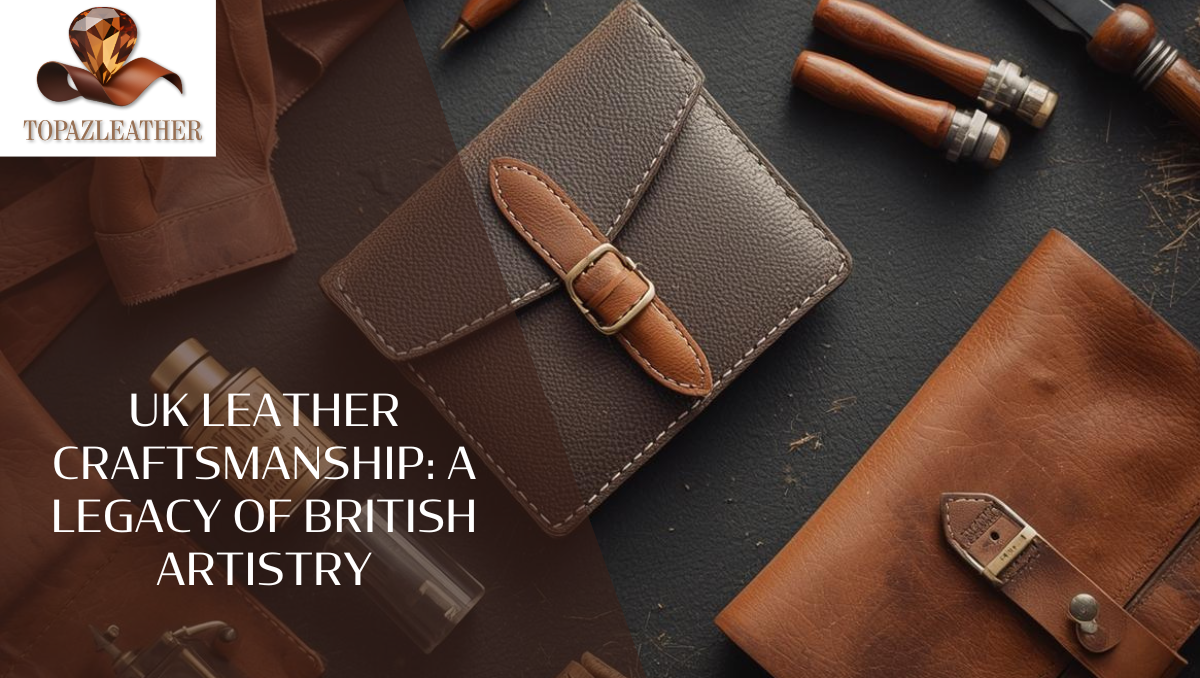
UK leather craftsmanship represents centuries of British expertise, blending heritage, precision, and premium materials to produce handmade leather products revered worldwide. From the earliest tanneries to contemporary ateliers, the UK has maintained a tradition of meticulous leatherwork, creating accessories that combine durability, elegance, and artisanal integrity. For connoisseurs of luxury goods, understanding this legacy explains why British leather products continue to command respect, attract investment, and earn enduring loyalty among discerning buyers.
The origins of UK leather craftsmanship trace back to medieval Britain, when tanneries emerged in towns across England, Scotland, and Wales. Leather provided essential protection and utility, from armour to saddlery. British tanners mastered vegetable tanning techniques using oak bark and natural tannins, a method documented by the Leather Conservancy UK that ensured both strength and flexibility in hides. These early innovations laid the foundation for a premium leather culture in which durability and aesthetics coexisted, shaping the modern approach to handcrafted wallets, belts, and bags.
Evolution of artisanal techniques
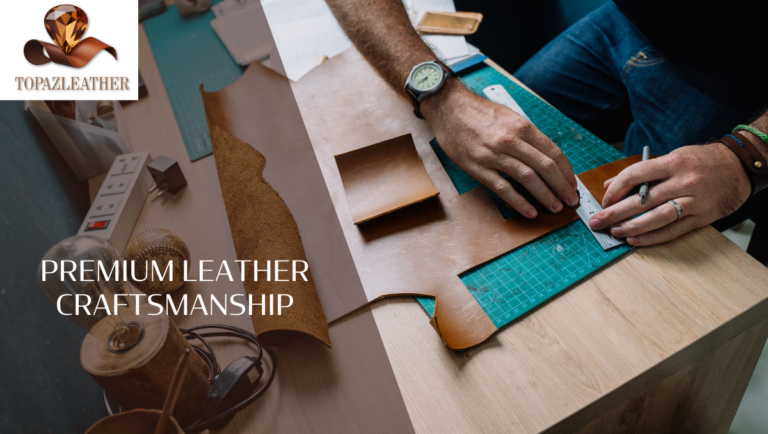
The Industrial Revolution introduced mechanised processes, yet UK leather craftsmanship retained a commitment to handwork for high-end products. Artisans refined cutting, stitching, and finishing techniques, balancing efficiency with the tactile and visual qualities that define luxury. Institutions such as the British Leather Federation note that handmade detailing, from saddle stitching to edge painting, ensures that each accessory embodies character and resilience unattainable through purely mechanical methods.
Vegetable-tanned leather, characteristic of British workshops, undergoes a slow transformation over time, developing a patina that tells its history. This evolution reinforces why collectors and professionals prioritise authenticity over synthetic substitutes. Expert guidance from Leather Naturally underscores that premium hides, when handled through traditional methods, achieve unmatched strength and tactile richness.
Regional craftsmanship and style
Different regions of the UK contributed unique techniques and aesthetics. Northamptonshire, historically known for shoemaking, fostered a culture of precision cutting and finishing. London’s bespoke ateliers integrated fashion-forward design with technical expertise. Scotland’s Highland tanneries emphasised rugged durability, producing hides suited for equestrian and outdoor use. UK leather craftsmanship reflects this diversity, offering products that combine regional heritage with contemporary appeal.
Renowned British institutions, including The Victoria & Albert Museum and The British Museum, preserve historic leatherworks, demonstrating the cultural significance of artisanal practices. Observing these collections informs modern techniques, inspiring makers to blend heritage methods with sustainable innovation. Contemporary British designers showcase these practices in luxury accessories, reinforcing the value of UK leather craftsmanship as both functional and aesthetic.
Ethical sourcing and sustainability
Modern consumers prioritise ethical production. UK leather craftsmanship integrates sustainable sourcing, ensuring hides come from certified suppliers that comply with environmental and animal-welfare standards. DEFRA regulations guide responsible practices, while tanneries recognised by the Leather Working Group demonstrate transparency in chemical use, waste management, and energy consumption. Topaz Leather Upholds these standards, combining artisanal expertise with eco-conscious responsibility to deliver products that respect both heritage and the environment.
Sustainability extends beyond sourcing. Crafting durable, repairable leather goods reduces waste and helps ensure items maintain functionality for decades. Conditioners, protective finishes, and careful storage reinforce longevity, aligning with principles advocated by Which? UK for high-value purchases. UK leather craftsmanship thrives not only through artistry but also through stewardship of materials, echoing a commitment to conscientious consumption among luxury buyers.
The art of handmade detailing
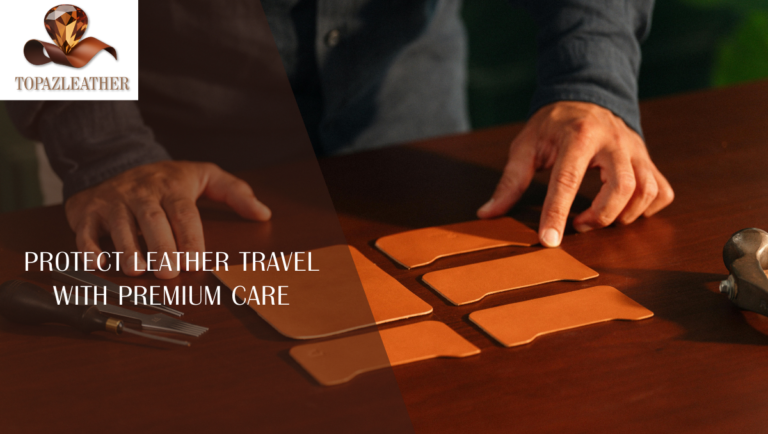
Hand-stitching exemplifies UK leather craftsmanship, where precision, tension, and pattern dictate durability and visual harmony. Artisans employ techniques such as saddle stitching, known for its strength, which machine methods cannot replicate. Edge finishing, burnishing, and colour application require iterative expertise, with each step revealing the attention to detail expected of premium British leather. Institutions like Harrods and Selfridges recognise that customers associate meticulous handwork with quality, authenticity, and value, reinforcing the importance of artisanal methods.
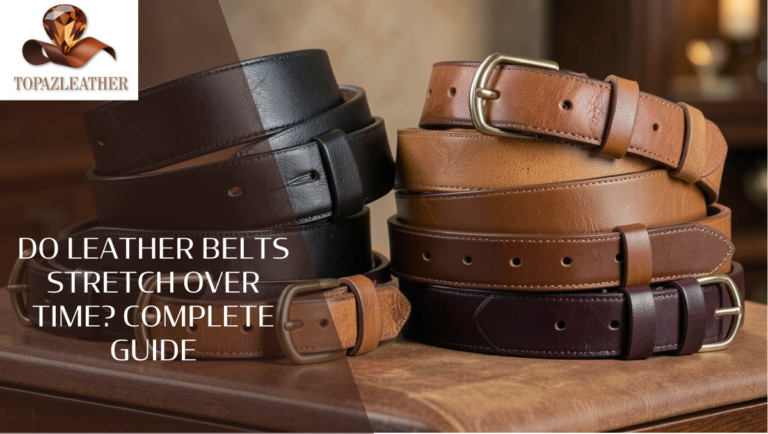
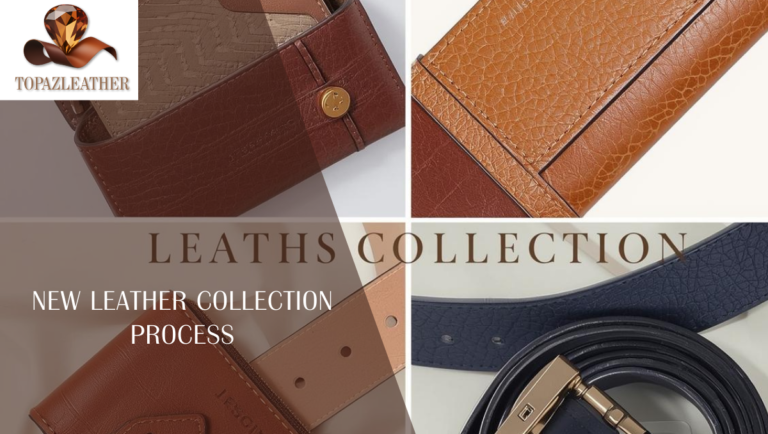
Accessories such as wallets, belts, and briefcases exemplify the translation of historical knowledge into contemporary luxury. Full-grain hides, natural patina, and reinforced stitching demonstrate how UK leather craftsmanship merges utility with prestige. These items become more than functional tools; they narrate a legacy of skill, precision, and dedication that defines British luxury leather today.
Craftsmanship as cultural identity
Leather reflects British identity, blending practicality with refinement. From equestrian culture to urban professional settings, UK leather craftsmanship defines both status and taste. Heritage brands emphasise storytelling, linking modern products to centuries-old practices. Publications like GQ UK highlight that consumers seek not only durability but cultural resonance, valuing items that signify a connection to history, tradition, and artisanal excellence.
British leather continues to influence global luxury standards. International collectors, designers, and buyers acknowledge that handmade British leather embodies a synthesis of aesthetics, performance, and ethical responsibility. This recognition elevates the UK as a benchmark in leather artistry, distinguishing products through provenance, quality, and narrative depth.
Preserving and advancing tradition
Education ensures the survival of UK leather craftsmanship. Apprenticeships, workshops, and collaborations between heritage tanneries and modern designers cultivate a new generation of artisans. The British Fashion Council and City & Guilds support initiatives that teach historical techniques while integrating sustainable innovation. Topaz Leather embodies this philosophy, merging contemporary design with time-honoured methods to produce accessories that honour tradition while meeting modern expectations.
Innovation complements tradition. Experimentation with vegetable-tanned finishes, unique dyes, and sustainable treatments demonstrates that UK leather craftsmanship evolves without compromising quality. Artisans balance aesthetic creativity with structural integrity, ensuring every product combines historical authenticity with contemporary luxury appeal.
Conclusion: Heritage, quality, and luxury
UK leather craftsmanship represents a convergence of heritage, artisanal skill, and the selection of premium materials. British artisans have refined tanning, cutting, stitching, and finishing techniques over centuries, producing leather goods that convey durability, elegance, and cultural resonance. Ethical sourcing, sustainability, and meticulous care reinforce the prestige of handmade products, ensuring longevity and timeless appeal. For buyers seeking premium accessories, understanding and valuing UK leather craftsmanship transforms ownership into an experience of heritage, refinement, and enduring luxury.
Experience British Leather Excellence
Invest in accessories that reflect centuries of expertise and UK leather craftsmanship. Contact Topaz Leather for bespoke advice and acquire handmade leather products designed for enduring elegance.
+447477227847
Hello@topazleather.com
www.topazleather.com
FAQs
It combines heritage techniques, premium hides, and precise handwork to produce durable, elegant, and authentic leather goods.
Yes, certified tanneries and responsible sourcing ensure ethical production and environmental compliance.
Full-grain and top-grain hides dominate, prized for strength, suppleness, and the ability to develop patina.
Through hand-stitching, edge finishing, conditioning, and meticulous attention to detail at every stage.
They offer unmatched durability, cultural heritage, premium aesthetics, and assurance of ethical craftsmanship.