Leather Buying Mistakes That Cost You Quality and Value
Every year, British consumers invest thousands in leather accessories, yet many repeat the same Leather buying mistakes that compromise durability, craftsmanship, and long-term value. In 2026, informed buying defines true luxury. A leather belt, wallet, or bag should reflect heritage skill, full-grain quality, and ethical production. When buyers focus only on price or appearance, they undermine the very qualities that make leather exceptional.
UK media platforms such as https://www.bbc.co.uk and https://www.theguardian.com/uk consistently highlight the rise of conscious consumerism. Shoppers now demand transparency, sustainability, and craftsmanship. Avoiding common Leather buying mistakes ensures you invest in pieces that age beautifully and deliver genuine cost-per-wear value.
Ignoring Leather Grade and Grain Quality
Most mistakes begin with a misunderstanding of leather grades. Full-grain leather represents the highest quality because it retains the hide’s strongest outer layer. It develops patina, resists cracking, and offers structural integrity. Top-grain leather removes part of the surface, which reduces strength. Bonded leather combines scraps with adhesives, resulting in premature deterioration.
Many buyers rely on vague marketing terms rather than precise material descriptions. Retailers often promote “genuine leather” without clarifying the grade. That label does not guarantee premium quality. Discerning British buyers should demand transparency about tannery source, hide selection, and finishing process.
Consumer guidance from https://www.which.co.uk encourages scrutiny when evaluating product claims. By avoiding these leather-buying mistakes, you protect your investment and align with craftsmanship values rooted in British heritage.
Prioritising Price Over Craftsmanship
Price sensitivity often drives purchasing decisions, yet this mindset can lead to costly leather-buying mistakes. Low-cost leather goods often rely on corrected grain, synthetic backing, or shortcuts in mass production. These compromises shorten lifespan and diminish aesthetic refinement.
Luxury leather reflects skilled hand-finishing, disciplined stitching, and quality control at every stage. Artisans cut each piece carefully, inspect grain consistency, and reinforce stress points. This dedication demands time and expertise.
Institutions such as https://www.riba.org celebrate structural integrity and design precision. Leather craftsmanship follows similar principles. When buyers choose quality over short-term savings, they secure durability and elegance that endure for years.
Overlooking Stitching and Construction
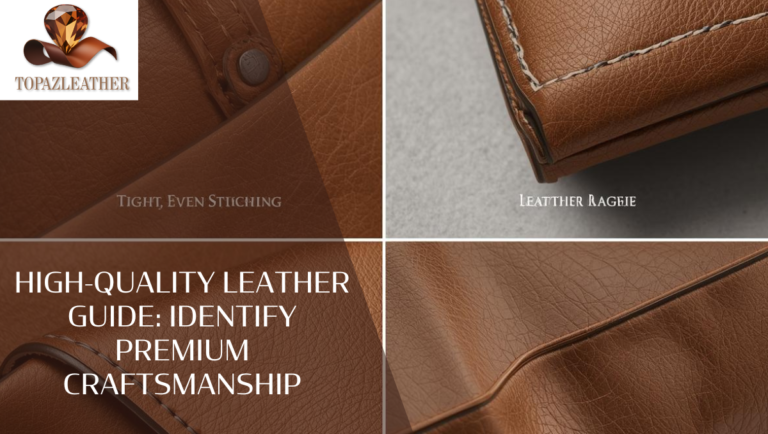
Many Leather buying mistakes occur because buyers focus solely on surface appearance. Stitching quality determines structural strength. Uneven stitching, loose threads, and inconsistent spacing signal rushed production.
Hand-stitched or reinforced saddle stitching delivers superior resilience. Skilled artisans position each stitch deliberately to prevent seam failure. Hardware attachment also influences durability. Solid brass or stainless steel buckles resist corrosion and maintain their visual appeal.
Lifestyle authorities such as https://www.housebeautiful.com/uk often emphasise construction quality in home furnishings. Leather accessories deserve identical scrutiny. Construction integrity defines long-term performance.
Failing to Assess Edge Finishing
Edge finishing reveals craftsmanship standards. Poorly finished edges crack, fray, and discolour. One of the most overlooked leather-buying mistakes involves ignoring edge burnishing and sealing.
Premium leather goods feature smooth, sealed edges that prevent moisture penetration and fibre separation. Artisans apply edge dye precisely and polish to achieve durability and refinement. This detail enhances comfort and longevity, particularly for belts and straps that experience daily friction.
British consumers increasingly recognise these markers of quality. Media commentary at https://www.theguardian.com/uk frequently underscores attention to detail as a defining element of luxury purchasing.
Ignoring Ethical Production and Sourcing
Modern UK buyers value ethical production. Overlooking sourcing practices is another significant mistake in leather buying. Responsible brands maintain transparency regarding tannery standards and labour conditions.
Government guidance at https://www.gov.uk outlines trade regulations and consumer protections that reinforce ethical accountability. Buyers should seek brands that prioritise responsible sourcing and local craftsmanship.
Ethical production strengthens trust and supports skilled employment in Britain. Property and heritage insights from https://www.savills.co.uk often highlight the value of preserving British expertise. Leather craftsmanship reflects that same national pride.
Choosing Trend Over Timeless Design
Trends attract attention, yet trend-driven purchases often lead to regret. Many leather-buying mistakes stem from selecting exaggerated styles that quickly lose relevance. Timeless design ensures longevity.
Classic silhouettes, balanced proportions, and refined colour palettes deliver enduring appeal. Deep brown, black, and tan integrate seamlessly into British wardrobes. Subtle detailing enhances elegance without overwhelming versatility.
Publications such as https://www.bbc.co.uk regularly analyse fashion cycles and shifting consumer behaviour. Sophisticated buyers prioritise longevity over fleeting aesthetics. Investment leather goods should complement evolving wardrobes rather than restrict them.
Neglecting Proper Fit and Function
Fit determines comfort and visual harmony. Buyers frequently make leather-buying mistakes by selecting incorrect belt sizes or poorly proportioned bags. Ill-fitting accessories disrupt the silhouette and reduce usability.
A properly sized belt centres the buckle and distributes tension evenly. A well-structured wallet maintains shape without excessive bulk. Functionality should align with lifestyle requirements. Buyers must consider daily usage patterns before purchasing.
Lifestyle guidance from https://www.idealhome.co.uk frequently emphasizes the integration of practical design. Leather accessories should support daily routines while elevating style.
Overlooking Aftercare Requirements
Luxury leather requires maintenance. Another common leather-buying mistake involves ignoring aftercare. Full-grain leather thrives with periodic conditioning and careful storage.
Quality brands provide care guidance and recommend specialist products. Proper maintenance preserves suppleness, prevents cracking, and enhances patina development. Consumers who understand care expectations maximise longevity.
Consumer advocacy platforms such as https://www.which.co.uk encourage proactive product maintenance. Leather accessories reward attentive ownership with years of reliable service.
Falling for Misleading Marketing Language
Ambiguous terminology contributes to widespread Leather buying mistakes. Words such as “premium” or “authentic” lack standardised definitions. Buyers should request clear information regarding leather type, tanning process, and origin.
Transparent brands accurately describe vegetable tanning, chrome tanning, or hybrid methods. They explain grain integrity and finishing techniques. This clarity builds confidence and reduces risk.
British buyers now demand authenticity. Media coverage at https://www.theguardian.com/uk highlights increasing scrutiny of marketing claims. Informed consumers reward honesty with loyalty.
Underestimating Long-Term Value
Luxury leather goods represent long-term investments. Buyers who focus solely on immediate cost make significant leather-buying mistakes. High-quality full-grain leather offers exceptional durability and cost-per-wear efficiency.
Mass-produced alternatives deteriorate quickly and require frequent replacement. Premium handmade leather goods age gracefully and maintain structural integrity. This longevity reduces cumulative expenditure.
Authorities such as https://www.which.co.uk consistently emphasise value over time rather than initial price. Leather buying decisions should follow this principle.
Trusting Unknown Retailers Without Research
Digital marketplaces provide convenience, yet they also increase risk. Buyers sometimes make mistakes when buying leather by purchasing from unverified sellers. Established British brands offer transparency, contact details, and evidence of craftsmanship.
Reputable companies showcase workshops, material sourcing, and production standards. They maintain accessible communication channels and uphold consumer rights outlined at https://www.gov.uk. Trustworthy retailers protect both quality and buyer confidence.
Choosing Handmade British Craftsmanship
Avoiding leather-buying mistakes requires commitment to quality, ethics, and informed evaluation. Handmade British leather goods embody heritage skill and disciplined craftsmanship. Skilled artisans carefully inspect hides, cut precisely, and finish meticulously.
British design institutions such as https://www.riba.org celebrate excellence grounded in structural precision and aesthetic refinement. Leather craftsmanship shares these principles. When buyers choose reputable British makers, they support national expertise and secure premium quality.
Luxury leather belts, wallets, and accessories should reflect integrity, durability, and timeless design. Discerning consumers who understand these factors avoid regret and enjoy enduring satisfaction.
Invest with Confidence in Premium Leather
Avoid common leather-buying mistakes and elevate your standards. Choose full-grain leather, ethical sourcing, and handcrafted precision. Invest in accessories that honour British craftsmanship and reward you with longevity and refinement.
Discover premium handmade leather goods crafted in Britain with uncompromising quality and timeless elegance.
+447477227847
Hello@topazleather.com
www.topazleather.com
FAQs
Buyers often ignore leather grade, stitching quality, and ethical sourcing while focusing only on price.
Full-grain leather shows natural grain variation, strong structure, and develops patina over time.
Not always. Buyers should evaluate material grade, construction, and brand transparency rather than price alone.
Bonded leather contains fragmented fibres and adhesives that lack structural strength.
Yes. Skilled craftsmanship, premium materials, and ethical production deliver superior durability and long-term value.