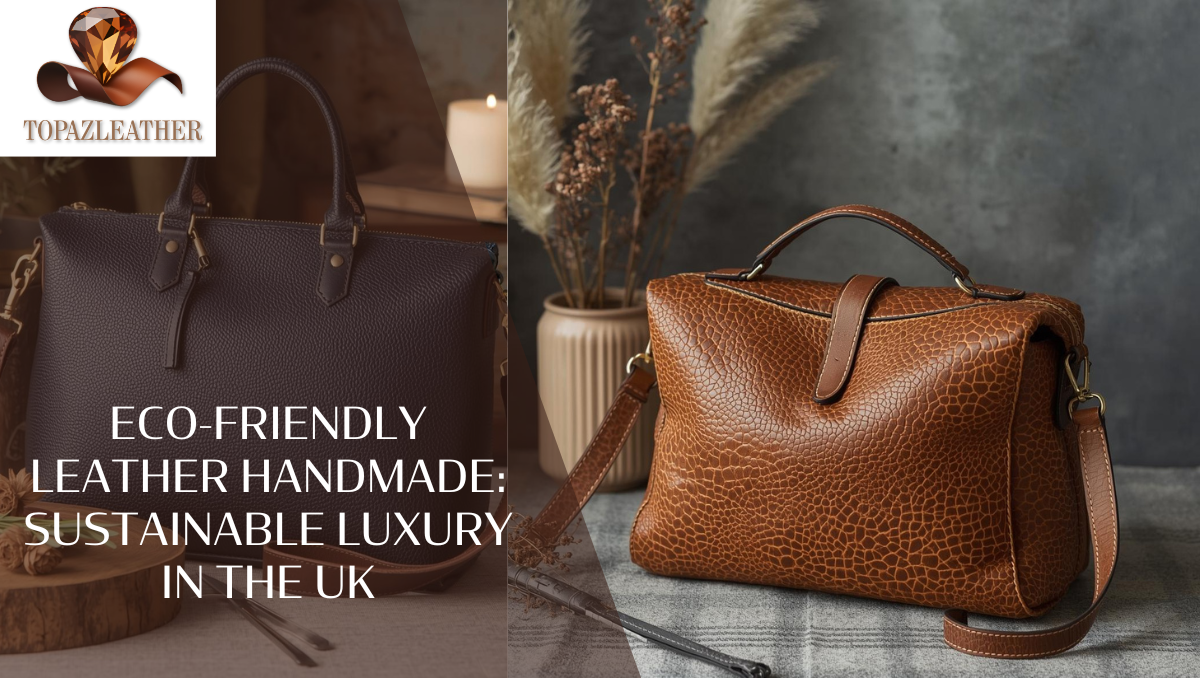
Eco-Friendly Handmade Leather: Sustainable Luxury in the UK for 2026
Eco-friendly, handmade leather represents the future of sustainable luxury in the United Kingdom. As British consumers increasingly value ethical sourcing, durability, and environmental responsibility, handcrafted leather stands at the intersection of heritage and conscious living. Every handmade piece reflects precision, sustainability, and long-term value.
Responsible Sourcing: The Foundation of Sustainable Leather
The environmental advantages of handmade leather begin with sourcing. Artisans select hides from responsible suppliers who adhere to sustainable livestock management and traceable production standards.
Organisations such as the Leather Working Group enforce environmentally safe tanning processes, reducing chemical runoff and water usage. Learn more at:
https://www.leatherworkinggroup.com
When you choose eco-friendly, handmade leather, you support practices that minimise ecological harm while preserving the natural integrity of the hide.
Traditional Handcrafting and Reduced Energy Consumption
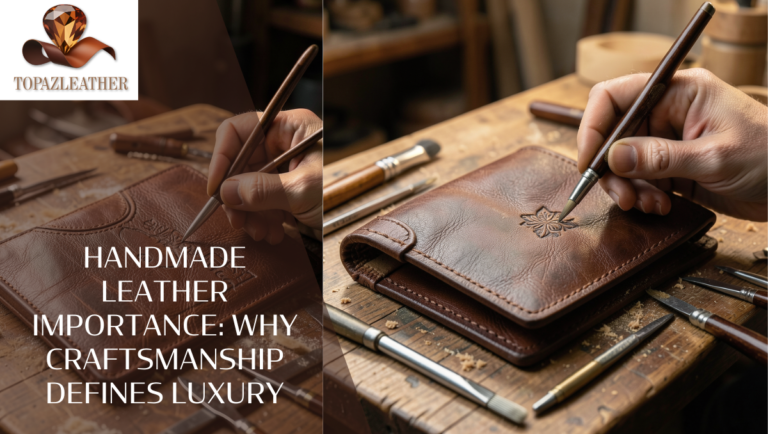
Hand-stitching leather demands precision and attention. Skilled artisans employ traditional techniques that reduce energy consumption compared with industrial mass-production machinery.
This meticulous process ensures minimal waste and enhances durability, creating products designed to endure decades rather than seasons.
Insights from the UK fashion industry report highlight how supporting artisanal production fosters local economies and preserves cultural heritage:
https://www.gov.uk/government/publications/uk-fashion-industry-report
Each handcrafted piece, therefore,e carries both environmental and cultural significance.
Vegetable Tanning: Natural Methods for Premium Quality
Tanning methods define both sustainability and product excellence. Vegetable tanning, widely used in premium UK workshops, relies on natural plant extracts rather than synthetic chemicals.
This approach prevents toxic effluent while producing leather that develops a rich patina over time. According to House Beautiful UK, natural materials increasingly align with modern lifestyle aesthetics.
Fashion and sustainability insights available at:
https://www.housebeautiful.com/uk/fashion-style/fashion-trends/
Selecting vegetable-tanned leather ensures both environmental responsibility and tactile sophistication.
Durability as a Core Sustainability Principle
True sustainability depends on longevity. Full-grain leather withstands wear and tear while ageing gracefully, reducing the need for replacement.
BBC guidance on sustainable consumer habits reinforces that long-lasting goods minimise landfill waste.
Environmental reporting available at:
https://www.bbc.co.uk/news/uk/environment
Investing in eco-friendly, handmade leather enhances environmental stewardship while maintaining timeless style.
Natural Dyes and Low-Impact Finishing
Colouring and finishing processes significantly influence sustainability. Premium workshops apply natural dyes derived from plant extracts or mineral compounds, avoiding harsh chemical treatments.
Consumer experts at Which? Note that buyers increasingly scrutinise product composition and transparency.
Consumer guidance available at:
https://www.which.co.uk
Non-toxic finishing preserves breathability while ensuring responsible disposal at the end of life.
Ethical Labour and Social Responsibility
Handmade leather production supports ethical labour practices. Skilled artisans receive fair wages and operate in environments that respect craftsmanship and safety.
Standards emphasised by the Royal Institute of British Architects demonstrate how excellence flourishes in supportive, well-regulated settings.
Professional standards information:
https://www.riba.org
Choosing eco-friendly, handmade leather reflects a commitment to both social and environmental responsibility.
Supply Chain Transparency and Traceability
Transparency defines modern UK luxury. From hide sourcing to final finishing, traceable production ensures accountability at every stage.
Reporting from The Guardian confirms that discerning consumers increasingly favour brands with verifiable ethical practices.
Environmental coverage available at:
https://www.theguardian.com/uk/environment
Traceability reinforces confidence and strengthens brand trust.
Water and Energy Efficiency in Local Production
Smaller workshops often utilise renewable energy sources, optimise resource use, and recycle water during tanning and finishing processes.
Luxury property and lifestyle research from Savills suggests that sustainable local production contributes to broader urban and rural environmental goals.
Research insights available at:
https://www.savills.co.uk/research_articles/229130/306647-0
Each handmade leather product, therefore,e embodies careful resource stewardship.
Sustainable Packaging and Responsible Presentation
Packaging completes the sustainability cycle. UK luxury leather brands are increasingly adopting recyclable, minimalist packaging to reduce waste.
Lifestyle commentary from Rightmove highlights how responsible presentation enhances brand perception.
Industry commentary available at:
https://www.rightmove.co.uk/news/
The eco-conscious experience extends beyond the product to its entire lifecycle.
Maintenance and Circular Fashion Principles
Proper care extends the lifespan of leather goods and supports circular fashion principles.
Seasonal care advice from Ideal Home UK emphasises conditioning and protection to prevent premature deterioration.
Care insights available at:
https://www.idealhome.co.uk/news/fashion-accessories
Maintained correctly, handmade leather evolves beautifully over decades.
British Heritage and Craft Preservation
Artisanal leather production sustains British heritage. Workshops in Northampton, London, and Edinburgh preserve centuries-old techniques while integrating ethical sourcing and modern innovation.
Government industry analysis available at:
https://www.gov.uk/government/publications/uk-fashion-industry-report
Preserving traditional skills reinforces the premium value of eco-friendly handmade leather in the UK market.
Luxury Without Compromise in 2026
In 2026, sustainable fashion no longer sacrifices luxury. Full-grain hides, ethical tanning, meticulous handcrafting, and low-impact finishing collectively define eco-friendly leather handmade products.
Consumers gain both aesthetic satisfaction and ethical assurance, aligning personal style with ecological stewardship. Every purchase reflects taste, responsibility, and respect for craft.
Why Choose Topaz Leather
Topaz Leather exemplifies the intersection of heritage, craftsmanship, and sustainability. Our handmade accessories deliver elegance, durability, and environmental integrity in equal measure.
Each piece reflects a commitment to beauty, resilience, and responsible luxury.
Call to Action
Discover the allure of eco-friendly leather handmade with Topaz Leather.
Elevate your wardrobe while supporting sustainable craftsmanship.
 +44 7477 227847
 Hello@topazleather.com
 https://www.topazleather.com