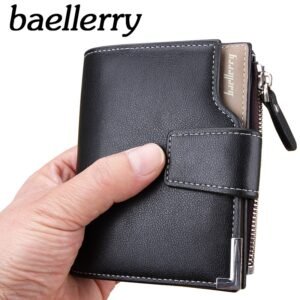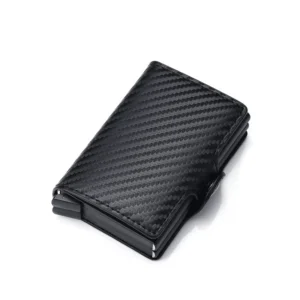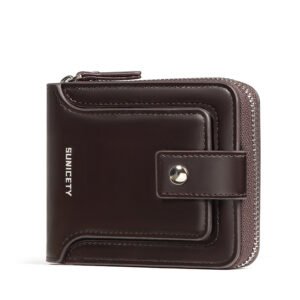
Distinguishing true leather from imitation begins with understanding the material’s inherent qualities, making it a crucial skill for any discerning buyer. Leather embodies centuries of heritage, artisanal expertise, and natural durability. When you invest in genuine leather, you secure an accessory or furniture piece that improves with age, displaying a unique patina and resilience unattainable in synthetic alternatives. In the UK, consumers increasingly value transparency and authenticity, making the ability to differentiate real leather from faux a vital part of informed purchasing.
Understanding Leather Origins and Types
To master how to identify genuine leather, you must first understand where leather comes from and its types. Leather originates from animal hides, most commonly cow, goat, or sheep, each offering distinct characteristics in grain, texture, and durability. Full‑grain leather preserves the hide’s surface layer, showcasing natural markings, pores, and subtle imperfections that signal authenticity. Top-grain leather undergoes light sanding or buffing, which removes minor surface defects while maintaining strength and flexibility. Genuine leather, in broader UK market terms, encompasses both these high-quality options and bonded leather, though the latter blends scraps and offers lower longevity.
The UK Government emphasises the importance of consumer awareness regarding product composition and safety standards (https://www.gov.uk/consumer-protection-rights). Recognising the differences between leather types equips buyers to make decisions that align with durability, ethical sourcing, and long-term style.
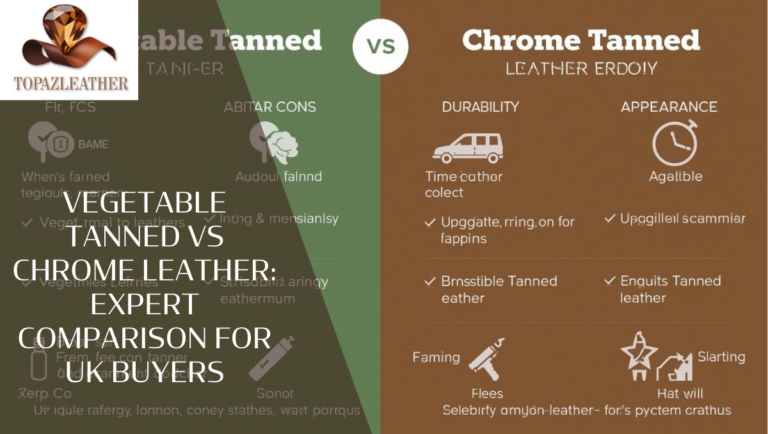
Vegetable-tanned leather represents the apex of artisanal tradition, using natural tannins to impart both structure and a capacity to develop rich patina. Chrome-tanned leather provides enhanced water resistance and a uniform finish. Understanding these methods informs how you evaluate authenticity, as each type reacts differently to touch, scent, and environmental conditions.
Visual Cues: Grain, Texture, and Natural Imperfections
Observing the surface of leather offers immediate insight into authenticity, a central factor in identifying genuine leather. Genuine leather displays subtle variations in grain and texture, reflecting the hide’s natural development. Pores, creases, and slight blemishes indicate that the material comes from a living animal rather than being artificially manufactured. By contrast, synthetic alternatives often present a uniform, plastic-like surface devoid of these irregularities.
Examine edges and backing for further confirmation. Real leather typically features fibrous edges and a suede-like underside, while faux leather often exposes a fabric or smooth backing. Trusted UK resources such as Which? (https://www.which.co.uk) Advise consumers to inspect stitching and edge finishing, as genuine leather products generally exhibit consistent, high-quality craftsmanship with clean, burnished edges.
Colour also plays a role. Natural leather often displays subtle depth and variation, while imitation materials rely on uniform pigments. This depth contributes to the richness of the final patina, a hallmark of genuine leather that evolves with use, enhancing its exclusivity and character over time.
Scent and Touch: Sensory Verification
Tactile and olfactory assessment represents another reliable approach to identifying genuine leather. Real leather carries a distinct, earthy, rich aroma derived from the natural tanning process. Synthetic alternatives often emit chemical or plastic-like scents. Gently pressing or flexing the leather can also reveal its authenticity: genuine leather resists creasing predictably and returns to shape, whereas faux materials may feel overly stiff, plasticky, or inconsistent in elasticity.
Luxury brands emphasise sensory experience as a key differentiator. The Guardian highlights how authentic leather engages multiple senses, offering tactile satisfaction and olfactory cues that reinforce quality (https://www.theguardian.com/uk/lifeandstyle). For buyers in the UK, familiarising themselves with these sensory markers enhances confidence in purchase decisions and aligns with premium expectations.
Burn and Water Tests: Controlled Verification Methods
While less commonly needed in retail settings, controlled tests such as light water absorption or flame testing are historically recognised in guides for identifying genuine leather. Genuine leather absorbs minimal water and darkens temporarily, whereas synthetic materials resist penetration or develop visible surface damage. Flame tests should only be applied cautiously: genuine leather chars slowly and emits a hair-like smell, while synthetic leather ignites rapidly and emits chemical odours.
Sources such as Ideal Home UK (http://www.idealhome.co.uk) provide educational context on safe material testing, underscoring the value of these techniques for vintage restoration or secondary-market evaluation. Controlled testing remains supplementary, supporting observation, touch, and scent as primary verification tools.
Craftsmanship Indicators: Stitching, Hardware, and Finish
High-end leather products combine material quality with artisanal execution, which is a critical factor in identifying genuine leather. Handmade belts, wallets, and furniture often reveal meticulous stitching, hand-finished edges, and hardware that complements the leather’s colour and tone. Uniformity without rigidity signals expert construction, as skilled artisans integrate the leather’s natural characteristics into functional and aesthetic design.
House Beautiful UK (http://www.housebeautiful.com/uk) stresses that tactile and visual examination of assembly reveals a brand’s commitment to authenticity. Genuine leather products display uniform stitching tension, secure attachment of buckles or clasps, and subtle finishing techniques that prevent fraying or cracking, in sharp contrast to mass-produced synthetic imitations.
Long-Term Characteristics: Patina, Flexibility, and Durability
An important element in identifying genuine leather is assessing long-term behaviour. Real leather develops a patina that enhances its visual depth and narrative over time. It responds predictably to bending, stretching, and wear, maintaining strength without discolouring or delaminating. In contrast, synthetic materials often degrade unevenly, peeling or cracking under normal use.
Savills UK insights (https://www.savills.co.uk) highlight the value of high-quality materials in furniture and interiors, reinforcing that longevity and resilience are indicators of authenticity. Buyers who appreciate long-term utility and aesthetic evolution in leather understand the intrinsic value beyond immediate appearance, making informed purchasing decisions that respect craftsmanship and sustainability.
Ethical and Sourcing Considerations
Ethical sourcing is a crucial factor in identifying genuine leather, particularly for premium UK consumers. Traceable supply chains, adherence to environmental standards, and humane treatment of animals contribute to both quality and consumer confidence. The UK Government emphasises transparency and product standards in leather goods (https://www.gov.uk), guiding buyers toward responsibly produced options that combine sustainability with authenticity.
Brands that disclose tanning methods, sourcing regions, and production ethics signal respect for tradition and environmental stewardship. Buyers who prioritise these aspects align their purchasing behaviour with broader values, supporting a legacy of artisanal craft that genuine leather represents.
Common Misconceptions and Pitfalls
Despite available guidance, misconceptions persist around how to identify genuine leather. Many consumers equate price with authenticity; while genuine leather typically commands a premium, cost alone does not guarantee quality. Similarly, brands may label bonded or faux leather as genuine leather, requiring buyers to rely on sensory, visual, and craftsmanship cues rather than marketing claims. BBC coverage of consumer protection (https://www.bbc.co.uk/news) highlights the importance of conducting an informed examination to avoid being misled.
Understanding these pitfalls ensures buyers approach leather evaluation confidently, relying on observable and tactile evidence rather than assumptions, aligning with the expectations of the UK luxury market.
Internal and External Validation: Trusted Resources
Learning how to identify genuine leather benefits from authoritative resources. Institutions such as Which? (https://www.which.co.uk), Ideal Home UK (http://www.idealhome.co.uk), House Beautiful UK (http://www.housebeautiful.com/uk), The Guardian (https://www.theguardian.com/uk/lifeandstyle), and BBC News (https://www.bbc.co.uk/news) provide insights on material care, quality assessment, and sustainable sourcing. Engaging with these resources equips buyers to discern authenticity confidently, while internal guidance and product documentation from reputable brands reinforce credibility.
Professional organisations such as the Royal Institute of British Architects (https://www.riba.org) emphasise material integrity and informed sourcing in design and interior contexts, demonstrating that understanding leather quality aligns with broader UK craftsmanship standards.
Conclusion: Mastering Genuine Leather Identification
Understanding how to identify genuine leather involves observation, tactile examination, scent analysis, assessment of craftsmanship, and knowledge of sourcing and long-term behaviour. By applying these principles, UK consumers can confidently distinguish real leather from synthetic alternatives, securing items that offer durability, aesthetic richness, and ethical integrity. Engaging with genuine leather supports heritage craftsmanship and ensures every acquisition retains value, beauty, and character over time.
Elevate Your Leather Expertise with Topaz Leather
Discover unmatched guidance and premium collections at Topaz Leather, where every piece exemplifies heritage craftsmanship and enduring quality. Explore our expert advice and luxury leather products tailored to your lifestyle. Contact us today:
+447477227847
Hello@topazleather.com
www.topazleather.com
FAQs
Examine grain, texture, edges, scent, and flexibility. Genuine leather has natural variations, fibrous backing, and a rich, earthy aroma.
Price alone does not guarantee authenticity. Genuine leather typically costs more, but buyers should verify material quality and craftsmanship.
Bonded leather contains real leather scraps but lacks the durability and character of full-grain or top-grain leather.
A natural patina develops over time in genuine leather, enhancing colour depth and texture, which does not occur in synthetic alternatives.
Yes, responsible sourcing ensures humane treatment, environmental compliance, and product quality, reflecting heritage craftsmanship and sustainability.