The meaning of vegetable-tanned leather reflects centuries of craftsmanship, heritage, and mastery of natural materials. Luxury leather artisans across Europe and the United Kingdom continue to favour vegetable tanning because it produces leather with remarkable durability, rich character, and environmental integrity. When skilled artisans transform raw hides into refined leather through natural tannins extracted from tree bark and plant materials, the result embodies both tradition and timeless elegance.
Understanding the meaning of vegetable-tanned leather allows buyers to recognise why premium leather goods command respect in the luxury market. High-quality leather bags, wallets, belts, and accessories often use vegetable tanning because it preserves the hide’s natural structure. This preservation allows leather to age beautifully while developing a distinctive patina that reflects years of personal use.
Understanding the True Vegetable Tanned Leather Meaning
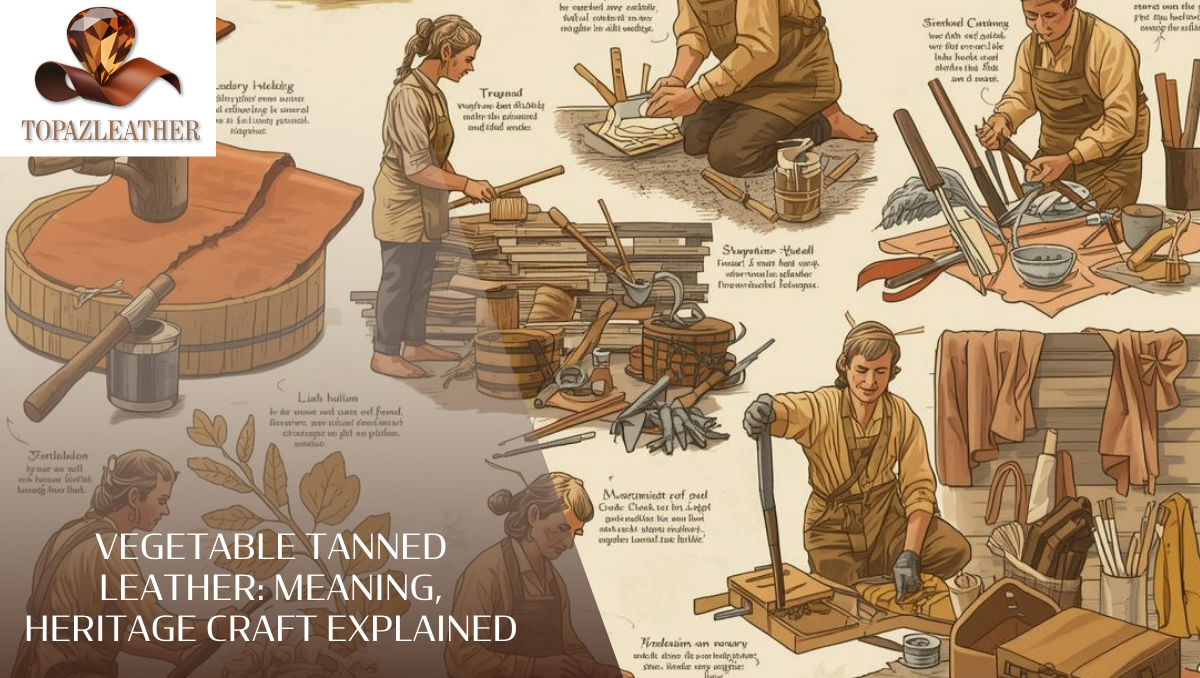
The meaning of vegetable-tanned leather centres on a natural tanning method that artisans have refined for centuries. Traditional tanneries immerse animal hides in solutions made from plant-based tannins derived from bark, wood, leaves, and fruits. These organic compounds interact with the collagen fibres within the hide, transforming raw skin into durable leather without relying on synthetic chemicals.
This process requires patience and expertise. Skilled tanners carefully monitor each stage of tanning to ensure the fibres absorb the tannins evenly. The transformation can take several weeks or even months, depending on the hide’s thickness and the intended leather product.
Design authorities consistently highlight the importance of authentic materials in high-quality craftsmanship. The Royal Institute of British Architects emphasises the value of durable and natural materials within long-lasting design traditions at http://www.architecture.com. Vegetable tanning follows this same philosophy by prioritising natural processes that support longevity and sustainability.
Traditional Tanning Methods That Shape Luxury Leather
The meaning of vegetable-tanned leather becomes clearer when examining the heritage techniques that define the tanning process. Tanners begin by cleaning and preparing the hides before submerging them in gradually stronger tannin baths. Each stage strengthens the fibres while maintaining the material’s natural flexibility.
Plant-Based Tannins and Natural Chemistry
Tree bark from chestnut, oak, and mimosa trees provides the tannins that power the vegetable tanning process. These botanical extracts bind to collagen fibres within the hide, creating strong, resilient leather.
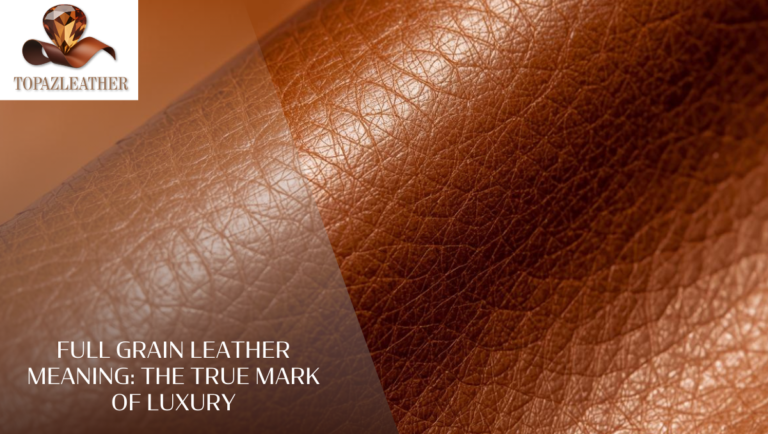
The tanning method produces leather that retains natural grain patterns and subtle surface variations. These characteristics distinguish vegetable-tanned leather from heavily processed alternatives that often conceal the hide’s original texture.
Consumer guidance platforms such as Which frequently encourage buyers to prioritise authentic materials when investing in long-lasting products (http://www.which.co.uk). Vegetable-tanned leather aligns perfectly with this advice because it preserves the natural qualities that define premium leather.
The Slow Craft of Traditional Tanneries
The extended production time plays a crucial role in the meaning of vegetable-tanned leather. Vegetable tanning requires patience because tannins must gradually penetrate the hide. Skilled artisans control every stage of the process to ensure consistent fibre strength and flexibility.
Many modern industrial tanning methods prioritise speed over quality. Vegetable tanning, however, celebrates slow craftsmanship and careful material stewardship. This philosophy resonates strongly with luxury consumers who value authenticity and heritage.
Why Vegetable Tanned Leather Defines Premium Craftsmanship
Luxury leather goods rely on exceptional materials and skilled craftsmanship—the vegetable-tanned leather, therefore, directly aligns with quality standards that define premium leather accessories.
Vegetable-tanned leather offers superior durability because the natural tanning process strengthens the hide’s internal structure. The material remains firm yet flexible, allowing artisans to shape it into structured bags, wallets, and belts that maintain their shape over time.
Economic and consumer reporting from the BBC often explores the rising demand for durable products that resist disposable culture. Coverage of craftsmanship and long-lasting goods appears frequently within BBC Business reporting at http://www.bbc.co.uk. Vegetable-tanned leather embodies this movement toward quality and longevity.
The Patina That Defines Authentic Leather
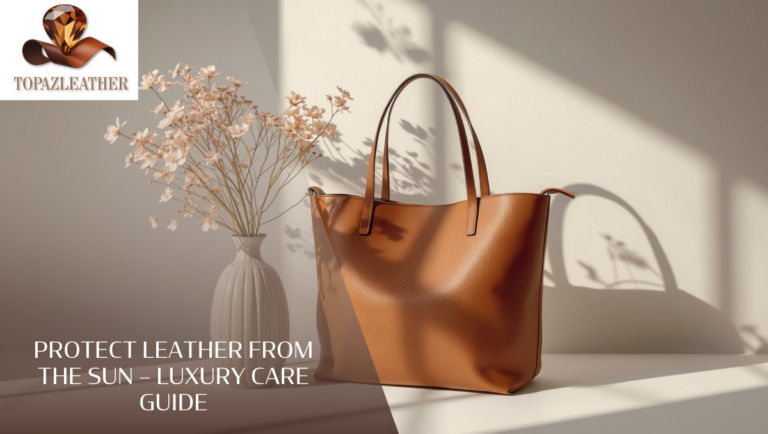
A defining feature of vegetable-tanned leather is the development of patina. As vegetable-tanned leather interacts with sunlight, natural oils, and daily handling, the surface gradually deepens in colour and character.
This ageing process creates a unique visual story for every leather product—no two pieces of vegetable-tanned leather age in the same way. The leather becomes more attractive over time, which explains why collectors and luxury buyers prize vegetable-tanned products.
Strength and Longevity in Handmade Leather Goods
Vegetable-tanned leather offers exceptional strength. The natural fibres remain intact throughout the tanning process, which allows the leather to resist stretching and cracking when owners care for it properly.
Luxury leather brands value this resilience because it supports products designed for decades of use. Handcrafted leather bags, wallets, and belts benefit from vegetable tanning because the material maintains structural integrity under daily wear and tear.
Environmental Benefits Behind Vegetable Tanning
Sustainability forms another important aspect of the meaning of vegetable-tanned leather. Vegetable tanning relies on plant-derived tannins rather than heavy chemical compounds. This approach reduces environmental impact and supports more responsible production practices.
Government sustainability initiatives increasingly highlight the importance of environmentally responsible manufacturing. Information on sustainable business practices appears frequently across government guidance resources at http://www.gov.uk. Vegetable tanning aligns with these principles by reducing chemical dependency and supporting natural production cycles.
Responsible Craftsmanship and Ethical Production
Ethical production continues to influence purchasing decisions among luxury consumers. Vegetable tanning supports responsible craftsmanship by prioritising natural ingredients and traditional techniques.
Property and lifestyle research from Savills often highlights the growing demand for sustainable luxury materials across the UK market at http://www.savills.co.uk. Consumers increasingly value products that combine craftsmanship with environmental awareness.
Vegetable-tanned leather reflects these values by offering a material that ages gracefully while respecting natural resources.
How Vegetable Tanned Leather Supports Timeless Design
The meaning of vegetable-tanned leather extends beyond material science into the realm of timeless design. Vegetable-tanned leather allows artisans to craft products that retain structure and elegance for decades.
Luxury design publications frequently highlight the enduring appeal of natural materials within contemporary interiors and lifestyle products. House Beautiful explores the influence of natural textures and authentic materials in modern British design at http://www.housebeautiful.com/uk.
Leather goods crafted from vegetable-tanned hides, therefore, align perfectly with this aesthetic philosophy. The material develops deeper colour, smoother texture, and richer character as it ages.
Owners of vegetable-tanned leather goods often develop a personal connection with their accessories. Each mark, shade variation, and subtle crease reflects the owner’s journey and the life of the product.
Vegetable Tanned Leather in Luxury British Craftsmanship
British leather craftsmanship maintains a long tradition of using premium materials and time-honoured techniques. The veget vegetable-tanned leather, therefore, resonates strongly with heritage brands that value authenticity and durability.
Artisans at Topaz Leather rely on premium hides and meticulous craftsmanship to produce refined leather accessories. Vegetable-tanned leather embodies this philosophy, offering unmatched structural integrity and aesthetic depth.
Travel and lifestyle reporting from The Guardian frequently highlights the cultural appreciation for heritage craftsmanship within modern British markets at http://www.theguardian.com/uk. Consumers increasingly seek products that combine authenticity with contemporary design sensibilities.
Vegetable-tanned leather embodies this balance between tradition and modern elegance.
The Future of Vegetable Tanned Leather
Luxury markets continue to evolve, yet the enduring qualities remain deeply relevant in modern craftsmanship. Consumers increasingly prioritise durability, sustainability, and authenticity when selecting premium goods.
Vegetable tanning answers all three demands through a process that honours heritage techniques while supporting environmentally responsible production. The material offers remarkable longevity and distinctive beauty that synthetic materials rarely match.
Luxury leather brands that embrace vegetable tanning, therefore position themselves at the forefront of responsible craftsmanship and timeless design.
Discover Authentic Handmade Leather Craftsmanship
Understanding the meaning of vegetable-tanned leather reveals why luxury leather goods achieve their enduring reputation. Natural tanning processes, skilled craftsmanship, and premium materials combine to produce accessories that last for generations.
Topaz Leather celebrates these principles through handmade leather products crafted from exceptional materials and traditional techniques. Each product reflects heritage craftsmanship, refined British design, and long-lasting quality.
For bespoke leather accessories or expert guidance on premium leather craftsmanship, connect with Topaz Leather today.
+447477227847
Hello@topazleather.com
www.topazleather.com
FAQs
Vegetable-tanned leather is produced using natural plant-based tannins rather than synthetic chemicals.
Luxury brands value vegetable-tanned leather for its durability, natural beauty, and ability to develop a rich patina over time.
Vegetable-tanned leather often lasts longer when owners maintain it properly, as the tanning process strengthens the natural fibres.
Vegetable tanning uses natural plant extracts and supports more environmentally responsible leather production compared with chemical-heavy alternatives.
Vegetable-tanned leather reacts naturally to sunlight, oils, and daily handling, gradually deepening its colour and creating a unique patina.