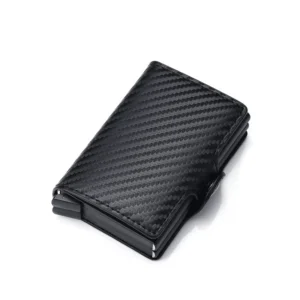
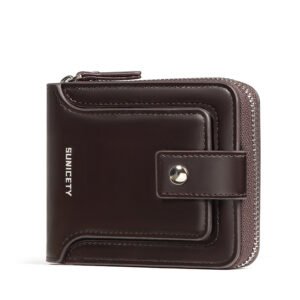
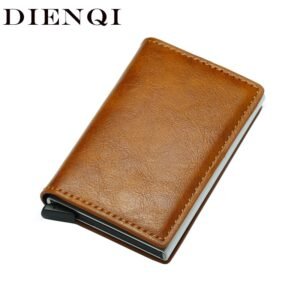
Handmade leather stands apart in the world of luxury because it combines strength, beauty, and emotional permanence. When British buyers search for answers about the lifespan of leather products, they want clarity, not marketing noise. They want to understand how long a handmade leather wallet, belt, bag, or accessory truly lasts in real life. At Topaz Leather, we design every product with longevity at its core. We treat leather not as a seasonal material but as a living surface that grows richer, stronger, and more personal through daily use.
Modern consumers no longer accept disposable fashion. They invest in pieces that accompany their lifestyle for years to come. The growing interest in the lifespan reflects that shift toward intelligent luxury. Leather delivers strength through natural fibres, resilience through tanning science, and character through patina. British heritage supports that philosophy, as institutions such as the British Fashion Council (https://www.britishfashioncouncil.co.uk) continue to promote craftsmanship and longevity over trend cycles.
Understanding Leather as a Living Material
Leather behaves differently from synthetic fabrics. Natural hides contain interwoven collagen fibres that flex, recover, and strengthen with use. That biological structure explains why the lifespan often exceeds most textile alternatives by decades. Where plastics crack and fabrics tear, leather adapts.
Full-grain leather, which Topaz Leather prioritises, preserves the hide’s strongest outer layer. This surface retains natural grain and breathability, which improves durability. Industry authorities, such as the Leather Working Group at https://www.leatherworkinggroup.com, confirm that proper tanning and finishing allow leather to age rather than deteriorate.
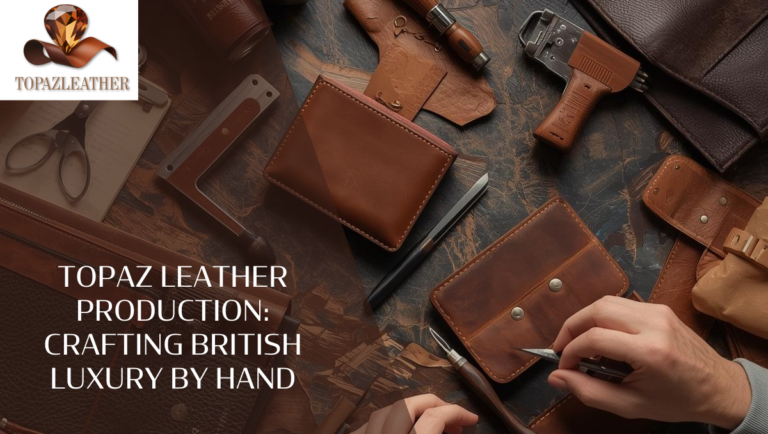
Handmade construction adds another layer of endurance. Artisans cut along grain direction, reinforce stress points, and stitch with tension control. These processes protect the structure during daily motion, friction, and weight. When buyers evaluate the lifespan of a leather product, they must consider both material quality and craftsmanship.
How Long Do Handmade Leather Products Really Last
In real-world conditions, premium handmade leather often lasts between ten and thirty years, and in many cases even longer. That reality drives growing interest in the lifespan of leather products across the UK luxury market.
Wallets experience constant pocket friction, card pressure, and handling. A handmade wallet crafted from full-grain leather can last for fifteen years, developing an elegant patina rather than damage. Belts face tension, movement, and bending. A properly stitched leather belt can serve for twenty years without stretching or cracking. Bags endure weight, travel, and weather. High-quality leather bags often outlive fashion trends and remain functional for decades.
Research published in fashion trade media, such as Drapers (https://www.drapersonline.com), shows that consumers now value longevity as a core luxury metric. That mindset aligns perfectly with the natural performance of handmade leather.
Craftsmanship as the Foundation of Longevity
Craftsmanship determines whether leather survives years or merely seasons. When buyers ask about the lifespan of leather products, they often underestimate the role of stitching, edge finishing, and structural design.
Topaz Leather artisans hand-cut panels to maintain fibre integrity. They burnish the edges to prevent moisture from penetrating. They stitch with reinforced thread tension that distributes stress instead of concentrating it. These details slow ageing and protect from it.
British craftsmanship culture thrives through organisations like the Crafts Council at https://www.craftscouncil.org.uk, which celebrates handmade disciplines across the UK. That same philosophy defines how leather should perform. Mass production chases volume. Craftsmanship builds endurance.
A machine can assemble leather quickly, but only an artisan understands where leather bends, stretches, and absorbs impact over years of use. That knowledge directly affects the lifespan of leather products in everyday life.
The Role of Leather Type in Product Longevity
Not all leather ages equally. The type of hide significantly influences the lifespan of leather products. Full-grain leather preserves the natural surface, allowing fibres to breathe and flex. Top-grain leather removes imperfections but sacrifices some strength. Corrected leather hides flaws with coatings that eventually crack.
Topaz Leather selects full-grain hides because they improve over time rather than degrade. Natural oils migrate through fibres, creating patina and resistance to dryness. Sustainability and sourcing also influence performance, as evidenced by initiatives such as the UK Leather Federation (https://www.ukleather.org), which promotes quality standards across British leather production.
Vegetable tanning further extends durability by stabilising fibres naturally instead of sealing them with plastic films. That tanning process allows leather to respond to environmental changes rather than fight them. Buyers concerned about the lifespan of leather products should always prioritise full-grain, responsibly tanned leather.
Environmental Influence on Leather Ageing
Leather interacts with its environment continuously—temperature, humidity, sunlight, and handling all shape lthelifespan of leather products. Unlike synthetics, leather does not remain static. It adapts.
The British climate provides balanced humidity that benefits leather when products are stored correctly. Excess heat dries fibres. Direct sunlight fades colour. Water saturation weakens the structure. Knowledge from consumer bodies such as Which? At https://www.which.co.uk, it reinforces the importance of proper care in extending the performance of long-term goods.
Topaz Leather designs finishes that protect against daily exposure without sealing the hide completely. Breathable surfaces allow leather to release moisture and maintain elasticity. Environmental awareness will enable owners to maximise leather longevity naturally rather than chemically.
Daily Use and the Science of Patina
Patina defines luxury leather ageing. When people explore the lifespan of leather products, they often confuse ageing with damage. In truth, patina represents controlled transformation. Oils from hands, light exposure, and friction gradually darken and soften leather, creating individuality.
High-quality leather develops surface character without structural breakdown. Fibres compress rather than crack. Colour deepens rather than flakes. That behaviour explains why vintage leather often looks more attractive than new leather.
Luxury lifestyle publications such as British Vogue (https://www.vogue.co.uk) celebrate patina as a hallmark of authentic craftsmanship. Topaz Leather designs surfaces that encourage elegant ageing instead of artificial preservation. That approach supports longevity while enhancing emotional value.
Sustainability and Long-Term Leather Performance
Modern buyers link sustainability directly to the lifespan of leather products. Products that last reduce waste, carbon output, and replacement cycles. Handmade leather supports sustainability because longevity eliminates frequent disposal.
Ethical sourcing frameworks, such as the Ethical Trading Initiative (https://www.ethicaltrade.org), promote responsible labour and material supply chains across UK retail. Topaz Leather aligns craftsmanship with sustainability by producing fewer, better, and longer-lasting accessories.
Sustainable leather also avoids heavy chemical coatings that can shorten its lifespan. Natural finishes allow fibre movement and prevent brittleness. That choice supports decades of use rather than short-term appearance.
Why Handmade Leather Outlasts Mass Production
Mass-produced leather focuses on speed and cost. Handmade leather focuses on performance and emotion. That contrast defined differences in the lifespan of leather products across the market.
Factories split hides to make them thinner, increasing yield. Artisans preserve thickness for strength. Factories rely on glue. Artisans rely on stitching. Factories seal surfaces. CArtisansnourish fibres. These decisions shape whether leather survives years or merely months.
British consumers increasingly recognise that value equals endurance, not novelty. Research trends shared by UK retail analysts at https://www.gov.uk/government/collections/consumer-protection-law reinforce how long-lasting products protect buyers financially and emotionally. Handmade leather supports that philosophy perfectly.
Repairability and Extended Leather Life
Another advantage of leather products is their repairability. Leather welcomes restoration. Stitching can be renewed. Edges can be reburnished. Surfaces can be conditioned.
Unlike synthetics that fail catastrophically, leather fails gradually and predictably. That behaviour allows maintenance instead of replacement. Luxury leather owners often pass down their products to the next generation because the structure remains intact long after cosmetic wear appears.
Topaz Leather designs components that accept repair gracefully. Reinforced seams, thick hides, and modular parts extend functional life far beyond standard retail expectations. Longevity becomes a cultural inheritance rather than a product’s expiry.
The Investment Value of Long Leather Lifespan
Buyers who research the lifespan of leather products rarely focus on price alone. They calculate the annual cost of ownership. A wallet that lasts twenty years offers more value than five wallets that last two years each.
Luxury leather, therefore, becomes financial intelligence. It saves money over time while delivering aesthetic and emotional rewards. British luxury culture increasingly embraces that mindset as sustainable investment replaces impulse consumption.
Topaz Leather creates accessories that perform across decades of professional, social, and travel use. That consistency transforms leather from fashion into personal infrastructure.
Topaz Leather Philosophy on Longevity
Topaz Leather builds every product around endurance. We source premium full-grain hides. We apply artisan cutting and stitching. We finish edges manually. We testthe structure through real-world stress simulation.
When clients ask about the lifespan of leather products, we answer with confidence because we design for time, not trends. Our leather wallets, belts, bags, and accessories carry purpose through years of daily use.
British luxury thrives when material intelligence meets emotional relevance. Topaz Leather occupies that space by merging heritage craftsmanship with modern performance expectations.
Realistic Expectations for Leather Owners
Longevity thrives through a partnership between maker and owner. While Topaz Leather has been in operation for decades, its owners extend the lifespan of leather products through intelligent handling. Regular conditioning, mindful storage, and respectful use allow leather to express its full potential.
Leather rewards attention by responding positively to care. It strengthens where owners touch it most. It softens where movement occurs. That interaction transforms accessories into personal narratives rather than static objects.
The more owners engage, the longer leather serves. That relationship defines the beauty of handmade leather in British luxury culture.
Final Thoughts on Leather Longevity
Handmade leather lasts because nature engineered it for resilience and artisans refined it for elegance. The rising interest in leather product lifespan reflects modern buyers who value permanence over performance theatre.
Leather grows stronger through use, richer through age, and more personal through time. It supports sustainability, emotional investment, and financial intelligence simultaneously.
Topaz Leather crafts not for seasons but for stories. Every wallet, belt, and accessory enters a life cycle measured in decades, not months.
Invest in Lasting Craftsmanship with Topaz Leather
Choose leather that stands the test of time. Topaz Leather creates premium handmade accessories engineered for durability, elegance, and long-term performance. When you invest in Topaz Leather, you invest in craftsmanship that evolves with your lifestyle and strengthens with every year of use.
Contact Topaz Leather today and experience true leather longevity.
+447477227847
Hello@topazleather.com
www.topazleather.com
FAQs
High-quality handmade leather often lasts between ten and thirty years, and sometimes longer with proper use and care.
Full-grain leather preserves natural fibres, significantly improving durability, flexibility, and long-term performance.
Leather can be restored through re-stitching, conditioning, and refinishing, which dramatically extend its functional life.
Daily use strengthens leather through controlled compression and patina when owners handle products properly.
Topaz Leather designs accessories for endurance, sustainability, and emotional value, ensuring customers enjoy decades of reliable performance.