Understanding why handmade leather is expensive
Many discerning buyers ask why handmade leather is expensive when they compare handcrafted leather goods with mass-produced accessories. The answer lies in craftsmanship, premium materials, and the time required to create products that last decades rather than seasons.
Handmade leather represents one of the oldest forms of craftsmanship. Skilled artisans transform raw hides into elegant accessories through patient, precise techniques. Each stage requires focus, expertise, and time. These factors naturally increase production costs but also create products that deliver exceptional durability and timeless style.
Luxury consumers across the United Kingdom increasingly appreciate this heritage of craftsmanship. Editorial insights from The Guardian http://www.theguardian.com/uk often highlight the growing appreciation for artisanal products that celebrate traditional skills and authentic materials.
Buyers who explore why handmade leather is expensive quickly recognise that the higher cost reflects craftsmanship, longevity, and authenticity rather than unnecessary luxury pricing.
Craftsmanship Expertise Explains Why Handmade Leather Is Expensive
Craftsmanship is the primary reason handmade leather is expensive. Artisans invest years mastering leatherworking techniques that transform natural hides into refined luxury accessories.
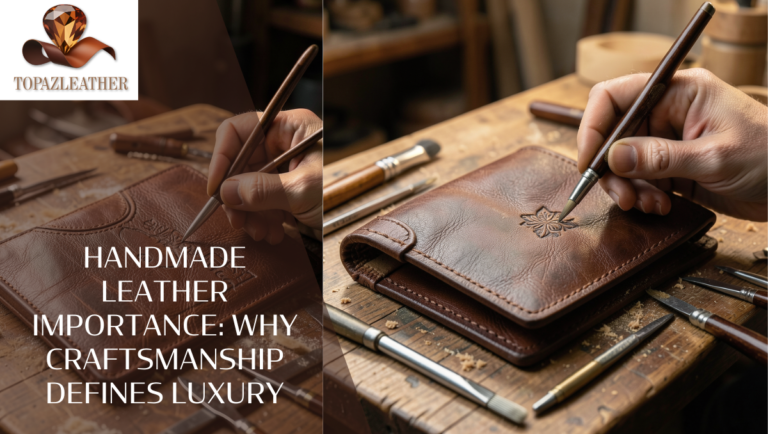
A handcrafted leather bag requires careful planning before the first cut occurs. Skilled artisans evaluate the leather hide, select the strongest sections, and map each component to preserve strength and symmetry. This process prevents weak areas from affecting the final product.
Artisans then cut leather pieces by hand to maintain structural integrity. Machine cutting in mass production prioritises speed rather than quality. Handmade production prioritises precision and material optimisation.
Hand stitching further explains why handmade leather is expensive. Traditional saddle stitching secures each stitch individually. This method creates seams that resist breakage even under years of stress.
Design institutions such as the Royal Institute of British Architects http://www.riba.org consistently emphasise craftsmanship as a defining element of premium design culture. The same philosophy shapes the world of luxury leather goods.
Premium Materials Reveal why handmade leather is expensive
Material selection is a major factor in the high cost of handmade leather. High-quality leather costs significantly more than synthetic materials or corrected leather alternatives.
Luxury leather artisans prefer full-grain leather because it preserves the hide’s natural fibre structure. This material offers exceptional strength and develops a distinctive patina over time. Owners often value this transformation because it gives each product a unique character.
Vegetable tanning further increases production costs but dramatically improves leather quality. This traditional tanning process relies on natural plant extracts instead of synthetic chemicals. The technique strengthens leather fibres while preserving flexibility and natural beauty.
Lifestyle and design coverage from the BBC (http://www.bbc.co.uk) frequently highlights heritage manufacturing processes that continue to influence modern luxury goods. Vegetable tanning stands among the most respected techniques in leather craftsmanship.
Buyers who understand why handmade leather is expensive often realise that premium materials alone justify a substantial portion of the price.
Time and Precision in Handcrafted Leather Production
Time plays a crucial role in explaining why handmade leather is expensive. Handmade leather goods require many hours of careful labour. Artisans complete each stage with precision to ensure exceptional quality.
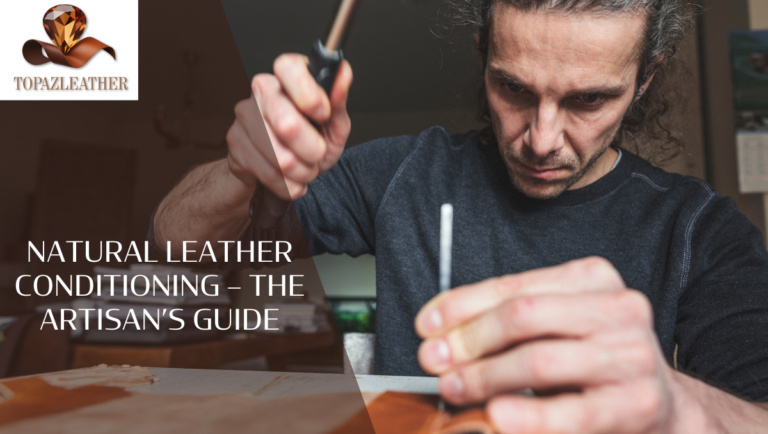
Cutting leather panels requires attention to grain direction and fibre strength. Artisans then prepare edges, punch stitching holes, and assemble each component manually. The process demands patience and concentration.
Machine-produced accessories prioritise speed and volume. Factories produce thousands of units daily. Handcrafted leather workshops prioritise quality instead of output volume.
Interior and lifestyle publications such as Ideal Home UK (http://www.idealhome.co.uk) often highlight the differences between artisanal products and industrial goods. Handmade items require time because skilled makers prioritise craftsmanship over speed.
Time, therefore, remains one of the most compelling reasons why handmade leather is expensive.
Durability and Longevity That Justify Cost
Longevity provides another powerful explanation for why handmade leather is expensive. Handcrafted leather goods often last decades with proper care.
Full-grain leather maintains structural strength thanks to its natural fibre composition. Skilled artisans reinforce seams and handles to prevent long-term wear damage.
A luxury leather bag, therefore, becomes an investment rather than a temporary accessory. Owners often use the same handcrafted bag for years while lower-quality alternatives require frequent replacement.
Consumer advocacy organisations such as Which? http://www.which.co.uk encourages buyers to prioritise durability when purchasing premium products. Handmade leather goods align perfectly with this philosophy because they deliver an exceptional lifespan.
Buyers who consider long-term value quickly understand why handmade leather is expensive.
Heritage Craft Traditions Behind Luxury Leather
Cultural heritage also explains why handmade leather is expensive. Leatherworking traditions stretch back centuries across Europe and the United Kingdom. Skilled artisans preserve these traditions through meticulous craftsmanship.
Modern leather artisans combine historic techniques with contemporary design refinement. This balance allows handmade leather goods to remain relevant while preserving traditional craftsmanship.
Luxury lifestyle publications such as House Beautiful UK http://www.housebeautiful.com/uk frequently celebrate heritage craftsmanship within modern design culture. Handmade leather products embody this connection between tradition and innovation.
Heritage craftsmanship adds cultural value to leather goods and strengthens the understanding of why handmade leather is expensive.
Ethical Production and Responsible Craftsmanship
Ethical production also contributes to the high price of handmade leather. Artisan workshops focus on responsible sourcing, small-batch production, and careful material use.
Small production volumes allow artisans to maintain strict quality control. Artisans inspect each product carefully before release. This process ensures that every item meets luxury standards.
Property and lifestyle research from Savills UK http://www.savills.co.uk frequently highlights consumer interest in ethical luxury products that combine quality with responsible production practices.
Ethical craftsmanship, therefore, strengthens the value proposition behind handmade leather goods and reinforces why handmade leather is expensive.
Why Luxury Buyers Value Handmade Leather
Luxury consumers increasingly appreciate authenticity when purchasing premium accessories. Many buyers research why handmade leather is expensive before investing in high-quality leather goods.
These buyers understand that handmade leather represents artistry, durability, and timeless design. They recognise the difference between industrial products and carefully crafted accessories created by skilled artisans.
Lifestyle resources from Rightmove http://www.rightmove.co.uk often highlight the growing interest in quality possessions that deliver long-term value rather than short-term trends.
Handmade leather goods, therefore, appeal to buyers who value heritage craftsmanship, sustainable ownership, and enduring style.
Discover Authentic Leather Craftsmanship with Topaz Leather
Understanding why handmade leather is expensive reveals the true value behind handcrafted leather goods. Premium materials, skilled craftsmanship, and decades of durability justify the investment in authentic leather accessories.
Topaz Leather crafts handmade leather bags from full-grain leather, using traditional techniques that celebrate craftsmanship and heritage. Each product reflects refined British design while offering exceptional longevity and character.
Explore luxury leather goods crafted for professionals, travellers, and individuals who appreciate authentic craftsmanship.
+447477227847
Hello@topazleather.com
http://www.topazleather.com
FAQs
Handmade leather products require skilled labour, premium materials, and significant production time. These factors increase cost but deliver superior durability and craftsmanship.
Yes. Skilled artisans use stronger stitching techniques and higher-quality leather, enabling handcrafted products to last for decades.
Full-grain leather increases cost because it offers exceptional durability, natural beauty, and long-term ageing qualities.
Yes. Artisans carefully craft each piece, improving structure, stitching strength, and overall durability.
Yes. Handmade leather products deliver longevity, timeless style, and craftsmanship that mass-produced accessories rarely achieve.