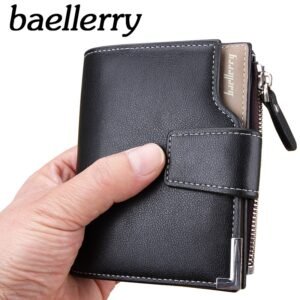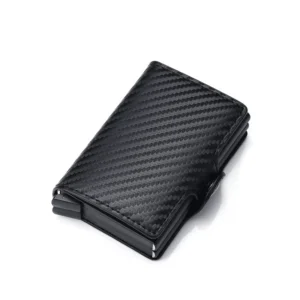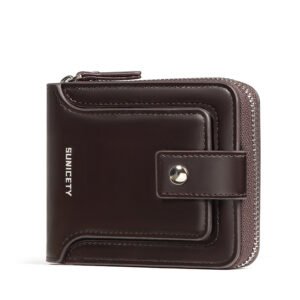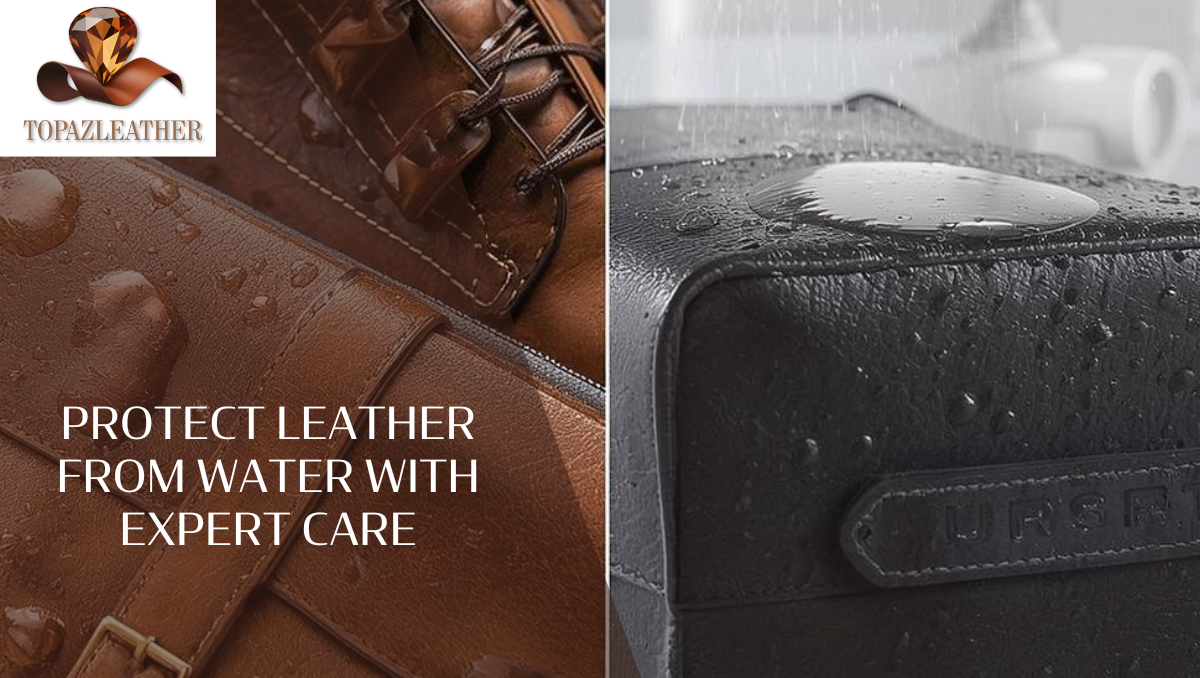
Protect leather from water with knowledge, discipline, and respect for craftsmanship. Leather represents heritage, skill, and enduring quality. When you invest in handmade leather goods, you invest in character and permanence. Moisture threatens that permanence. Rain, humidity, and accidental spills weaken fibres, distort structure, and diminish finish. You must understand how to protect leather from water if you value longevity, elegance, and true British craftsmanship.
At Topaz Leather, we honour traditional methods and the integrity of full-grain leather. We craft products that endure over time, yet every natural material requires proper care. British weather shifts quickly. Sudden showers sweep across London, coastal air carries moisture through Brighton, and winter damp settles heavily in the countryside. According to guidance on climate and weather patterns from the Met Office (https://www.metoffice.gov.uk), humidity levels fluctuate significantly across the UK throughout the year. These conditions require informed protection strategies. When you learn how to protect leather from water, you preserve not only the surface but also the internal strength of the hide.
Understanding Why Water Damages Leather
Leather absorbs moisture because it remains a natural material. Full-grain leather retains its fibrous structure, which gives strength and breathability. Water penetrates those fibres and disrupts natural oils. When oils shift, stiffness increases, and surface cracking follows. If you allow leather to dry unevenly, you invite warping and discolouration.
British homes often trap moisture during colder months. Guidance from https://www.gov.uk/government/publications/damp-and-mould-advice-for-renters-and-landlords explains how damp environments encourage material deterioration. Leather reacts in the same way. Excess humidity softens the structure and encourages mould growth. You must actively protect leather from water to prevent structural compromise.
Quality leather ages beautifully when moisture is managed correctly. Inferior bonded materials split and peel because manufacturers strip away the natural grain. Full-grain leather, however, develops patina when you nourish and shield it properly. You safeguard that development through intelligent waterproofing and conditioning.
Choose the Right Leather Before You Protect It
You cannot effectively protect leather from water without first choosing the correct leather grade. Full-grain leather offers superior resilience because it preserves the hide’s outermost layer. That layer provides natural density and durability. Top-grain leather offers refinement with light sanding, yet it still demands consistent care. Suede and nubuck require specialised protection because their open textures absorb moisture quickly.
At Topaz Leather, we select premium full-grain hides for longevity and strength. Ethical sourcing remains central to our process. Organisations such as https://www.leatherworkinggroup.com promote responsible environmental practices within the leather industry. Conscious production ensures that quality and sustainability coexist. When you invest in responsibly crafted leather, you deserve protection methods that honour that integrity.
Preparation: The First Step to Protect Leather from Water
Preparation determines effectiveness. Clean leather thoroughly before applying any waterproofing treatment. Dirt particles trap moisture and grind into the surface. Dust the surface with a gentle cloth. Apply a specialist leather cleaner designed for natural hides. Avoid household detergents, as harsh chemicals strip essential oils.
Allow the leather to dry naturally at room temperature. Never place leather near radiators or direct heat. Excessive heat accelerates fibre contraction. According to guidance from https://www.which.co.uk on protecting household materials, controlled drying prevents long-term structural damage. The same principle applies when you protect leather from water.
Once the surface is fully dry, inspect the stitching and edges. Moisture often penetrates through seams. Handcrafted stitching requires equal attention because the thread absorbs water more quickly than treated hide. Proper preparation ensures that protective treatments bond effectively.
Apply Waterproofing Products with Precision
You must apply waterproofing treatments carefully to thoroughly protect leather from water. Select a premium water-repellent spray formulated for full-grain leather. High-quality sprays create an invisible barrier that repels droplets without sealing pores. Leather must breathe to maintain flexibility.
Hold the spray at a moderate distance and apply an even coat. Avoid oversaturation. Allow the product to cure completely before exposure to moisture. Reapply protection every few months, especially during autumn and winter when rainfall increases across the UK. Reports from https://www.bbc.co.uk/weather frequently highlight extended periods of rainfall in many regions. Seasonal reapplication strengthens resilience.
For smooth leather accessories such as belts, wallets, and travel bags, conditioning remains equally important. Waterproofing protects externally, while conditioning restores internal oils. Use a premium leather conditioner to maintain suppleness. Massage the conditioner gently into the surface using circular motions. This process strengthens fibres and improves resistance.
Conditioning as a Defence Against Moisture
Conditioning plays a decisive role in protecting leather from water. Leather loses natural oils each time moisture penetrates the surface. Regular conditioning replaces those oils and prevents brittleness. Choose a product free from silicone or petroleum derivatives. Natural wax-based conditioners nourish fibres while maintaining breathability.
Apply conditioner sparingly and evenly. Let it absorb completely before using a fresh cloth to buff. This step enhances the sheen and reinforces the protective barrier. When you follow this disciplined routine, leather withstands British weather with confidence.
Luxury leather demands consistency. You cannot apply conditioner once and expect permanent results. Establish a seasonal care schedule—autumn preparation shields against rain. Spring maintenance restores vitality after winter exposure. Consistent attention helps protect leather from water without compromising its texture or appearance.
Immediate Action After Water Exposure
Even with preparation, accidents occur. You must act quickly if the leather becomes wet. Gently blot moisture with a clean, absorbent cloth. Do not rub aggressively. Rubbing spreads water deeper into fibres. Allow the leather to dry naturally in a ventilated space.
Reshape structured items, such as briefcases or handbags, while they are slightly damp. —stuffnteriors with acid-free paper to maintain form. Avoid newspapers because the ink may transfer. Once dry, apply conditioner to restore oils and flexibility.
According to consumer care advice from https://www.housebeautiful.com/uk, natural materials respond best to gentle restoration methods. When you follow calm, measured steps, you limit long-term damage. Swift, informed action helps you continue protecting leather from water effectively.
Storage and Environment Control
Storage influences durability as much as treatment. Store leather goods in breathable dust bags. Avoid plastic covers because trapped moisture encourages mould growth. Keep items in cool, dry spaces with stable airflow.
Humidity control plays a decisive role in preservation. Excess condensation damages interiors and surfaces. The Royal Institute of British Architects highlights the importance of proper ventilation in homes at https://www.architecture.com. Ventilated environments protect furnishings and materials alike. Apply the same principle to your leather storage strategy.
When you travel, avoid placing leather accessories directly on damp surfaces. Wipe items after exposure to rain. This habit strengthens long-term resilience and reinforces your effort to protect leather from water.
Craftsmanship and Long-Term Durability
Handmade leather products carry individuality. Skilled artisans cut, stitch, and finish each piece with precision. That craftsmanship deserves informed care. When you actively protect leather from water, you extend its lifespan and maintain aesthetic refinement.
Durability stems from synergy between quality materials and disciplined maintenance. You protect investment value through consistent care. Premium leather accessories reflect professionalism, taste, and confidence. They communicate permanence in a disposable world.
Topaz Leather embraces traditional British standards of quality. We craft with integrity, and we encourage owners to uphold that standard through proper maintenance. Water protection does not alter character; it preserves it. Patina develops through time, not neglect.
The Ethical Dimension of Leather Care
Responsible ownership reflects modern values. When you maintain leather properly, you reduce waste and extend product life cycles. Sustainability aligns with durability. Publications such as The Guardian (https://www.theguardian.com/uk) regularly discuss conscious consumption and environmental responsibility. Long-lasting products reduce landfill impact and encourage mindful purchasing decisions.
When you protect leather from water, you support a sustainable approach. You honour resources, craftsmanship, and ethical production standards. Care transforms ownership into stewardship.
British Luxury Demands Attention to Detail
Luxury never tolerates compromise. British style values understated refinement and reliability. Whether you carry a handcrafted briefcase through the City or wear a full-grain belt in the countryside, moisture protection ensures confidence in every environment.
Rain defines much of the British climate. You cannot control the weather, yet you control preparation. Intelligent care routines empower you to face unpredictable conditions without hesitation. Mastery of maintenance separates true luxury ownership from casual use.
To protect leather from water means to respect the material’s origin, the artisan’s skill, and your own standards. Protection enhances longevity. Longevity strengthens value. Value reinforces prestige.
Elevate Your Leather Care with Topaz Leather
True luxury lies in preservation as much as acquisition. At Topaz Leather, we craft premium handmade leather goods designed for enduring British elegance. Our full-grain leather accessories embody strength, character, and heritage craftsmanship. We encourage every owner to protect leather from water through disciplined care and informed maintenance.
For expert leather care guidance or to explore our handcrafted collection, contact us directly. Speak with our specialists and invest in pieces built to last generations.
Call us on +447477227847
Email Hello@topazleather.com
Visit www.topazleather.com
FAQs
Apply a premium water-repellent spray designed for full-grain leather and reapply seasonally. Condition regularly to maintain natural oils.
Avoid generic sprays. Choose products formulated specifically for leather to prevent fibre damage and discolouration.
High-quality treatments maintain natural texture and sheen while creating an invisible protective barrier.
Condition every three to six months, depending on exposure to rain and humidity levels.
Blot moisture immediately, reshape carefully, allow natural drying, then apply conditioner to restore flexibility.