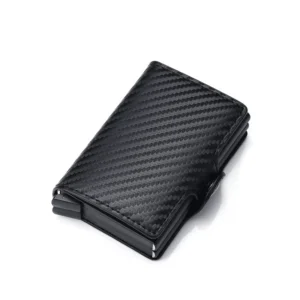
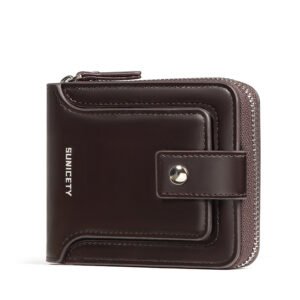
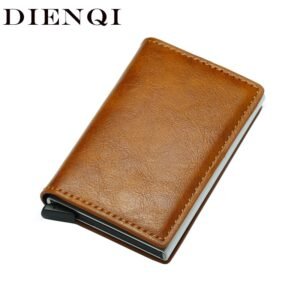
Leather symbolises heritage, craftsmanship, and enduring luxury. Owners of premium leather goods value their ability to age beautifully. However, poor maintenance and environmental stress can damage natural fibres, leading to visible deterioration. Learning how to prevent leather cracking protects the integrity of premium leather products and preserves their elegance for decades.
Quality leather products deserve careful attention because natural materials respond to their environment. Temperature, humidity, and daily use influence the condition of leather fibres. When owners understand how to prevent leather cracking, they maintain softness, strength, and refined texture. Luxury leather goods, therefore, reward consistent care with lasting beauty and performance.
Understanding Why Leather Cracks
Natural leather consists of tightly interwoven fibres that retain strength and flexibility when artisans treat the material correctly. When these fibres lose moisture and natural oils, the surface becomes rigid and brittle. This condition creates small fractures that gradually develop into visible cracks.
Learning how to prevent leather cracking begins with recognising its natural characteristics. Premium leather breathes and absorbs moisture from its surroundings. Environmental factors such as dry air, intense sunlight, and fluctuating temperatures accelerate fibre dehydration.
Design authorities frequently emphasise the value of natural materials in long-lasting products. The Royal Institute of British Architects highlights how durable materials support sustainable design practices within architecture and product design at http://www.architecture.com. Leather shares these principles because its longevity depends on proper care and environmental awareness.
The Role of Leather Quality in Durability
Material quality strongly influences the ability to prevent leather cracking. Full-grain leather offers the strongest fibre structure because it retains the hide’s natural surface. This structure resists damage and develops a rich patina through regular use.
Manufacturers who rely on synthetic materials or corrected leather often produce products that deteriorate more quickly. Premium leather goods maintain their integrity because skilled artisans respect the natural characteristics of the hide.
Consumer guidance from Which frequently encourages buyers to invest in high-quality materials that deliver long-term durability (http://www.which.co.uk)—genuine leather products, therefore, are preferable to artificial alternatives because natural fibres maintain flexibility and resilience.
Hydration and Conditioning for Leather Longevity
Hydration forms the foundation of every strategy to prevent leather cracking. Leather fibres require balanced moisture and natural oils to remain flexible. Without this nourishment, the material stiffens and begins to fracture under pressure.
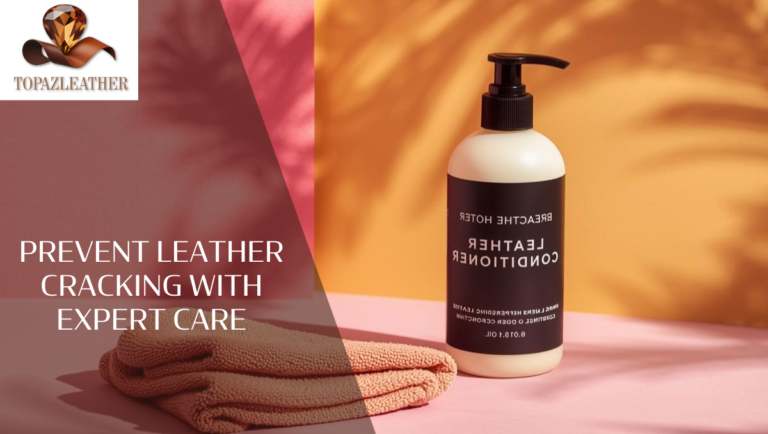
Leather conditioners restore oils that gradually diminish through everyday use. Quality conditioners penetrate the grain and nourish fibres from within. This process strengthens the leather’s structure while maintaining its softness and resilience.
Home care publications frequently explore how environmental conditions influence household materials. Ideal Home highlights how humidity and indoor climate affect natural surfaces and furnishings at http://www.idealhome.co.uk. The same principles apply to leather goods, which respond to their surroundings in similar ways.
Regular conditioning, therefore, plays a crucial role in efforts to prevent leather cracking. Owners who apply appropriate leather care products preserve the flexibility and elegance that define luxury leather accessories.
Protecting Leather from Environmental Damage
Environmental exposure often triggers the deterioration that leads to cracking. Strong sunlight, excessive dryness, and extreme temperature changes all weaken leather fibres. Owners who understand how to prevent leather cracking manage these conditions carefully.
Sunlight and Heat Exposure
Direct sunlight extracts moisture from leather surfaces, accelerating fibre dehydration. High temperatures also cause natural oils to evaporate, which leaves the material vulnerable to cracking.
Lifestyle experts frequently discuss the damaging effects of prolonged sunlight on household materials. House Beautiful explores these concerns within home care guidance at http://www.housebeautiful.com/uk. The same environmental stress affects leather goods exposed to intense sunlight.
Owners should therefore store leather products in shaded, temperate environments whenever possible. Protective storage maintains fibre strength and preserves colour consistency.
Balanced Humidity and Storage
Humidity levels also influence leather durability. Extremely dry environments remove moisture from fibres, leading to increased stiffness. Excessive humidity, however, encourages mould growth and structural damage.
Property and lifestyle research from Savills often highlights the importance of climate control for preserving valuable materials within homes at http://www.savills.co.uk. Leather accessories benefit from the same environmental balance.
Maintaining moderate humidity levels helps owners prevent leather cracking while preserving its natural flexibility.
Daily Handling and Responsible Use
Proper handling contributes significantly to efforts to prevent leather cracking. Leather products experience daily stress through bending, pressure, and movement. Gentle handling reduces strain on fibres and prevents structural fatigue.
Professionals who carry leather accessories should avoid overloading pockets or compartments. Excessive pressure stretches the leather and weakens the grain structure. Balanced use ensures the accessory retains its shape and strength.
Travel and lifestyle coverage from The Guardian frequently emphasises the importance of thoughtful packing and responsible material care for modern professionals at http://www.theguardian.com/uk. Leather goods benefit greatly from this philosophy of mindful use.
Owners who respect the natural limitations of leather allow the material to age gracefully rather than deteriorate prematurely.
Cleaning Techniques That Protect Leather Fibres
Cleaning plays an important role in maintaining leather integrity. Dirt particles and environmental residue gradually accumulate on leather surfaces. These contaminants disrupt the grain’s natural texture and contribute to fibre deterioration.
A soft cloth removes surface dust while preserving the leather’s natural finish. Gentle cleaning routines support broader efforts to prevent leather cracking by maintaining healthy fibres.
Economic and consumer reporting from BBC Business frequently highlights the importance of maintenance for preserving valuable consumer goods at http://www.bbc.co.uk. Luxury leather accessories represent long-term investments that reward consistent care.
Owners who clean leather products regularly preserve the smooth texture and visual richness that define premium craftsmanship.
The Importance of Craftsmanship in Leather Durability
Craftsmanship directly influences the ability to prevent leather cracking. Skilled artisans design leather goods with structural integrity and long-term resilience in mind. Hand stitching strengthens seams while precise cutting preserves grain alignment.
Topaz Leather artisans follow traditional leatherworking methods that respect the natural properties of premium hides. These techniques maintain fibre stability and ensure the finished product withstands years of daily use.
Craftsmanship, therefore, is a critical factor in leather longevity. When artisans combine premium materials with expert techniques, the resulting product resists cracking and deterioration far more effectively than mass-produced alternatives.
Ethical Leather Production and Long-Term Value
Responsible production practices also contribute to leather durability. Ethical tanning processes preserve fibre strength while reducing environmental impact. Skilled tanners carefully treat hides to enhance flexibility and longevity.
Economic analysis from BBC Business frequently highlights the growing importance of sustainability within manufacturing industries at http://www.bbc.co.uk. Consumers increasingly favour products that combine ethical production with long-term durability.
Learning how to prevent leather cracking, therefore, aligns with broader values of responsible consumption. High-quality leather goods reduce waste and provide decades of reliable use when owners care for them correctly.
Preserving the Elegance of Luxury Leather
Luxury leather goods represent a union of artistry, heritage, and durability. Owners who learn how to prevent leather cracking preserve the integrity of these materials and protect their investment in craftsmanship.
Balanced hydration, careful storage, responsible handling, and consistent cleaning all contribute to long-lasting leather performance. These practices ensure leather retains its natural softness and rich visual character.
Premium leather goods from skilled artisans reward attentive care with timeless elegance. When owners respect the natural properties of leather, the material evolves beautifully, reflecting the journey of its owner through subtle patina and refined texture.
Discover Premium Leather Craftsmanship
Luxury leather goods deserve expert care and exceptional craftsmanship. Topaz Leather designs handmade leather accessories that celebrate heritage techniques, premium materials, and refined British style.
If you value timeless leather craftsmanship and want guidance on preserving your leather goods, connect with Topaz Leather for expert advice and premium accessories.
+447477227847
Hello@topazleather.com
www.topazleather.com
FAQs
Regular conditioning, gentle cleaning, and proper storage maintain leather moisture and protect fibres from drying and cracking.
Loss of natural oils, exposure to sunlight, extreme temperatures, and lack of conditioning cause leather fibres to become brittle and crack.
High-quality full-grain leather rarely cracks when owners maintain it properly with conditioning and balanced environmental exposure.
Most leather goods benefit from conditioning every 3 to 6 months, depending on climate, usage, and exposure to environmental stress.
Minor cracks can improve with specialised leather repair products and conditioning, but prevention remains the most effective way to maintain leather integrity.