How to Remove Stains from Leather: A Comprehensive Guide
Leather is a luxurious and durable material, but it requires the right care to maintain its beauty and longevity. Stains on leather goods, whether from ink, grease, or water, can detract from their appearance and threaten the leather’s integrity. Knowing how to remove stains from leather effectively ensures that your items, such as handbags, jackets, and furniture, remain in pristine condition for years.
At Topaz Leather, we pride ourselves on creating premium handmade leather products that are built to last. Every piece is crafted from the finest full-grain leather, ensuring a long-lasting investment that only improves with age. To help you preserve the beauty of your leather goods, we have compiled expert tips and methods for stain removal, alongside guidance on maintaining leather’s natural elegance.
Understanding Leather and Its Sensitivity to Stains
Leather is a natural material that reacts sensitively to various substances, making it essential to know how to remove stains from leather for its upkeep. Leather’s porous surface absorbs moisture, oils, and other substances, so it’s important to act quickly when stains occur.
Full-grain leather, the highest quality used in premium products like those from Topaz Leather, ages beautifully but can be more susceptible to staining. However, with proper care, even high-end leather can recover from accidents and maintain its luxurious appearance. As Which.co.uk often highlights, the right care extends the lifespan of leather products, making it essential to use proper cleaning methods and high-quality materials to protect your investment.
How to Remove Common Stains from Leather
While each leather product is unique, some stains are more common than others. Understanding how to remove specific stains can make the cleaning process more efficient and restore your leather to its original glory.
Ink Stains
Ink stains are a common problem, especially on leather bags and clothing. When learning how to remove stains from leather, it’s crucial to act quickly. Dab the stain gently with a cloth soaked in rubbing alcohol or leather cleaner. Avoid scrubbing the stain, as this can damage the leather. Instead, blot gently and repeat as needed, using a soft cloth to avoid leaving fibres behind.
A guide on stain removal emphasizes testing any cleaning solution on a small, inconspicuous area before treating a visible stain. This ensures no discoloration or damage occurs.
Grease and Oil Stains
Grease and oil stains can be tricky to remove from leather, but they are not impossible to remove. Sprinkle a generous amount of talcum powder or cornstarch onto the stain. Allow it to sit for several hours to absorb the oil. Afterward, gently brush off the powder with a soft cloth. If the stain persists, use a specialised leather cleaner designed to lift oils and grease without damaging the material.
Water Stains
Water marks are a common concern for those who wear leather in the rain or who spill liquids. To remove water stains from leather, gently blot the affected area with a clean, dry cloth. Do not rub, as this may spread the stain. If the water stain persists, use a leather cleaner designed to treat such marks, then condition the leather to restore its moisture balance.
As recommended by Ideal Home UK, regularly conditioning leather can help prevent water damage by keeping it supple and less absorbent. A good leather conditioner helps maintain the material’s natural oils and prevents it from drying out.
Special Considerations for Different Types of Leather
When learning how to remove stains from leather, it’s important to consider the type of leather your product is made from, as different types require varying levels of care. Full-grain leather, while the highest quality, often requires gentler cleaning methods than other types, such as bonded or faux leather.
Suede Leather Care
Suede leather, known for its soft texture, requires careful attention when cleaning. To remove stains from suede, use a suede brush to lift them gently. For tougher stains, a suede eraser can be used to remove surface marks. Avoid using water on suede as it can cause the material to become stiff and discoloured.
Smooth Leather Care
Smooth leather is more durable and can generally withstand harsher cleaning methods than suede. However, it’s still essential to use the appropriate cleaner and conditioner. Always use a gentle leather cleaner to avoid stripping the leather’s natural oils.
Nubuck Leather Care
Nubuck, like suede, is a delicate material that can be damaged by water or harsh chemicals. For most stains, nubuck leather can be cleaned with a nubuck cleaning block, which is specifically designed to lift dirt without damaging the leather.
Preventing Stains on Leather: Proactive Care Tips
While knowing how to remove stains from leather is vital, prevention is just as important. By taking a few proactive steps, you can protect your leather items from the types of stains that often lead to permanent damage.
Leather Protection Spray
A high-quality leather protection spray is one of the best ways to prevent stains and keep your leather items looking pristine. These sprays create a protective barrier that repels moisture, dirt, and oils, making it harder for stains to set in.
Regular Conditioning
Conditioning your leather items helps maintain their suppleness and sheen, preventing them from becoming brittle and vulnerable to stains. Choose a conditioner that is appropriate for your leather type and use it regularly to preserve its texture and appearance.
Storage and Care
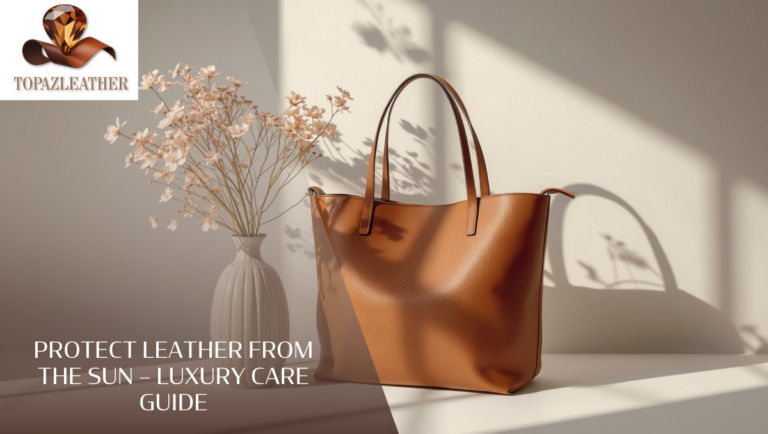
Proper storage is essential to keeping your leather items in top condition. When not in use, store your leather goods in a cool, dry place, away from direct sunlight, which can cause fading and drying. Use a dust bag for bags and a leather-friendly hanger for jackets and coats to ensure they retain their shape.
Choosing the Right Leather Care Products
Selecting the right leather care products is crucial for successfully removing stains and maintaining the overall condition of your leather items. Look for high-quality, natural-based products that are designed for specific leather types. Topaz Leather uses only the finest materials in its products, ensuring that our customers receive items that are not only aesthetically stunning but also easy to care for and maintain.
Products containing harsh chemicals can damage leather and strip it of its natural oils, leaving it dry and susceptible to further damage. Always choose conditioners and cleaners that are specifically formulated for premium leather, such as the products offered by our store.
Call to Action
For those who own luxury leather goods, maintaining their pristine condition is a top priority. At Topaz Leather, we craft each product with care, ensuring our leather goods last. Explore our full range of premium handmade leather products, and let us help you preserve your investment with our expert care tips.
Contact us today for more advice on leather care and to explore our exclusive collection of leather bags, jackets, and accessories.
+447477227847
Hello@topazleather.com
www.topazleather.com
FAQs
To remove ink stains from leather, gently dab the stain with rubbing alcohol or a leather cleaner. Avoid scrubbing, and test in an inconspicuous area first
No, water is not recommended for grease stains. Instead, apply talcum powder or cornstarch to absorb the oil, then gently brush it off.
To protect against water stains, use a leather protection spray and condition your leather regularly to maintain its natural moisture resistance.
Yes, but it requires special care. Use a suede brush or eraser to lift stains, and avoid using water on the material.
Condition your leather items every 2–3 months or more frequently if they are exposed to harsh conditions. Use a conditioner that is suitable for your leather type to maintain its suppleness.